If we could see our home galaxy the Milky Way as it was in the early universe, what would it have looked like? A new study said it would look similar to this galaxy, which astronomers have named Zhúlóng, or Torch Dragon. Image via NOIRLab/ NSF/ AURA/ NASA/ CSA/ ESA/ M. Xiao (University of Geneva)/ G. Brammer (Niels Bohr Institute)/ D. de Martin & M. Zamani (NSF NOIRLab).
What did our Milky Way look like in the early universe?
An international team of astronomers says it has spotted the most distant spiral galaxy yet known. They used the Webb space telescope to capture this galaxy as it existed just 1 billion years after the Big Bang. They said on April 16, 2025, that it might be a peek at what our own Milky Way galaxy looked like in the early universe.
Originally, astronomers thought spiral galaxies grew over billions of years from chaotic, irregular masses. But with more and more evidence mounting, it appears that galaxies like our Milky Way obtained their spiral structure much earlier than once thought.
The astronomers are calling this galaxy Zhúlóng, a name meaning Torch Dragon in Chinese mythology. As lead author Mengyuan Xiao of the University of Geneva explained:
In the myth, Zhúlóng is a powerful red solar dragon that creates day and night by opening and closing its eyes, symbolizing light and cosmic time.
The scientists published their peer-reviewed research in the journal Astronomy & Astrophysics on April 16, 2025.
The universe is nearly 14 billion years old. And we see Torch Dragon as it was 1 billion years after the Big Bang, or close to 13 billion years ago. Its light has traveled so far for so long across the universe to reach us that it has redshifted – or moved toward the red end of the spectrum – to a high degree. In fact, it has a redshift of 5.2, which makes it the highest redshift for any candidate spiral galaxy yet.
Despite what must be the galaxy’s young age, the researchers said it already shows:
a surprisingly mature structure: a central old bulge, a large star-forming disk, and spiral arms … features typically seen in nearby galaxies.
Xiao said:
What makes Zhúlóng [Torch Dragon] stand out is just how much it resembles the Milky Way in shape, size and stellar mass.
The Milky Way spans about 100,000 light-years across, comparable to Torch Dragon’s 60,000 light-years. And the newly discovered galaxy has more than 100 billion solar masses in stars. The scientists called it one of the most compelling analogues for our galaxy ever found so early in the universe.
It is really exciting that this galaxy resembles a grand-design spiral galaxy like our Milky Way. It is generally thought that it takes billions of years for this structure to form in galaxies, but Zhúlóng shows that this could also happen in only one billion years.
What’s next?
The researchers found this galaxy in a wide-area survey, which Williams said:
… is essential for discovering massive galaxies, as they are incredibly rare.
The scientists hope that future observations with Webb and the and Atacama Large Millimeter Array (ALMA) will help them learn more about the galaxy. They’d like to confirm their observations and gain more information so they can understand how it formed. And, of course, they’d also like to find more giant spiral galaxies in the early universe.
Bottom line: Astronomers have discovered the oldest known spiral galaxy. It’s thought be similar to what our own Milky Way galaxy looked like, 1 billion years after the Big Bang.
If we could see our home galaxy the Milky Way as it was in the early universe, what would it have looked like? A new study said it would look similar to this galaxy, which astronomers have named Zhúlóng, or Torch Dragon. Image via NOIRLab/ NSF/ AURA/ NASA/ CSA/ ESA/ M. Xiao (University of Geneva)/ G. Brammer (Niels Bohr Institute)/ D. de Martin & M. Zamani (NSF NOIRLab).
What did our Milky Way look like in the early universe?
An international team of astronomers says it has spotted the most distant spiral galaxy yet known. They used the Webb space telescope to capture this galaxy as it existed just 1 billion years after the Big Bang. They said on April 16, 2025, that it might be a peek at what our own Milky Way galaxy looked like in the early universe.
Originally, astronomers thought spiral galaxies grew over billions of years from chaotic, irregular masses. But with more and more evidence mounting, it appears that galaxies like our Milky Way obtained their spiral structure much earlier than once thought.
The astronomers are calling this galaxy Zhúlóng, a name meaning Torch Dragon in Chinese mythology. As lead author Mengyuan Xiao of the University of Geneva explained:
In the myth, Zhúlóng is a powerful red solar dragon that creates day and night by opening and closing its eyes, symbolizing light and cosmic time.
The scientists published their peer-reviewed research in the journal Astronomy & Astrophysics on April 16, 2025.
The universe is nearly 14 billion years old. And we see Torch Dragon as it was 1 billion years after the Big Bang, or close to 13 billion years ago. Its light has traveled so far for so long across the universe to reach us that it has redshifted – or moved toward the red end of the spectrum – to a high degree. In fact, it has a redshift of 5.2, which makes it the highest redshift for any candidate spiral galaxy yet.
Despite what must be the galaxy’s young age, the researchers said it already shows:
a surprisingly mature structure: a central old bulge, a large star-forming disk, and spiral arms … features typically seen in nearby galaxies.
Xiao said:
What makes Zhúlóng [Torch Dragon] stand out is just how much it resembles the Milky Way in shape, size and stellar mass.
The Milky Way spans about 100,000 light-years across, comparable to Torch Dragon’s 60,000 light-years. And the newly discovered galaxy has more than 100 billion solar masses in stars. The scientists called it one of the most compelling analogues for our galaxy ever found so early in the universe.
It is really exciting that this galaxy resembles a grand-design spiral galaxy like our Milky Way. It is generally thought that it takes billions of years for this structure to form in galaxies, but Zhúlóng shows that this could also happen in only one billion years.
What’s next?
The researchers found this galaxy in a wide-area survey, which Williams said:
… is essential for discovering massive galaxies, as they are incredibly rare.
The scientists hope that future observations with Webb and the and Atacama Large Millimeter Array (ALMA) will help them learn more about the galaxy. They’d like to confirm their observations and gain more information so they can understand how it formed. And, of course, they’d also like to find more giant spiral galaxies in the early universe.
Bottom line: Astronomers have discovered the oldest known spiral galaxy. It’s thought be similar to what our own Milky Way galaxy looked like, 1 billion years after the Big Bang.
Hooray! It’s meteor time! That’s right, the Lyrid meteor shower ends the meteor drought that’s been happening since early January. They Lyrids are due to peak late at night April 21 through dawn on April 22. And they’ll be followed by the Eta Aquariids on May 5.
So, how can you optimize your chances of seeing a great meteor display? Follow the tips below.
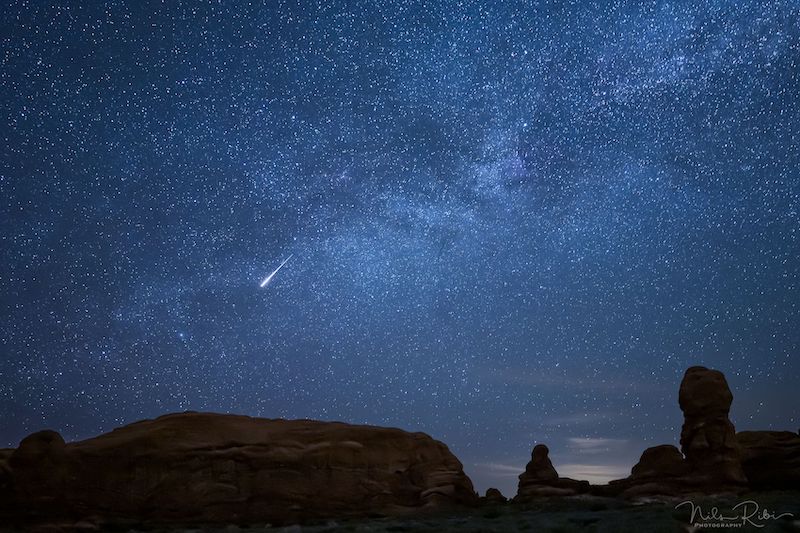
View at EarthSky Community Photos. | Nils Ribi captured this image in Utah on April 17, 2023, and wrote: “I was setting up to photograph the Milky Way over the Windows section of Arches National Park in the very early morning hours of April 17, 2023. As I was, I noticed a couple of Lyrid meteors in the northeast sky. I set the camera up in that direction and was able to capture a couple of photos. This is the best one. I then proceeded to get a nice pano photo of the Milky Way over the North Window. Life is good!” Thank you, Nils! Check out our tips below for watching meteor showers.
1. Know the peak time
Generally, meteor showers happen over many days as Earth encounters a wide stream of icy particles in space. These particles are debris left behind by a comet. So the peak is a point in time when Earth is expected to encounter the greatest number of comet particles. To find the peak dates of meteor showers, try EarthSky’s meteor guide.
And here’s the catch … the peak of the shower comes at the same time for all of us on Earth. Meanwhile, our clocks are saying different times. You’ll often need to adjust from UTC to your local time.
However, the predictions are not always right on the money. And remember … it’s possible to see nice meteor displays in the hours – even days – before or after the predicted peak.
Just remember, meteor showers are part of nature. So naturally, they often defy prediction.
And … you need a wide-open view of the sky. A farmer’s field? Maybe a stretch of country road? Or a campsite with a clear view in one or more directions? That’s because an open sky will increase your chances of seeing some meteors.
3. Oh no! The moon is out
During a meteor shower, a bright moon is not your friend. To be sure, nothing dampens the display of a meteor shower more effectively than a bright moon.
If the moon is out, look at areas of the sky away from the moon. Anything in the moon’s vicinity – including meteors – will likely be washed out by its bright light. And, another tip for watching in moonlight: place some object between yourself and the moon. Observing from the shadow of a barn, or vehicle, even a tree, can help you see more meteors. Basically, place yourself somewhere in the moon’s shadow.
4. Know the expected rate
Here we touch on a topic that sometimes leads to some disappointment, especially among novice meteor-watchers: the rate.
Tables of meteor showers almost always list what is known as the zenithal hourly rate (ZHR) for each shower.
So the ZHR is the number of meteors you’ll see if you’re watching in a very dark sky, with the radiant overhead, when the shower is at its peak. In other words, the ZHR represents the number of meteors you might see per hour given the very best observing conditions during the shower’s maximum.
If the peak occurs when it’s still daylight at your location, if most of the meteors are predominantly faint, if a bright moon is out or if you’re located in a light-polluted area, the total number of meteors you see will be considerably reduced.
5. Don’t worry too much about radiant points
You don’t need to stare all night in a single direction – or even locate the radiant point – to have fun watching the shower. The meteors will appear all over the sky.
But … although you can see meteors shoot up from the horizon before a shower’s radiant rises, you’ll see more meteors after it rises. And you’ll see the most when the radiant is highest in the sky. So, find out the radiant point’s rising time. Then you can pinpoint the best time of night to watch the shower.
And … the radiant point is interesting. If you track meteors backward on the sky’s dome, you’ll find them streaming from their radiant point, a single point within a given constellation. Hence the meteor shower’s name.
6. Watch for an hour or more
Meteor showers will be better if you let your eyes adapt to the dark. That can take as long as 20 minutes. Plus, the meteors tend to come in spurts, followed by lulls. Be patient! You’ll see some.
7. Notice the meteors’ speeds and colors
The Lyrid meteors are medium speed and can produce fireballs, while the Eta Aquariids are swift. The nice thing about a slow meteor shower – such as the Taurids – is if you see one and yell “meteor,” other people can catch it as well.
Plus, the August Perseids can be colorful. Unlike another beloved shower, the December Geminids. The Geminids tend to be bright and white.
8. Watch for meteor trains
A meteor train is a persistent glow in the air left by some meteors after they have faded from view. Trains are from luminous ionized matter left in the wake of this incoming space debris.
9. Bring a blanket, a buddy, a hot drink and a lawn chair
A reclining lawn chair helps you lie back in comfort for an hour or more of meteor-watching.
If several of you are watching, take different parts of the sky. If you see one, shout “Meteor!” Dress warmly; the nights can be cool or cold, even during the spring and summer months. You’ll probably appreciate that blanket and warm drink in the wee hours of the morning. Also, leave your laptops and tablets home; even using the nighttime dark mode will ruin your night vision. And this will be tough on some people: leave your cell phone in your pocket or the car. It can also ruin your night vision.
10. Enjoy nature
Relax and enjoy the night sky. Not every meteor shower is a winner. Sometimes, you may come away from a shower seeing only one meteor. But if that one meteor is bright, and takes a slow path across a starry night sky … it’ll be worth it.
To be successful at observing any meteor shower, you need to get into a kind of zen state, waiting and expecting the meteors to come to you, if you place yourself in a good position (country location, wide open sky) to see them.
Or forget the zen state, and let yourself be guided by this old meteor watcher’s motto:
You might see a lot or you might not see many, but if you stay in the house, you won’t see any.
2025’s Lyrids from EarthSky’s founder
The meteor drought comes to an end in April with the Lyrid meteor shower. After this, we’ll have a major meteor shower nearly every month until the year’s end. The Lyrid meteor shower is active from April 14 to April 30. So you might see a Lyrid meteor any time now. The best time to watch is from the evening of April 21 until moonrise (or even after moonrise) on the morning of April 22. EarthSky’s Deborah Byrd gives you the details in this video. Watch in the player above or on YouTube. Prefer to read? Click here.
Photos of meteors from EarthSky’s community
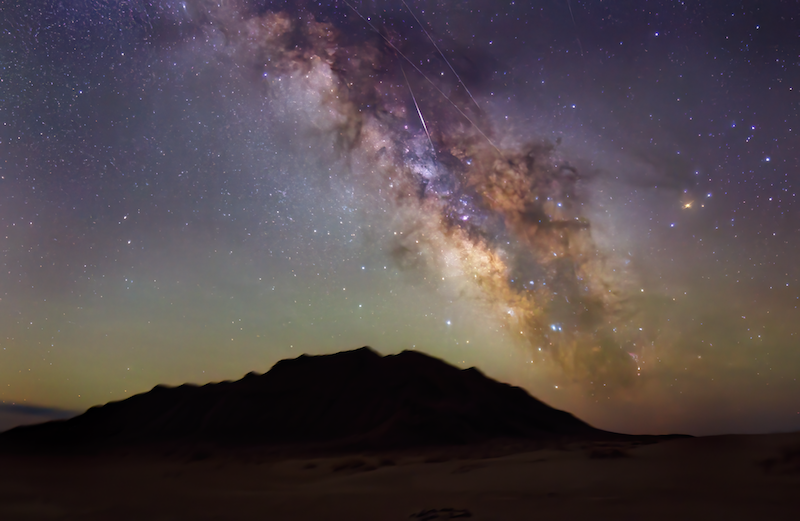
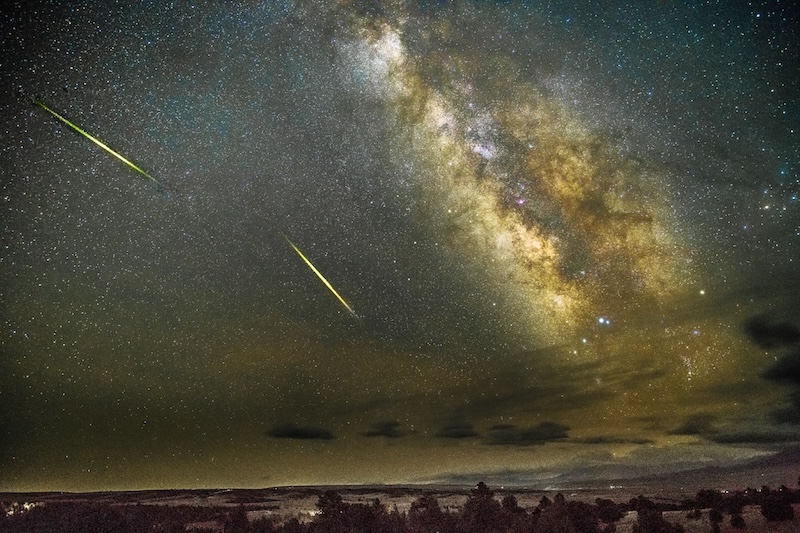
View at EarthSky Community Photos. | Steve Price captured this image in Utah on April 20, 2023, and wrote: “One Lyrid meteor streaking past the Eagle Nebula and a couple of early morning satellites. The foreground is blurred from the star tracker following the stars. A little but of green and red airglow is showing on the left”. Thank you, Steve.View at EarthSky Community Photos. | Christoph Stopka captured some Eta Aquariid meteors on May 5, 2024, near Westcliffe, Colorado, and said: “I kept my camera pointed toward the Milky Way, hoping for a meteor streaking by. And finally, it was showtime: I saw a greenish flash to the left of the Milky Way and knew instantly I had a winner! Sure enough, when I checked my last 15 seconds exposure on the screen of the camera, I could clearly identify a good size meteor in the image. But to my big surprise, I saw that there was actually a SECOND, smaller meteor below the one I had noticed!” Thank you, Christoph!
More meteor photos
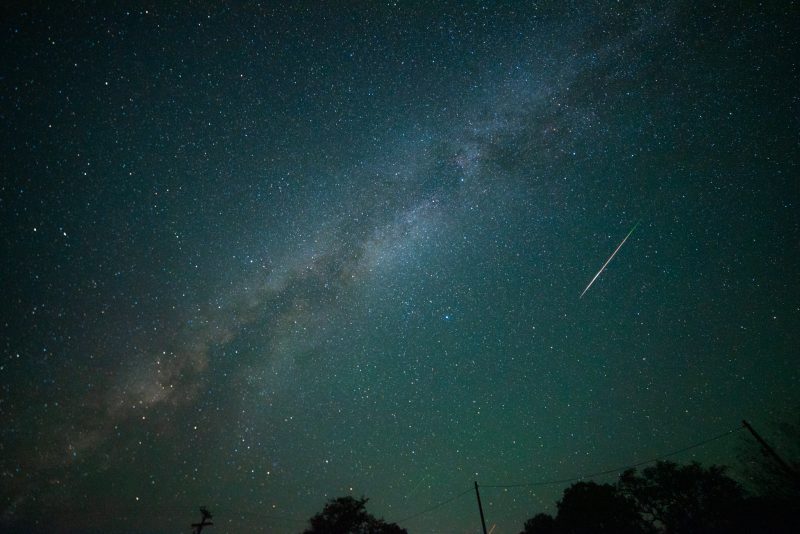
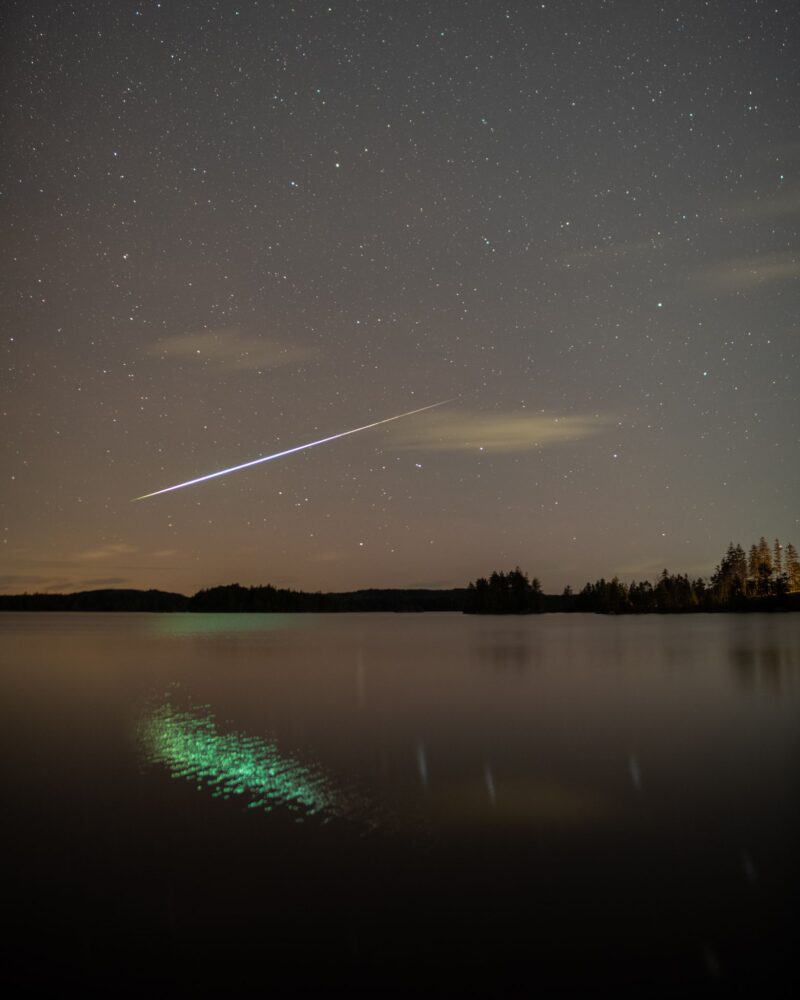
View at EarthSky Community Photos. | Martha Dean in San Saba County, Texas, captured this Perseid meteor on the morning of August 13, 2023. She wrote: “Great memory-making night, watching Perseid meteors with family.” Nothing better! Thank you, Martha.View at EarthSky Community Photos. | Jason Dain in Halifax, Nova Scotia, Canada, captured this Geminid meteor and its reflection in the water. He wrote: “I was out watching for the aurora. I had a 2nd camera running some star trails, and managed to capture this fireball streaking across the sky.” We are so grateful for those 2 cameras! Thank you, Jason.
Hooray! It’s meteor time! That’s right, the Lyrid meteor shower ends the meteor drought that’s been happening since early January. They Lyrids are due to peak late at night April 21 through dawn on April 22. And they’ll be followed by the Eta Aquariids on May 5.
So, how can you optimize your chances of seeing a great meteor display? Follow the tips below.
View at EarthSky Community Photos. | Nils Ribi captured this image in Utah on April 17, 2023, and wrote: “I was setting up to photograph the Milky Way over the Windows section of Arches National Park in the very early morning hours of April 17, 2023. As I was, I noticed a couple of Lyrid meteors in the northeast sky. I set the camera up in that direction and was able to capture a couple of photos. This is the best one. I then proceeded to get a nice pano photo of the Milky Way over the North Window. Life is good!” Thank you, Nils! Check out our tips below for watching meteor showers.
1. Know the peak time
Generally, meteor showers happen over many days as Earth encounters a wide stream of icy particles in space. These particles are debris left behind by a comet. So the peak is a point in time when Earth is expected to encounter the greatest number of comet particles. To find the peak dates of meteor showers, try EarthSky’s meteor guide.
And here’s the catch … the peak of the shower comes at the same time for all of us on Earth. Meanwhile, our clocks are saying different times. You’ll often need to adjust from UTC to your local time.
However, the predictions are not always right on the money. And remember … it’s possible to see nice meteor displays in the hours – even days – before or after the predicted peak.
Just remember, meteor showers are part of nature. So naturally, they often defy prediction.
And … you need a wide-open view of the sky. A farmer’s field? Maybe a stretch of country road? Or a campsite with a clear view in one or more directions? That’s because an open sky will increase your chances of seeing some meteors.
3. Oh no! The moon is out
During a meteor shower, a bright moon is not your friend. To be sure, nothing dampens the display of a meteor shower more effectively than a bright moon.
If the moon is out, look at areas of the sky away from the moon. Anything in the moon’s vicinity – including meteors – will likely be washed out by its bright light. And, another tip for watching in moonlight: place some object between yourself and the moon. Observing from the shadow of a barn, or vehicle, even a tree, can help you see more meteors. Basically, place yourself somewhere in the moon’s shadow.
4. Know the expected rate
Here we touch on a topic that sometimes leads to some disappointment, especially among novice meteor-watchers: the rate.
Tables of meteor showers almost always list what is known as the zenithal hourly rate (ZHR) for each shower.
So the ZHR is the number of meteors you’ll see if you’re watching in a very dark sky, with the radiant overhead, when the shower is at its peak. In other words, the ZHR represents the number of meteors you might see per hour given the very best observing conditions during the shower’s maximum.
If the peak occurs when it’s still daylight at your location, if most of the meteors are predominantly faint, if a bright moon is out or if you’re located in a light-polluted area, the total number of meteors you see will be considerably reduced.
5. Don’t worry too much about radiant points
You don’t need to stare all night in a single direction – or even locate the radiant point – to have fun watching the shower. The meteors will appear all over the sky.
But … although you can see meteors shoot up from the horizon before a shower’s radiant rises, you’ll see more meteors after it rises. And you’ll see the most when the radiant is highest in the sky. So, find out the radiant point’s rising time. Then you can pinpoint the best time of night to watch the shower.
And … the radiant point is interesting. If you track meteors backward on the sky’s dome, you’ll find them streaming from their radiant point, a single point within a given constellation. Hence the meteor shower’s name.
6. Watch for an hour or more
Meteor showers will be better if you let your eyes adapt to the dark. That can take as long as 20 minutes. Plus, the meteors tend to come in spurts, followed by lulls. Be patient! You’ll see some.
7. Notice the meteors’ speeds and colors
The Lyrid meteors are medium speed and can produce fireballs, while the Eta Aquariids are swift. The nice thing about a slow meteor shower – such as the Taurids – is if you see one and yell “meteor,” other people can catch it as well.
Plus, the August Perseids can be colorful. Unlike another beloved shower, the December Geminids. The Geminids tend to be bright and white.
8. Watch for meteor trains
A meteor train is a persistent glow in the air left by some meteors after they have faded from view. Trains are from luminous ionized matter left in the wake of this incoming space debris.
9. Bring a blanket, a buddy, a hot drink and a lawn chair
A reclining lawn chair helps you lie back in comfort for an hour or more of meteor-watching.
If several of you are watching, take different parts of the sky. If you see one, shout “Meteor!” Dress warmly; the nights can be cool or cold, even during the spring and summer months. You’ll probably appreciate that blanket and warm drink in the wee hours of the morning. Also, leave your laptops and tablets home; even using the nighttime dark mode will ruin your night vision. And this will be tough on some people: leave your cell phone in your pocket or the car. It can also ruin your night vision.
10. Enjoy nature
Relax and enjoy the night sky. Not every meteor shower is a winner. Sometimes, you may come away from a shower seeing only one meteor. But if that one meteor is bright, and takes a slow path across a starry night sky … it’ll be worth it.
To be successful at observing any meteor shower, you need to get into a kind of zen state, waiting and expecting the meteors to come to you, if you place yourself in a good position (country location, wide open sky) to see them.
Or forget the zen state, and let yourself be guided by this old meteor watcher’s motto:
You might see a lot or you might not see many, but if you stay in the house, you won’t see any.
2025’s Lyrids from EarthSky’s founder
The meteor drought comes to an end in April with the Lyrid meteor shower. After this, we’ll have a major meteor shower nearly every month until the year’s end. The Lyrid meteor shower is active from April 14 to April 30. So you might see a Lyrid meteor any time now. The best time to watch is from the evening of April 21 until moonrise (or even after moonrise) on the morning of April 22. EarthSky’s Deborah Byrd gives you the details in this video. Watch in the player above or on YouTube. Prefer to read? Click here.
Photos of meteors from EarthSky’s community
View at EarthSky Community Photos. | Steve Price captured this image in Utah on April 20, 2023, and wrote: “One Lyrid meteor streaking past the Eagle Nebula and a couple of early morning satellites. The foreground is blurred from the star tracker following the stars. A little but of green and red airglow is showing on the left”. Thank you, Steve.View at EarthSky Community Photos. | Christoph Stopka captured some Eta Aquariid meteors on May 5, 2024, near Westcliffe, Colorado, and said: “I kept my camera pointed toward the Milky Way, hoping for a meteor streaking by. And finally, it was showtime: I saw a greenish flash to the left of the Milky Way and knew instantly I had a winner! Sure enough, when I checked my last 15 seconds exposure on the screen of the camera, I could clearly identify a good size meteor in the image. But to my big surprise, I saw that there was actually a SECOND, smaller meteor below the one I had noticed!” Thank you, Christoph!
More meteor photos
View at EarthSky Community Photos. | Martha Dean in San Saba County, Texas, captured this Perseid meteor on the morning of August 13, 2023. She wrote: “Great memory-making night, watching Perseid meteors with family.” Nothing better! Thank you, Martha.View at EarthSky Community Photos. | Jason Dain in Halifax, Nova Scotia, Canada, captured this Geminid meteor and its reflection in the water. He wrote: “I was out watching for the aurora. I had a 2nd camera running some star trails, and managed to capture this fireball streaking across the sky.” We are so grateful for those 2 cameras! Thank you, Jason.
If you’re up before the sun at this time of year, you may see the Milky Way returning to dark skies. The starry band of our home galaxy appears in the early morning hours starting in February. And, fortunately for us, members of the EarthSky community of photographers have already shared some spectacular images with us. Enjoy the Milky Way pics in the video above and in this gallery. We’ll keep adding more as we get them. Do you have one of your own to share? Submit it to us!
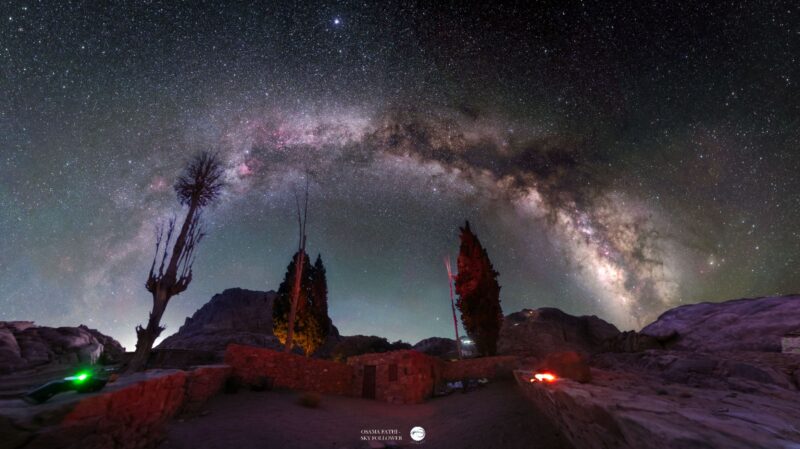
View at EarthSky Community Photos. | Ossama Fathy in St. Catherine, Egypt, captured this shot of the Milky Way on April 4, 2025. Ossama wrote: “From Farsh El Nabi Elias, a sacred and elevated plateau (2,000 meters above sea level) near the summit of Mount Moses (Mount Sinai) in Egypt. Mount Moses is a site revered across multiple faiths.” Thank you, Ossama!
Fabulous Milky Way pics
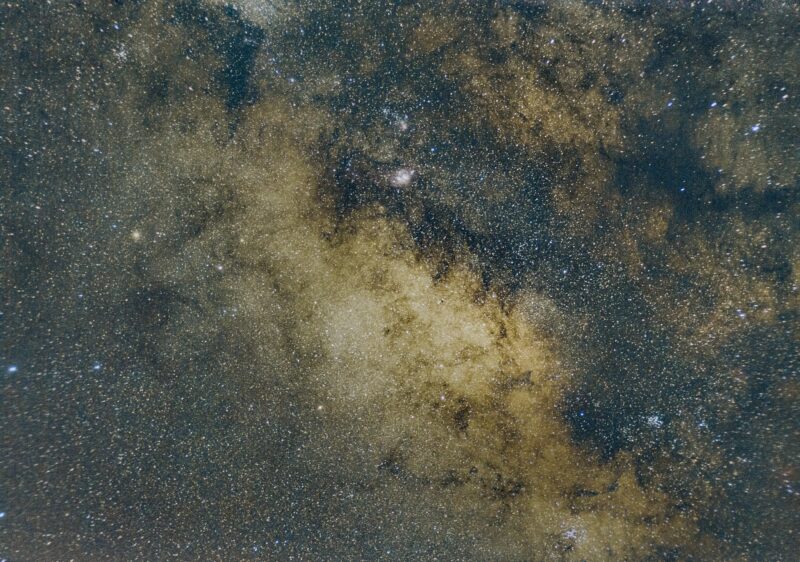
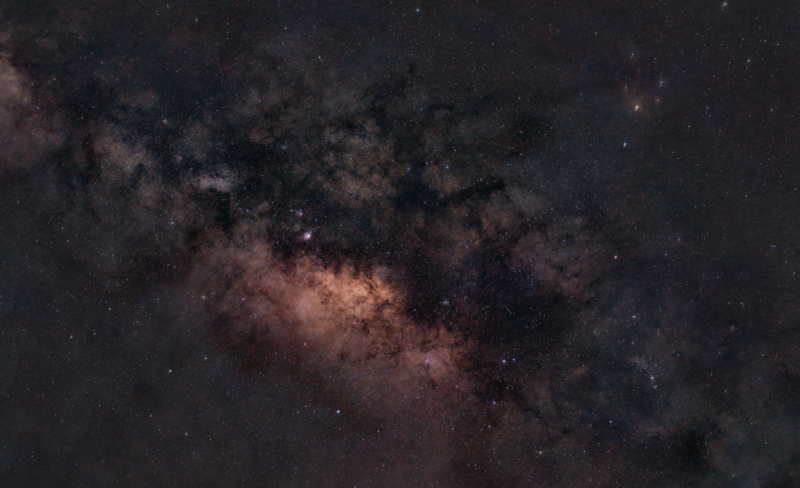
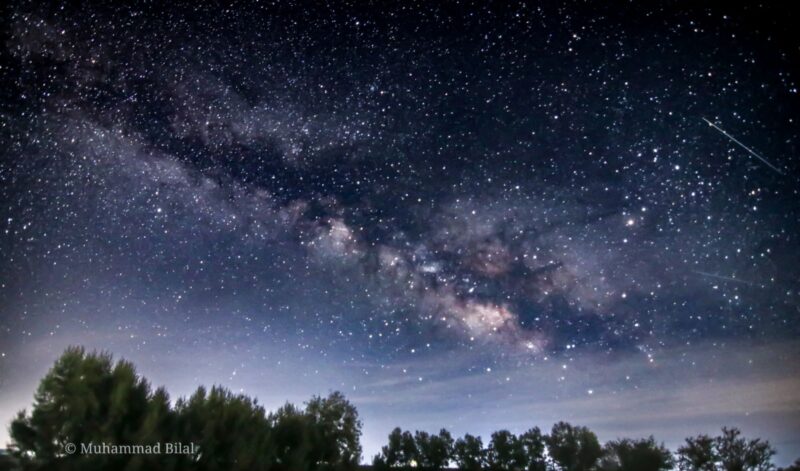
View at EarthSky Community Photos. | Muhammad Abdul Rehman in Gujrat, Punjab, Pakistan, captured the core of the Milky Way on March 26, 2025. Thank you, Muhammad!View at EarthSky Community Photos. | Amr Abdulwahb captured this image on March 7, 2025. Amr wrote: “This breathtaking image captures the ethereal beauty of the White Desert in Egypt under the heart of our Milky Way galaxy. The surreal limestone formations, sculpted by time and wind, stand as ancient sentinels beneath the cosmic glow of the galactic core.” Thank you, Amr!View at EarthSky Community Photos. | Atharva Maurya in Bhadohi, India, captured the Milky Way on March 25, 2025. Thank you, Atharva!View at EarthSky Community Photos. | Muhammad Bilal in Talagang, Punjab, Pakistan, captured our home galaxy on March 6, 2025. Muhammad wrote: “As the summer is approaching, our very own Milky Way galaxy is back in sky.” Thank you, Muhammad!
More stunning pics
View at EarthSky Community Photos. | Naiteek Vikamsey in Kutch, Gujarat, India, captured this image on March 28, 2025. Naiteek wrote: “I captured this image during our Milky Way Saga workshop, set in the ancient land of Kutch, once home to the great Harappan civilization. To reach our shooting spot, we descended 900 meters in pitch darkness, headlamps at full power, with insects buzzing around and heavy gear on our backs. The night was calm and silent as we waited for the Milky Way to rise.” Thank you, Naiteek!View at EarthSky Community Photos. | Ross Stone shared this shot of our home galaxy from March 5, 2025. Ross wrote: “I captured this scene at the Mobius Arch in the Alabama Hills near the small town of Lone Pine, California. Photographing the Milky Way wasn’t my intention, because I was there to capture the incoming storm on the Eastern Sierra.” Thank you, Ross!View at EarthSky Community Photos. | Kamala Venkatesh captured the Milky Way from Loreto, Mexico. Kamala wrote: “Baja California Sur is a relatively dark sky region. I shot this in an area called Mirador, an outlook over the Sea of Cortez in the Gulf of California.” Thanks, Kamala!
Bottom line: Enjoy these stunning photos of the Milky Way, our home galaxy, in celebration of the return of Milky Way season.
If you’re up before the sun at this time of year, you may see the Milky Way returning to dark skies. The starry band of our home galaxy appears in the early morning hours starting in February. And, fortunately for us, members of the EarthSky community of photographers have already shared some spectacular images with us. Enjoy the Milky Way pics in the video above and in this gallery. We’ll keep adding more as we get them. Do you have one of your own to share? Submit it to us!
View at EarthSky Community Photos. | Ossama Fathy in St. Catherine, Egypt, captured this shot of the Milky Way on April 4, 2025. Ossama wrote: “From Farsh El Nabi Elias, a sacred and elevated plateau (2,000 meters above sea level) near the summit of Mount Moses (Mount Sinai) in Egypt. Mount Moses is a site revered across multiple faiths.” Thank you, Ossama!
Fabulous Milky Way pics
View at EarthSky Community Photos. | Muhammad Abdul Rehman in Gujrat, Punjab, Pakistan, captured the core of the Milky Way on March 26, 2025. Thank you, Muhammad!View at EarthSky Community Photos. | Amr Abdulwahb captured this image on March 7, 2025. Amr wrote: “This breathtaking image captures the ethereal beauty of the White Desert in Egypt under the heart of our Milky Way galaxy. The surreal limestone formations, sculpted by time and wind, stand as ancient sentinels beneath the cosmic glow of the galactic core.” Thank you, Amr!View at EarthSky Community Photos. | Atharva Maurya in Bhadohi, India, captured the Milky Way on March 25, 2025. Thank you, Atharva!View at EarthSky Community Photos. | Muhammad Bilal in Talagang, Punjab, Pakistan, captured our home galaxy on March 6, 2025. Muhammad wrote: “As the summer is approaching, our very own Milky Way galaxy is back in sky.” Thank you, Muhammad!
More stunning pics
View at EarthSky Community Photos. | Naiteek Vikamsey in Kutch, Gujarat, India, captured this image on March 28, 2025. Naiteek wrote: “I captured this image during our Milky Way Saga workshop, set in the ancient land of Kutch, once home to the great Harappan civilization. To reach our shooting spot, we descended 900 meters in pitch darkness, headlamps at full power, with insects buzzing around and heavy gear on our backs. The night was calm and silent as we waited for the Milky Way to rise.” Thank you, Naiteek!View at EarthSky Community Photos. | Ross Stone shared this shot of our home galaxy from March 5, 2025. Ross wrote: “I captured this scene at the Mobius Arch in the Alabama Hills near the small town of Lone Pine, California. Photographing the Milky Way wasn’t my intention, because I was there to capture the incoming storm on the Eastern Sierra.” Thank you, Ross!View at EarthSky Community Photos. | Kamala Venkatesh captured the Milky Way from Loreto, Mexico. Kamala wrote: “Baja California Sur is a relatively dark sky region. I shot this in an area called Mirador, an outlook over the Sea of Cortez in the Gulf of California.” Thanks, Kamala!
Bottom line: Enjoy these stunning photos of the Milky Way, our home galaxy, in celebration of the return of Milky Way season.
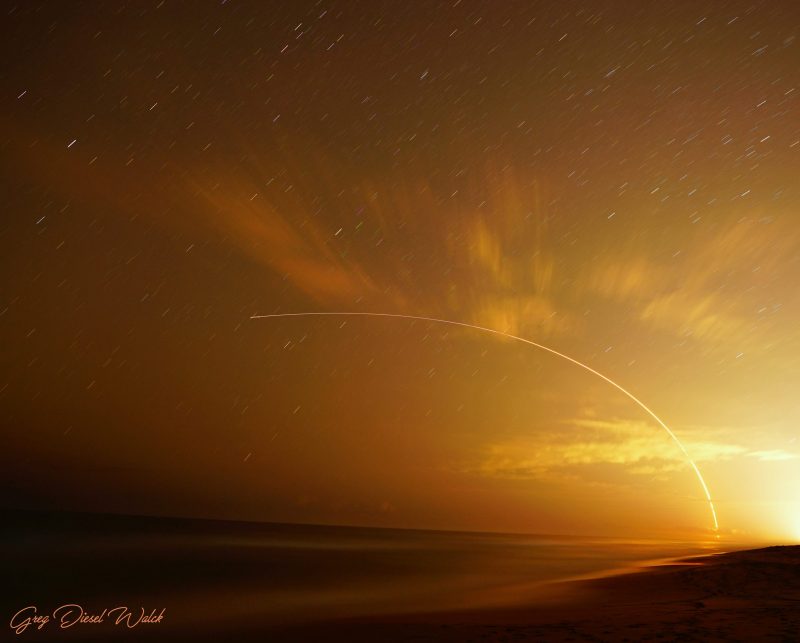
View at EarthSky Community Photos. | Up and away! Greg Diesel Walck in Ormond Beach, Florida, captured this photo of the launch of the Lucy spacecraft on October 16, 2021. Now Lucy is about to encounter its first target, the main-belt asteroid Donaldjohanson. Thank you, Greg!
The Lucy spacecraft – named for a famous fossilized skeleton found in Africa in 1974 – is on a 4-billion-mile (6-billion-km) journey to explore a couple of main-belt asteroids and seven of Jupiter’s Trojan asteroids. On Sunday, April 20, 2025, it’ll fly past asteroid Donaldjohanson, named for the paleoanthropologist best known for discovering the Lucy fossil.
The Lucy spacecraft’s closest approach to the asteroid will be at 12:51 p.m. CDT (17:51 UTC) on April 20. The spacecraft will sweep within 596 miles (960 km) of the asteroid. Tom Statler at NASA headquarters in Washington said:
The fact that each new asteroid we visit knocks our socks off means we’re only beginning to understand the depth and richness of that history. Telescopic observations are hinting that Donaldjohanson is going to have an interesting story, and I’m fully expecting to be surprised, again.
Donaldjohanson is oblong in shape and about 2 miles (3.2 km) wide. When will we see it up close in images from the Lucy spacecraft? Michael Vincent of Southwest Research Institute in Boulder, Colorado, said:
One of the weird things to wrap your brain around with these deep space missions is how slow the speed of light is. Lucy is 12.5 light-minutes away from Earth, meaning it takes that long for any signal we send to reach the spacecraft. Then it takes another 12.5 minutes before we get Lucy’s response telling us we were heard. So, when we command the data playback after closest approach, it takes 25 minutes from when we ask to see the pictures before we get any of them to the ground.
And then it will take a couple of days for the science data to arrive at Earth. But when it does, expect an update with our first closeup views of Donaldjohanson.
Zeroing in on Donaldjohanson
Back on February 25, 2025, NASA shared Lucy’s first views of Donaldjohanson. In the images, we can see the asteroid change its position between February 20 and 22.
This flyby is a test run for its encounter with Jupiter’s Trojan asteroids in 2027. Lucy already passed and imaged another main-belt asteroid – Dinkinesh – in November 2023. During that pass, images revealed it has a contact-binary moon, Selam. Who knows what the new images of Donaldjohanson will reveal?
The Lucy spacecraft, en route to the Trojan asteroids around Jupiter, first has its sights set on a main-belt asteroid, Donaldjohanson. NASA shared this view of the targeted asteroid on February 25, 2025. Image via NASA/ Goddard/ SwRI/ Johns Hopkins APL.
Earth gave the Lucy spacecraft a boost
Lucy launched from Cape Canaveral, Florida, on October 16, 2021. Exactly one year later, the spacecraft swung past Earth for a gravity assist on Sunday, October 16, 2022. During the 2022 gravity assist, Lucy swept within 219 miles (352 km) of Earth’s surface. In fact, Lucy came so close to Earth that some lucky observers were able to watch the spacecraft soar overhead.
It was the first of three gravity assists from Earth, as the spacecraft wends its way outward through the solar system on its 12-year journey.
Why visit the Trojan asteroids?
The Trojans move in Jupiter’s orbit around the sun. Scientists view them as fossils left over from the formation of the solar system. And they’ve never been explored before.
Our fossilized ancestor called Lucy dates to some 3.2 million years ago. And the skeleton of the fossil Lucy provided unique insight into human evolution. Likewise, the Lucy space mission will hopefully provide insight into our solar system’s evolution. Astronomer Hal Levison of the Southwest Research Institute (SwRI) in Boulder, Colorado, leads the Lucy mission. He spoke about Lucy’s journey to Jupiter’s Trojans and about how the mission got its name:
The Trojan asteroids are leftovers from the early days of our solar system, effectively fossils of the planet formation process. They hold vital clues to deciphering the history of our solar system. The Lucy spacecraft, like the human ancestor fossil for which it is named, will revolutionize the understanding of our origins.
Meanwhile, the asteroid Donaldjohnanson is named for anthropologist Donald Johanson. He discovered the fossilized skeleton of Lucy in Africa.
The Lucy spacecraft’s long journey
Ultimately, Lucy’s 4-billion-mile journey will take it out to the orbit of Jupiter and the realm of Trojan asteroids, then back in toward Earth for gravity assists three times. Notably, this will be the first time a spacecraft has ever returned to Earth’s vicinity from the outer solar system.
To answer some questions: the Lucy spacecraft is going out to several asteroids that share a very stable orbit around the Sun with the planet Jupiter. These asteroids are not coming to Earth! Follow @AsteroidWatch
for more about how we track asteroids near Earth.
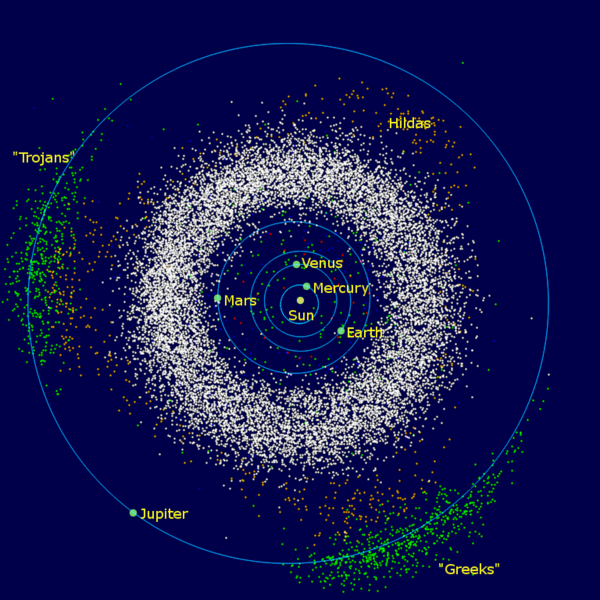
Here, the white “donut” represents the asteroid belt. Generally speaking, astronomers use the name Trojans for all the asteroids collected at Jupiter’s 2 stable Lagrange points. Specifically, the asteroids move in Jupiter’s orbit, 60 degrees ahead of and behind the giant planet. By convention, asteroids orbiting in front of Jupiter are named for the Greek heroes of the Trojan War. And likewise, asteroids trailing behind Jupiter are named for the Trojan heroes. Image via Wikimedia Commons (public domain).
The Lucy spacecraft target: Trojan asteroids
In fact, Trojan asteroids are a unique group of rocky bodies. Left over from the formation of the solar system, they orbit the sun on either side of Jupiter. Until now, no spacecraft has previously explored this collection of solar system fossils. Jupiter’s gravity, in effect, traps these asteroids in two swarms in its orbit, with some ahead of the planet and some trailing behind.
Given these points, deputy principal investigator Cathy Olkin said:
Lucy’s ability to fly by so many targets means that we will not only get the first up-close look at this unexplored population, but we will also be able to study why these asteroids appear so different. The mission will provide an unparalleled glimpse into the formation of our solar system, helping us understand the evolution of the planetary system as a whole.
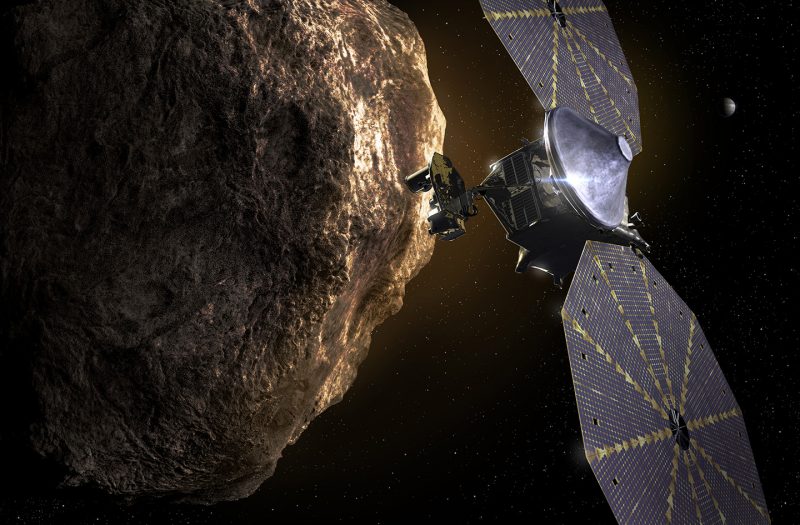
Artist’s concept showing the Lucy spacecraft exploring a Trojan asteroid. Image via SwRI.
Bottom line: The Lucy spacecraft is on its way to Jupiter’s Trojan asteroids. But on its way, it will have a rendezvous with the main-belt asteroid Donaldjohanson on April 20.
View at EarthSky Community Photos. | Up and away! Greg Diesel Walck in Ormond Beach, Florida, captured this photo of the launch of the Lucy spacecraft on October 16, 2021. Now Lucy is about to encounter its first target, the main-belt asteroid Donaldjohanson. Thank you, Greg!
The Lucy spacecraft – named for a famous fossilized skeleton found in Africa in 1974 – is on a 4-billion-mile (6-billion-km) journey to explore a couple of main-belt asteroids and seven of Jupiter’s Trojan asteroids. On Sunday, April 20, 2025, it’ll fly past asteroid Donaldjohanson, named for the paleoanthropologist best known for discovering the Lucy fossil.
The Lucy spacecraft’s closest approach to the asteroid will be at 12:51 p.m. CDT (17:51 UTC) on April 20. The spacecraft will sweep within 596 miles (960 km) of the asteroid. Tom Statler at NASA headquarters in Washington said:
The fact that each new asteroid we visit knocks our socks off means we’re only beginning to understand the depth and richness of that history. Telescopic observations are hinting that Donaldjohanson is going to have an interesting story, and I’m fully expecting to be surprised, again.
Donaldjohanson is oblong in shape and about 2 miles (3.2 km) wide. When will we see it up close in images from the Lucy spacecraft? Michael Vincent of Southwest Research Institute in Boulder, Colorado, said:
One of the weird things to wrap your brain around with these deep space missions is how slow the speed of light is. Lucy is 12.5 light-minutes away from Earth, meaning it takes that long for any signal we send to reach the spacecraft. Then it takes another 12.5 minutes before we get Lucy’s response telling us we were heard. So, when we command the data playback after closest approach, it takes 25 minutes from when we ask to see the pictures before we get any of them to the ground.
And then it will take a couple of days for the science data to arrive at Earth. But when it does, expect an update with our first closeup views of Donaldjohanson.
Zeroing in on Donaldjohanson
Back on February 25, 2025, NASA shared Lucy’s first views of Donaldjohanson. In the images, we can see the asteroid change its position between February 20 and 22.
This flyby is a test run for its encounter with Jupiter’s Trojan asteroids in 2027. Lucy already passed and imaged another main-belt asteroid – Dinkinesh – in November 2023. During that pass, images revealed it has a contact-binary moon, Selam. Who knows what the new images of Donaldjohanson will reveal?
The Lucy spacecraft, en route to the Trojan asteroids around Jupiter, first has its sights set on a main-belt asteroid, Donaldjohanson. NASA shared this view of the targeted asteroid on February 25, 2025. Image via NASA/ Goddard/ SwRI/ Johns Hopkins APL.
Earth gave the Lucy spacecraft a boost
Lucy launched from Cape Canaveral, Florida, on October 16, 2021. Exactly one year later, the spacecraft swung past Earth for a gravity assist on Sunday, October 16, 2022. During the 2022 gravity assist, Lucy swept within 219 miles (352 km) of Earth’s surface. In fact, Lucy came so close to Earth that some lucky observers were able to watch the spacecraft soar overhead.
It was the first of three gravity assists from Earth, as the spacecraft wends its way outward through the solar system on its 12-year journey.
Why visit the Trojan asteroids?
The Trojans move in Jupiter’s orbit around the sun. Scientists view them as fossils left over from the formation of the solar system. And they’ve never been explored before.
Our fossilized ancestor called Lucy dates to some 3.2 million years ago. And the skeleton of the fossil Lucy provided unique insight into human evolution. Likewise, the Lucy space mission will hopefully provide insight into our solar system’s evolution. Astronomer Hal Levison of the Southwest Research Institute (SwRI) in Boulder, Colorado, leads the Lucy mission. He spoke about Lucy’s journey to Jupiter’s Trojans and about how the mission got its name:
The Trojan asteroids are leftovers from the early days of our solar system, effectively fossils of the planet formation process. They hold vital clues to deciphering the history of our solar system. The Lucy spacecraft, like the human ancestor fossil for which it is named, will revolutionize the understanding of our origins.
Meanwhile, the asteroid Donaldjohnanson is named for anthropologist Donald Johanson. He discovered the fossilized skeleton of Lucy in Africa.
The Lucy spacecraft’s long journey
Ultimately, Lucy’s 4-billion-mile journey will take it out to the orbit of Jupiter and the realm of Trojan asteroids, then back in toward Earth for gravity assists three times. Notably, this will be the first time a spacecraft has ever returned to Earth’s vicinity from the outer solar system.
To answer some questions: the Lucy spacecraft is going out to several asteroids that share a very stable orbit around the Sun with the planet Jupiter. These asteroids are not coming to Earth! Follow @AsteroidWatch
for more about how we track asteroids near Earth.
Here, the white “donut” represents the asteroid belt. Generally speaking, astronomers use the name Trojans for all the asteroids collected at Jupiter’s 2 stable Lagrange points. Specifically, the asteroids move in Jupiter’s orbit, 60 degrees ahead of and behind the giant planet. By convention, asteroids orbiting in front of Jupiter are named for the Greek heroes of the Trojan War. And likewise, asteroids trailing behind Jupiter are named for the Trojan heroes. Image via Wikimedia Commons (public domain).
The Lucy spacecraft target: Trojan asteroids
In fact, Trojan asteroids are a unique group of rocky bodies. Left over from the formation of the solar system, they orbit the sun on either side of Jupiter. Until now, no spacecraft has previously explored this collection of solar system fossils. Jupiter’s gravity, in effect, traps these asteroids in two swarms in its orbit, with some ahead of the planet and some trailing behind.
Given these points, deputy principal investigator Cathy Olkin said:
Lucy’s ability to fly by so many targets means that we will not only get the first up-close look at this unexplored population, but we will also be able to study why these asteroids appear so different. The mission will provide an unparalleled glimpse into the formation of our solar system, helping us understand the evolution of the planetary system as a whole.
Artist’s concept showing the Lucy spacecraft exploring a Trojan asteroid. Image via SwRI.
Bottom line: The Lucy spacecraft is on its way to Jupiter’s Trojan asteroids. But on its way, it will have a rendezvous with the main-belt asteroid Donaldjohanson on April 20.
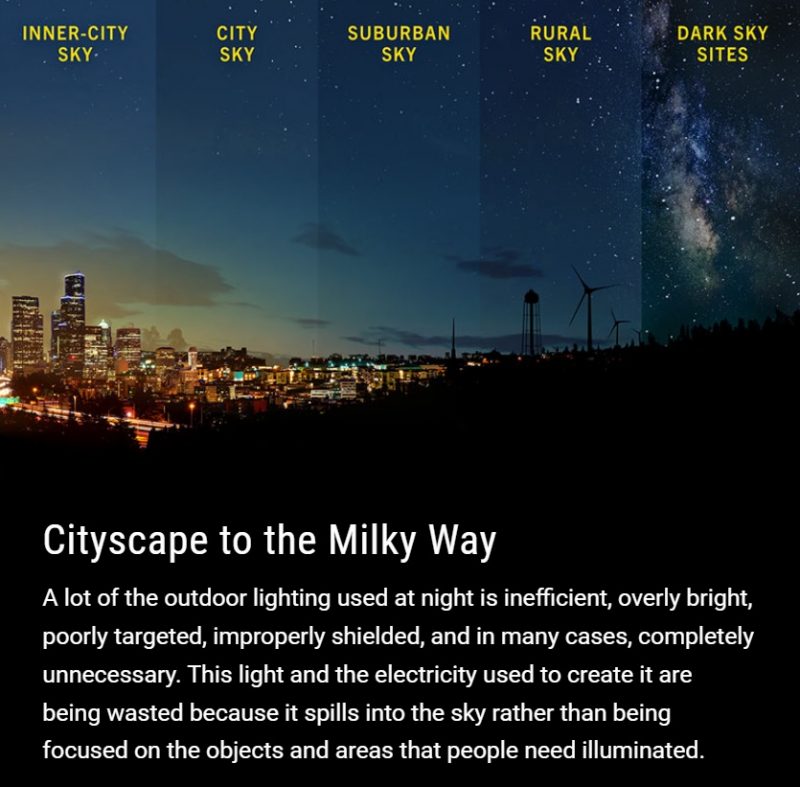
According to the International Dark-Sky Association (IDA) – founded in 1988 and based in Tucson, Arizona – light pollution is increasing at a rate twice that of human population growth. And about 80% of people around the world live under a light-polluted sky. That’s why IDA has established an International Dark Sky Week, which in 2025 falls on April 21 to 28. The goal for the week is to discover the night. According to the IDA:
International Dark Sky Week is a worldwide celebration to build awareness about the harmful effects of light pollution and the importance of the global nighttime environment.
The group also hopes you’ll learn the stars and constellations, and teach them to others.
Also, the IDA hopes you’ll join the global dark sky movement to protect and celebrate our shared heritage of dark night skies. DarkSky International promotes solutions that allow people to appreciate dark, star-filled skies while enjoying the benefits of responsible outdoor lighting.
According to the IDA:
For this International Dark Sky Week we invite you to join us as we discover the night together, exploring its importance and the actions we can take to protect dark skies.
Poor lighting in cities leads to larger amounts of light pollution. From a dark country sky, you can see the river of stars that makes up our galaxy, the Milky Way. Image via IDA.
Visit EarthSky’s night sky guide to see what you can view in the sky this week. A highlight for early morning risers is a slender crescent moon pairing up with Venus and Saturn – and you might spot Mercury – in the morning twilight on April 24 and 25. For more information visit EarthSky’s night sky guide.
View at EarthSky Community Photos. | Muhammad Bilal in Talagang, Punjab, Pakistan, captured our home galaxy on March 6, 2025. Muhammad wrote: “As the summer is approaching, our very own Milky way Galaxy is back in sky.” Thank you, Muhammad!View at EarthSky Community Photos. | William Mathe made the 100-mile drive to Last Chance, Colorado, for this scene on March 16, 2024. William wrote: “The ranch house is a bit of a fixer-upper. But it has spectacular views of the core of our little Milky Way galaxy.” Thank you, William!
Bottom line: Celebrate dark night skies and help limit light pollution by raising awareness through the annual International Dark Sky Week, April 21 to 28, 2025. Find links here.
According to the International Dark-Sky Association (IDA) – founded in 1988 and based in Tucson, Arizona – light pollution is increasing at a rate twice that of human population growth. And about 80% of people around the world live under a light-polluted sky. That’s why IDA has established an International Dark Sky Week, which in 2025 falls on April 21 to 28. The goal for the week is to discover the night. According to the IDA:
International Dark Sky Week is a worldwide celebration to build awareness about the harmful effects of light pollution and the importance of the global nighttime environment.
The group also hopes you’ll learn the stars and constellations, and teach them to others.
Also, the IDA hopes you’ll join the global dark sky movement to protect and celebrate our shared heritage of dark night skies. DarkSky International promotes solutions that allow people to appreciate dark, star-filled skies while enjoying the benefits of responsible outdoor lighting.
According to the IDA:
For this International Dark Sky Week we invite you to join us as we discover the night together, exploring its importance and the actions we can take to protect dark skies.
Poor lighting in cities leads to larger amounts of light pollution. From a dark country sky, you can see the river of stars that makes up our galaxy, the Milky Way. Image via IDA.
Visit EarthSky’s night sky guide to see what you can view in the sky this week. A highlight for early morning risers is a slender crescent moon pairing up with Venus and Saturn – and you might spot Mercury – in the morning twilight on April 24 and 25. For more information visit EarthSky’s night sky guide.
View at EarthSky Community Photos. | Muhammad Bilal in Talagang, Punjab, Pakistan, captured our home galaxy on March 6, 2025. Muhammad wrote: “As the summer is approaching, our very own Milky way Galaxy is back in sky.” Thank you, Muhammad!View at EarthSky Community Photos. | William Mathe made the 100-mile drive to Last Chance, Colorado, for this scene on March 16, 2024. William wrote: “The ranch house is a bit of a fixer-upper. But it has spectacular views of the core of our little Milky Way galaxy.” Thank you, William!
Bottom line: Celebrate dark night skies and help limit light pollution by raising awareness through the annual International Dark Sky Week, April 21 to 28, 2025. Find links here.
View at EarthSky Community Photos. | Sarah Iler in Birch Run, Michigan, submitted this photo of a shelf cloud on August 2, 2020. It’s a shelf cloud, a low-lying, horizontal, wedge-shaped cloud often seen forming the leading edge of a thunderstorm. Thanks, Sarah! There’s severe weather forecast for parts of the central U.S. this Easter weekend.
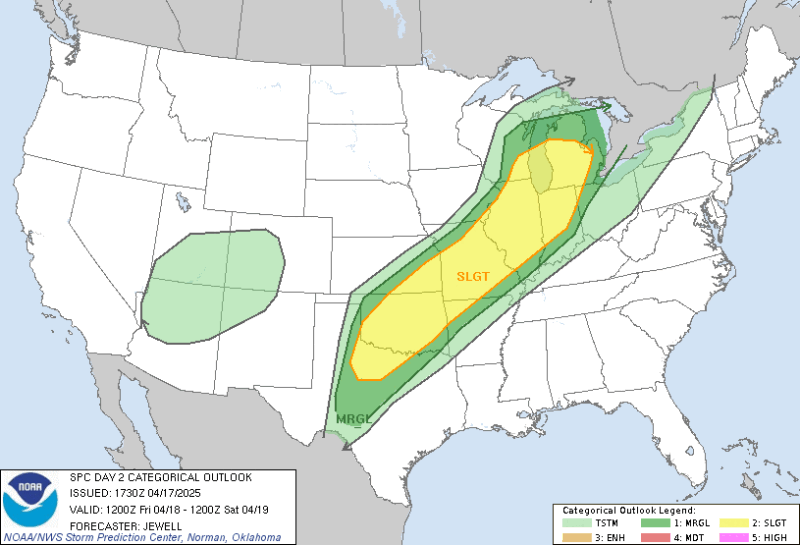
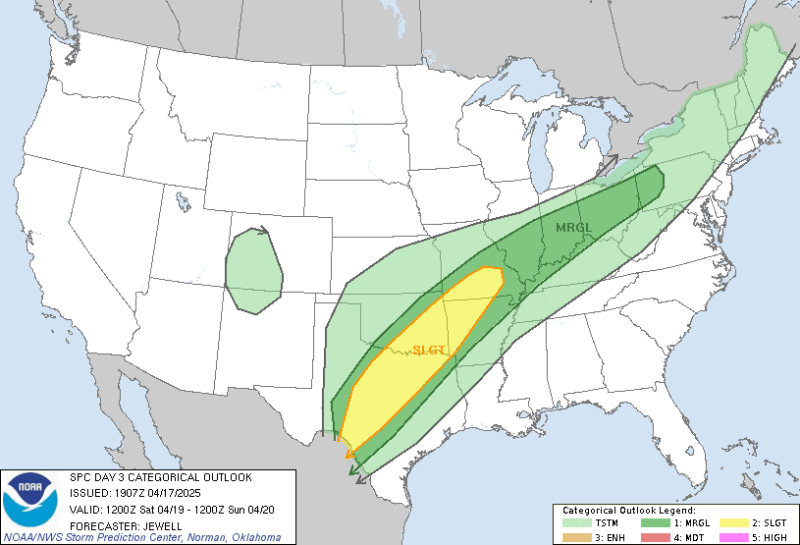
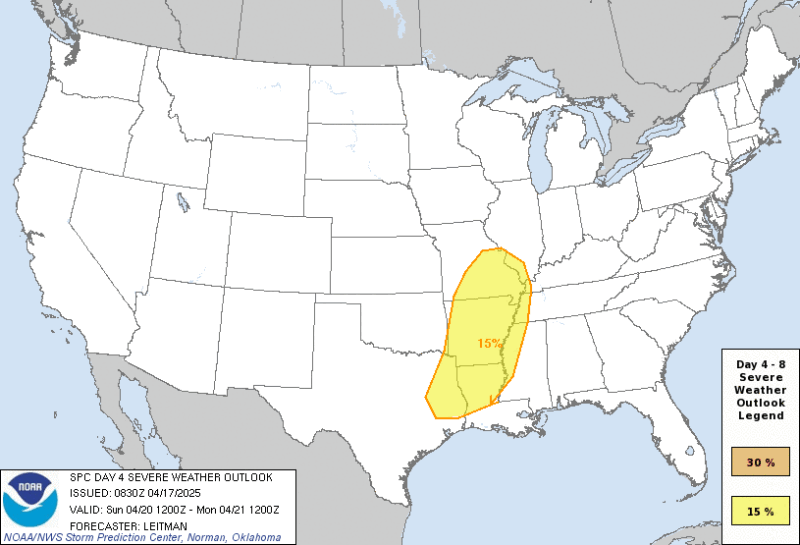
A strong cold front moving across the middle of the United States is forecast to bring the risk of severe weather for millions Friday, Saturday and Sunday. Large hail and damaging wind gusts are the main threats, but isolated tornadoes are also possible. The Storm Prediction Center has already outlined these next three days for possible severe weather. Plus you can go to the National Weather Service and enter your location. This will give you a complete forecast with what to expect over the next seven days.
Severe weather forecast for Friday
A Slight Risk (level 2 out of 5) for severe weather includes communities from Abilene, Texas through Oklahoma City, Oklahoma, Springfield, Illinois up toward Grand Rapids, Michigan. Warm, moist air will flow north from the Gulf into the middle of the country as a cold front approaches from he west. By Friday evening, thunderstorms with the potential to produce isolated tornadoes, damaging wind gusts and large hail will develop along the front stretching from Texas through the upper Great Lakes. By Friday night, the severe threat moves east.
The severe threat for Saturday shifts slightly south from the day before, focused across central Texas into the Ohio Valley region. Once again a Slight Risk (level 2 out of 5) for severe weather is in place. The cold front that will spark the severe weather Friday will stall out across the middle part of the country. This will keep that warm, moist air from the Gulf positioned over Texas, Oklahoma, Arkansas and Missouri. The storms from Friday night will continue into early Saturday morning along that same cold front, but more storms will redevelop during the afternoon during the peak heating of the day. Warm temperatures are vital for thunderstorms development as it provides energy for the storms to tap into and get stronger. These storms will continue through the night, aided by a feature called a low-level jet, which is a narrow jet stream of strong winds roughly 5,000 feet (1,500 meters) above the ground that moves south to north. This low-level jet will continue to fuel thunderstorms overnight (despite the lack of energy from daytime sun) by continuing to bring up that moisture from the Gulf. These storms have the potential for large hail and damaging wind gusts, but also an isolated tornado.
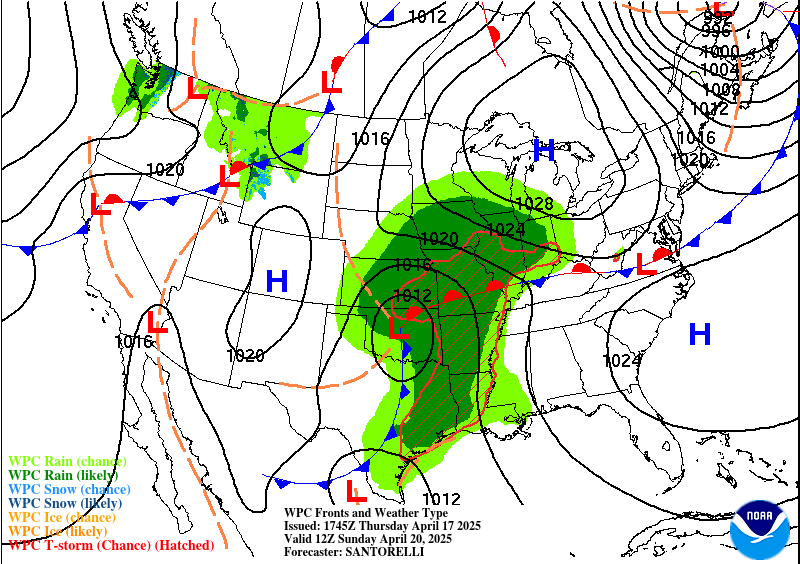
The risk area for Easter Sunday shifts slightly east from Saturday’s risk, but still mainly includes portions of east Texas and the middle to lower Mississippi Valley. A nearly identical storm set-up that has been in place through the weekend will keep that same warm, moist flow moving north from the Gulf. The stalled out cold front will eventually move back north, while another low pressure system with a cold front and warm front develops in central Texas Sunday morning.
This low pressure will move north through the Plains and into the Great Lakes region during the day Sunday. This will create a warm sector that will provide energy and moisture, important ingredients for storm development. The trailing cold front will be the main “initiating” factor for storms to develop Sunday as it moves through the Mississippi Valley by late morning, with more storms developing through the day, moving from west to east.
Sunday, April 20, 2025 Severe Weather Outlook from the Storm Prediction CenterThe low pressure and associated cold and warm front developing Sunday morning. From the Weather Prediction Center.
Staying safe indoor during severe weather
Spring is a popular time to enjoy the weather outside, and with this weekend being Easter weekend, many people will gather to celebrate the holiday with outdoor services, meals and get togethers. If severe weather impacts your plans, do you know how to stay safe?
Preparation is key! Pay attention to the forecast. Remember, you can go to the National Weather Service and enter your location, for a complete forecast with what to expect over the next seven days.
You should also know where to go should severe weather threaten. If you are at a house or building, get inside away from windows as quickly as possible. If you are at a public park, a shelter will protect you from the rain, but. you will still be at risk of damaging wind and lightning, not to mention a tornado. Find an enclosed structure as soon as possible to wait out the storm. If the storm has no threat of a tornado, you can wait it out inside a vehicle, with the doors closed and windows rolled up. But remember: a car is not a safe place to shelter during a tornado.
Also make sure you have a way to receive weather information or warnings. A trusted weather app on your phone that will alert you to the presence of lightning is a great way to stay ahead of developing or approaching storms, as well as get weather watches and warnings issued by your local National Weather Service office. A NOAA Weather Radio is also an important tool to have, as this weather radio will sound when a weather watch or warning is issued. A weather radio is designed to be loud in order to get your attention, or even wake you up in the middle of the night. Having a weather radio on while preparing for, or enjoying an outdoor gathering is a great way to stay aware and safe during a holiday weekend. You can find more information here on how to properly program your NOAA Weather Radio.
Botton line: There’s a severe weather forecast for parts of the central U.S. this Easter weekend. Stay weather aware and know where to take shelter if enjoying the holiday weekend outside.
View at EarthSky Community Photos. | Sarah Iler in Birch Run, Michigan, submitted this photo of a shelf cloud on August 2, 2020. It’s a shelf cloud, a low-lying, horizontal, wedge-shaped cloud often seen forming the leading edge of a thunderstorm. Thanks, Sarah! There’s severe weather forecast for parts of the central U.S. this Easter weekend.
A strong cold front moving across the middle of the United States is forecast to bring the risk of severe weather for millions Friday, Saturday and Sunday. Large hail and damaging wind gusts are the main threats, but isolated tornadoes are also possible. The Storm Prediction Center has already outlined these next three days for possible severe weather. Plus you can go to the National Weather Service and enter your location. This will give you a complete forecast with what to expect over the next seven days.
Severe weather forecast for Friday
A Slight Risk (level 2 out of 5) for severe weather includes communities from Abilene, Texas through Oklahoma City, Oklahoma, Springfield, Illinois up toward Grand Rapids, Michigan. Warm, moist air will flow north from the Gulf into the middle of the country as a cold front approaches from he west. By Friday evening, thunderstorms with the potential to produce isolated tornadoes, damaging wind gusts and large hail will develop along the front stretching from Texas through the upper Great Lakes. By Friday night, the severe threat moves east.
The severe threat for Saturday shifts slightly south from the day before, focused across central Texas into the Ohio Valley region. Once again a Slight Risk (level 2 out of 5) for severe weather is in place. The cold front that will spark the severe weather Friday will stall out across the middle part of the country. This will keep that warm, moist air from the Gulf positioned over Texas, Oklahoma, Arkansas and Missouri. The storms from Friday night will continue into early Saturday morning along that same cold front, but more storms will redevelop during the afternoon during the peak heating of the day. Warm temperatures are vital for thunderstorms development as it provides energy for the storms to tap into and get stronger. These storms will continue through the night, aided by a feature called a low-level jet, which is a narrow jet stream of strong winds roughly 5,000 feet (1,500 meters) above the ground that moves south to north. This low-level jet will continue to fuel thunderstorms overnight (despite the lack of energy from daytime sun) by continuing to bring up that moisture from the Gulf. These storms have the potential for large hail and damaging wind gusts, but also an isolated tornado.
The risk area for Easter Sunday shifts slightly east from Saturday’s risk, but still mainly includes portions of east Texas and the middle to lower Mississippi Valley. A nearly identical storm set-up that has been in place through the weekend will keep that same warm, moist flow moving north from the Gulf. The stalled out cold front will eventually move back north, while another low pressure system with a cold front and warm front develops in central Texas Sunday morning.
This low pressure will move north through the Plains and into the Great Lakes region during the day Sunday. This will create a warm sector that will provide energy and moisture, important ingredients for storm development. The trailing cold front will be the main “initiating” factor for storms to develop Sunday as it moves through the Mississippi Valley by late morning, with more storms developing through the day, moving from west to east.
Sunday, April 20, 2025 Severe Weather Outlook from the Storm Prediction CenterThe low pressure and associated cold and warm front developing Sunday morning. From the Weather Prediction Center.
Staying safe indoor during severe weather
Spring is a popular time to enjoy the weather outside, and with this weekend being Easter weekend, many people will gather to celebrate the holiday with outdoor services, meals and get togethers. If severe weather impacts your plans, do you know how to stay safe?
Preparation is key! Pay attention to the forecast. Remember, you can go to the National Weather Service and enter your location, for a complete forecast with what to expect over the next seven days.
You should also know where to go should severe weather threaten. If you are at a house or building, get inside away from windows as quickly as possible. If you are at a public park, a shelter will protect you from the rain, but. you will still be at risk of damaging wind and lightning, not to mention a tornado. Find an enclosed structure as soon as possible to wait out the storm. If the storm has no threat of a tornado, you can wait it out inside a vehicle, with the doors closed and windows rolled up. But remember: a car is not a safe place to shelter during a tornado.
Also make sure you have a way to receive weather information or warnings. A trusted weather app on your phone that will alert you to the presence of lightning is a great way to stay ahead of developing or approaching storms, as well as get weather watches and warnings issued by your local National Weather Service office. A NOAA Weather Radio is also an important tool to have, as this weather radio will sound when a weather watch or warning is issued. A weather radio is designed to be loud in order to get your attention, or even wake you up in the middle of the night. Having a weather radio on while preparing for, or enjoying an outdoor gathering is a great way to stay aware and safe during a holiday weekend. You can find more information here on how to properly program your NOAA Weather Radio.
Botton line: There’s a severe weather forecast for parts of the central U.S. this Easter weekend. Stay weather aware and know where to take shelter if enjoying the holiday weekend outside.
View larger. | Artist’s concept of K2-18b as a Hycean world with a global ocean and hydrogen atmosphere. Could there be life on K2-18b? The new results from the Webb space telescope are tantalizing but not yet conclusive. And they’ve been met with skepticism from other scientists. Image via A. Smith/ N. Madhusudhan (University of Cambridge).
K2-18b is an exoplanet 124 light-years away and is larger and more massive than Earth. Scientists said it might have a deep global ocean under a hydrogen atmosphere. Could it support life?
New observations from the Webb space telescope show there is a molecule called dimethyl sulfide in its atmosphere, a possible signature of life. Webb had previously tentatively detected it before, but the new observations show a stronger signal.
The results don’t prove there is life on K2-18b, but they are tantalizing. Other scientists are quite skeptical, however.
Life on exoplanet K2-18b?
In 2023, scientists announced they had tentatively identified the gas dimethyl sulfide – a possible biosignature of life – in the atmosphere of K2-18b, an exoplanet 124 light-years away. On April 17, 2025, scientists at the University of Cambridge in the U.K. said they found the gas again with the Webb space telescope, but this time with a stronger signal. They said the amount of dimethyl sulfide appears to be thousands of times more abundant on K2-18b than on Earth. However, more data is needed to fully confirm its presence and whether it is connected to life … or not. And many scientists are still skeptical.
The New York Times first broke the news on April 16, 2025.
The researchers published their peer-reviewed results in The Astrophysical Journal Letters on April 17, 2025.
A hint of dimethyl sulfide
K2-18b is a super-Earth or sub-Neptune world, orbiting in the habitable zone – where liquid water could exist – of its star. Its exact classification is also still a matter of debate among scientists, which has a lot of bearing on the reported discovery. It’s about 8.6 times as massive and 2.6 times larger than Earth, and orbits a red dwarf star about 124 light-years away.
When scientists announced the possible detection of dimethyl sulfide (DMS) in September 2023, using the Webb space telescope, the news spurred much debate. It was a potentially exciting discovery, to be sure. The gas is a potential biosignature, a chemical, molecular or other trace of biological life. But the detection was weak and far from conclusive. Astronomers would need to observe the planet again with Webb to try to determine if the gas really was there or not.
Nikku Madhusudhan, a University of Cambridge astrophysicist, was involved in the previous research and is the lead author of the paper about the latest findings. He said:
We didn’t know for sure whether the signal we saw last time was due to dimethyl sulfide, but just the hint of it was exciting enough for us to have another look with Webb using a different instrument.
Webb had also previously found methane and carbon dioxide in the atmosphere of K2-18b. Those signals were much stronger, however, and considered to be confirmed. The dimethyl sulfide signal was a lot weaker, or of “low statistical significance,” in more scientific terms.
For the older initial observations, Webb used its Near-Infrared Imager and Slitless Spectrograph (NIRISS) and Near-Infrared Spectrograph (NIRSpec) instruments. But for the new observations, Webb used its Mid-Infrared Instrument (MIRI) instead. Madhusudhan said:
This is an independent line of evidence, using a different instrument than we did before and a different wavelength range of light, where there is no overlap with the previous observations. The signal came through strong and clear.
Co-author Måns Holmberg at the Space Telescope Science Institute in Baltimore, Maryland, added:
It was an incredible realization seeing the results emerge and remain consistent throughout the extensive independent analyses and robustness tests.
Madhusudhan also discussed the new findings in a livestream that you can replay and watch here:
One big surprise from the results is the apparent amount of dimethyl sulfide in the planet’s atmosphere. If the results are accurate – still to be confirmed – than K2-18b has thousands of times more of the gas in its atmosphere than Earth does. On Earth, it’s less than one part per billion. But on K2-18b, it is an estimated 10 parts per million.
The new observations revealed the tentative existence of a similar gas, dimethyl disulfide. Both molecules are from the same chemical family and could be potential biosignatures.
On Earth, marine organisms such as plankton produce almost all the dimethyl sulfide. But it can also form without life and has been detected in comets and gas clouds in space. So its presence, by itself, isn’t a slam dunk for life. Not yet, anyway.
Is K2-18b a Hycean world?
Some studies suggest that K2-18b is a Hycean world, a rocky planet covered by a global ocean, but with a hydrogen atmosphere. Similar to Earth in some ways, but also utterly alien. As Madhusudhan noted:
Earlier theoretical work had predicted that high levels of sulfur-based gases like dimethyl sulfide and dimethyl disulfide are possible on Hycean worlds. And now we’ve observed it, in line with what was predicted.
But even that is still up for debate among scientists. Other studies say that it might be more of a sub-Neptune, with a deep, dense atmosphere and no solid surface or ocean at all. Whichever scenario is correct has, of course, direct implications for the possibility of life on K2-18b.
View larger. | Transmission-spectrum from the Webb space telescope showing the detection of dimethyl sulfide and dimethyl disulfide in the atmosphere of K2-18b. Image via A. Smith/ N. Madhusudhan (University of Cambridge).
Skepticism abounds
Madhusudhan made a strong statement in the Cambridge press release, saying:
Given everything we know about this planet, a Hycean world with an ocean that is teeming with life is the scenario that best fits the data we have.
But at the same time he acknowledges that even the new results are preliminary and are open to debate, saying:
It’s important that we’re deeply skeptical of our own results, because it’s only by testing and testing again that we will be able to reach the point where we’re confident in them. That’s how science has to work.
Our work is the starting point for all the investigations that are now needed to confirm and understand the implications of these exciting findings.
But other scientists are also skeptical, not only about the results but even how the results were obtained. As planetary scientist Sarah Hörstsaid on Bluesky:
Sarah’s rules of looking for life with only chemical signatures: 1) The smaller the molecule(s) the more likely they can also be produced by abiotic processes. 2) One molecule, if it can be produced by any abiotic process, will never be enough to definitively claim detection of life.
You can read some more detailed threads from Chris Lintott and Ryan MacDonald below:
An astonishing headline reporting on new observations from a team led to Nikku Madhusudhan claims they’ve found ‘hints of life’ on a planet orbiting a dwarf star some 124 light years away. What’s going on? (1/n) https://ift.tt/UuCYJrN… ? ?
??, ? ???????????? ??? ??? ???? ???????? ?? ??-???'? ??????????.K2-18b is back in the news, now with a bold claim that biosignature molecules (DMS and/or DMDS) have been 'detected at 3?'.Most exoplanet astronomers are extremely sceptical about these claims, let's see why (1/n).??? #exoplanet
So overall, the new results are tantalizing, but still not proof of life on K2-18b. And the reaction from quite a few other scientists shows how such possible evidence must be very carefully vetted.
Bottom line: New observations by the Webb space telescope have reignited the debate about possible life on K2-18b, a potentially habitable exoplanet 124 light-years away.
View larger. | Artist’s concept of K2-18b as a Hycean world with a global ocean and hydrogen atmosphere. Could there be life on K2-18b? The new results from the Webb space telescope are tantalizing but not yet conclusive. And they’ve been met with skepticism from other scientists. Image via A. Smith/ N. Madhusudhan (University of Cambridge).
K2-18b is an exoplanet 124 light-years away and is larger and more massive than Earth. Scientists said it might have a deep global ocean under a hydrogen atmosphere. Could it support life?
New observations from the Webb space telescope show there is a molecule called dimethyl sulfide in its atmosphere, a possible signature of life. Webb had previously tentatively detected it before, but the new observations show a stronger signal.
The results don’t prove there is life on K2-18b, but they are tantalizing. Other scientists are quite skeptical, however.
Life on exoplanet K2-18b?
In 2023, scientists announced they had tentatively identified the gas dimethyl sulfide – a possible biosignature of life – in the atmosphere of K2-18b, an exoplanet 124 light-years away. On April 17, 2025, scientists at the University of Cambridge in the U.K. said they found the gas again with the Webb space telescope, but this time with a stronger signal. They said the amount of dimethyl sulfide appears to be thousands of times more abundant on K2-18b than on Earth. However, more data is needed to fully confirm its presence and whether it is connected to life … or not. And many scientists are still skeptical.
The New York Times first broke the news on April 16, 2025.
The researchers published their peer-reviewed results in The Astrophysical Journal Letters on April 17, 2025.
A hint of dimethyl sulfide
K2-18b is a super-Earth or sub-Neptune world, orbiting in the habitable zone – where liquid water could exist – of its star. Its exact classification is also still a matter of debate among scientists, which has a lot of bearing on the reported discovery. It’s about 8.6 times as massive and 2.6 times larger than Earth, and orbits a red dwarf star about 124 light-years away.
When scientists announced the possible detection of dimethyl sulfide (DMS) in September 2023, using the Webb space telescope, the news spurred much debate. It was a potentially exciting discovery, to be sure. The gas is a potential biosignature, a chemical, molecular or other trace of biological life. But the detection was weak and far from conclusive. Astronomers would need to observe the planet again with Webb to try to determine if the gas really was there or not.
Nikku Madhusudhan, a University of Cambridge astrophysicist, was involved in the previous research and is the lead author of the paper about the latest findings. He said:
We didn’t know for sure whether the signal we saw last time was due to dimethyl sulfide, but just the hint of it was exciting enough for us to have another look with Webb using a different instrument.
Webb had also previously found methane and carbon dioxide in the atmosphere of K2-18b. Those signals were much stronger, however, and considered to be confirmed. The dimethyl sulfide signal was a lot weaker, or of “low statistical significance,” in more scientific terms.
For the older initial observations, Webb used its Near-Infrared Imager and Slitless Spectrograph (NIRISS) and Near-Infrared Spectrograph (NIRSpec) instruments. But for the new observations, Webb used its Mid-Infrared Instrument (MIRI) instead. Madhusudhan said:
This is an independent line of evidence, using a different instrument than we did before and a different wavelength range of light, where there is no overlap with the previous observations. The signal came through strong and clear.
Co-author Måns Holmberg at the Space Telescope Science Institute in Baltimore, Maryland, added:
It was an incredible realization seeing the results emerge and remain consistent throughout the extensive independent analyses and robustness tests.
Madhusudhan also discussed the new findings in a livestream that you can replay and watch here:
One big surprise from the results is the apparent amount of dimethyl sulfide in the planet’s atmosphere. If the results are accurate – still to be confirmed – than K2-18b has thousands of times more of the gas in its atmosphere than Earth does. On Earth, it’s less than one part per billion. But on K2-18b, it is an estimated 10 parts per million.
The new observations revealed the tentative existence of a similar gas, dimethyl disulfide. Both molecules are from the same chemical family and could be potential biosignatures.
On Earth, marine organisms such as plankton produce almost all the dimethyl sulfide. But it can also form without life and has been detected in comets and gas clouds in space. So its presence, by itself, isn’t a slam dunk for life. Not yet, anyway.
Is K2-18b a Hycean world?
Some studies suggest that K2-18b is a Hycean world, a rocky planet covered by a global ocean, but with a hydrogen atmosphere. Similar to Earth in some ways, but also utterly alien. As Madhusudhan noted:
Earlier theoretical work had predicted that high levels of sulfur-based gases like dimethyl sulfide and dimethyl disulfide are possible on Hycean worlds. And now we’ve observed it, in line with what was predicted.
But even that is still up for debate among scientists. Other studies say that it might be more of a sub-Neptune, with a deep, dense atmosphere and no solid surface or ocean at all. Whichever scenario is correct has, of course, direct implications for the possibility of life on K2-18b.
View larger. | Transmission-spectrum from the Webb space telescope showing the detection of dimethyl sulfide and dimethyl disulfide in the atmosphere of K2-18b. Image via A. Smith/ N. Madhusudhan (University of Cambridge).
Skepticism abounds
Madhusudhan made a strong statement in the Cambridge press release, saying:
Given everything we know about this planet, a Hycean world with an ocean that is teeming with life is the scenario that best fits the data we have.
But at the same time he acknowledges that even the new results are preliminary and are open to debate, saying:
It’s important that we’re deeply skeptical of our own results, because it’s only by testing and testing again that we will be able to reach the point where we’re confident in them. That’s how science has to work.
Our work is the starting point for all the investigations that are now needed to confirm and understand the implications of these exciting findings.
But other scientists are also skeptical, not only about the results but even how the results were obtained. As planetary scientist Sarah Hörstsaid on Bluesky:
Sarah’s rules of looking for life with only chemical signatures: 1) The smaller the molecule(s) the more likely they can also be produced by abiotic processes. 2) One molecule, if it can be produced by any abiotic process, will never be enough to definitively claim detection of life.
You can read some more detailed threads from Chris Lintott and Ryan MacDonald below:
An astonishing headline reporting on new observations from a team led to Nikku Madhusudhan claims they’ve found ‘hints of life’ on a planet orbiting a dwarf star some 124 light years away. What’s going on? (1/n) https://ift.tt/UuCYJrN… ? ?
??, ? ???????????? ??? ??? ???? ???????? ?? ??-???'? ??????????.K2-18b is back in the news, now with a bold claim that biosignature molecules (DMS and/or DMDS) have been 'detected at 3?'.Most exoplanet astronomers are extremely sceptical about these claims, let's see why (1/n).??? #exoplanet
So overall, the new results are tantalizing, but still not proof of life on K2-18b. And the reaction from quite a few other scientists shows how such possible evidence must be very carefully vetted.
Bottom line: New observations by the Webb space telescope have reignited the debate about possible life on K2-18b, a potentially habitable exoplanet 124 light-years away.