
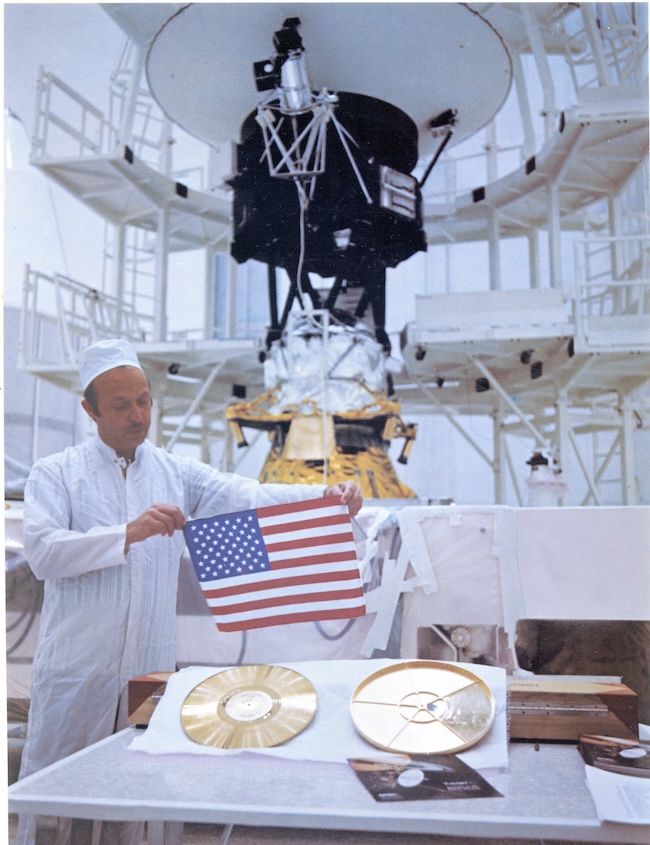
Voyager 2 launched 49 years ago
NASA launched the phenomenal Voyager 2 space probe to the outer solar system on August 20, 1977. Voyager 2 went up some weeks before its twin craft, Voyager 1, which moved faster and eventually passed it.
Later, Voyager 1 became the first spacecraft to leave the solar system in August 2012. It is now the most distant human-made object from Earth. In fact, on November 18, 2026, Voyager 1 spacecraft will be 16,094,799,096 miles (25,902,068,356 kilometers) away from Earth. That’s the distance light travels in 24 hours, also known as one light-day.
Voyager 2 left the solar system in November 2018. So both Voyagers are now in interstellar space. Voyager 2 was left flying solo for seven months in 2020 while repairs were made to the radio antenna that commands it. The only radio antenna that can command the space probe – the Deep Space Station 43 (DSS43) antenna in Canberra, Australia – was then offline during the repairs. After the completion of the repairs, communications were restored.
Today, transmissions from Voyager 2 are faint and travel a long distance. But the craft still transmits and receives data via NASA’s Deep Space Network. Scientists believe it will be able to continue communications through 2027.
Where are Voyager 1 and 2 now?
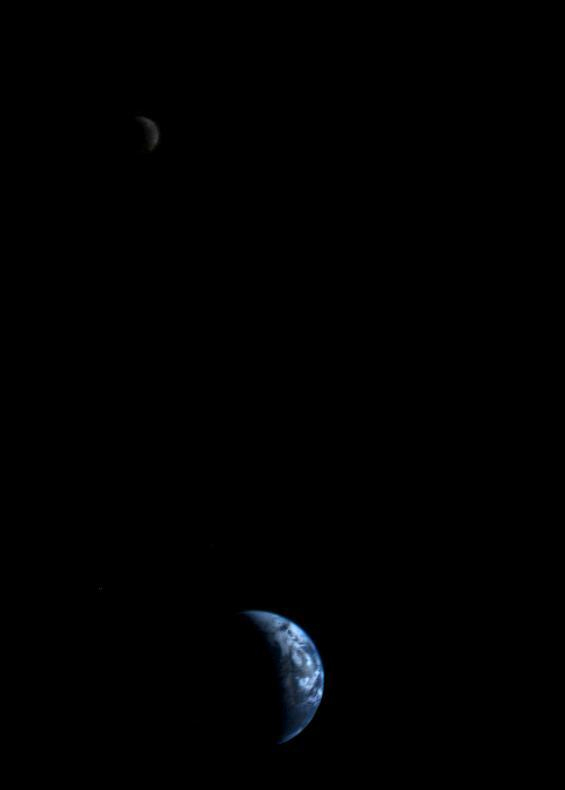
Voyager 2 is the only spacecraft to visit all 4 gas giant planets
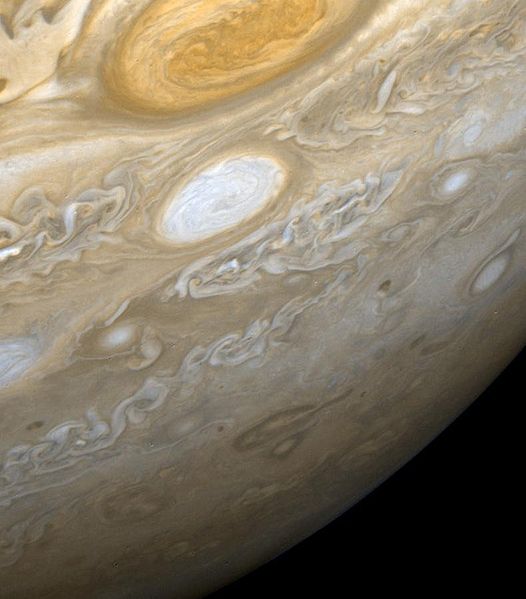
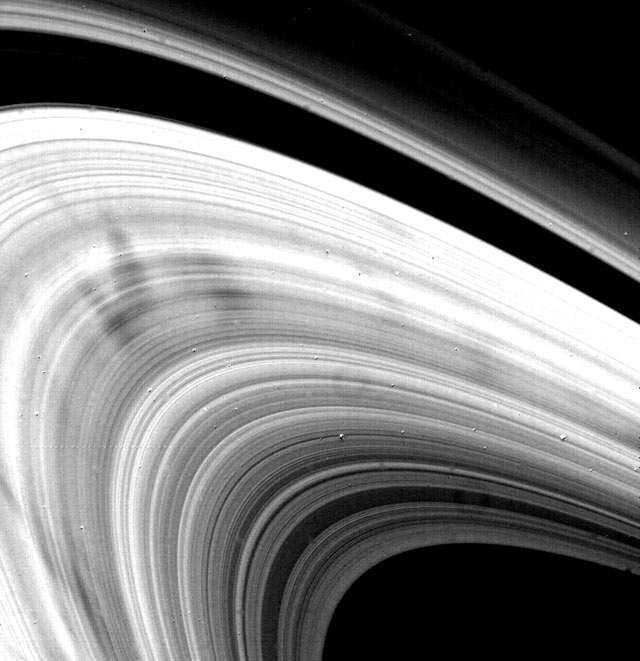
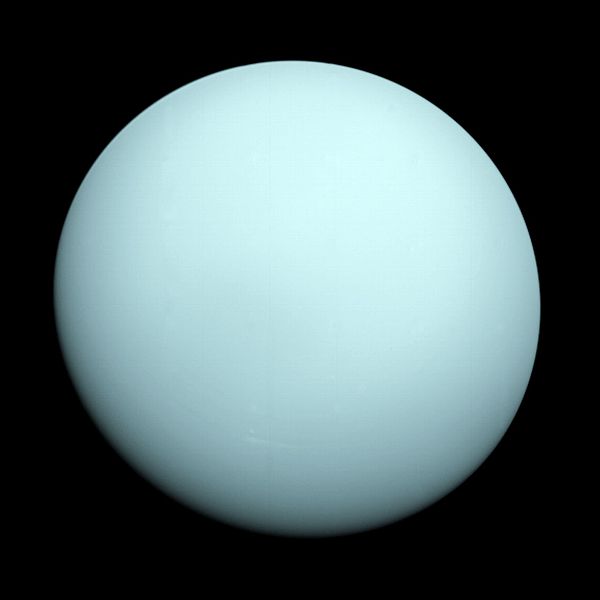
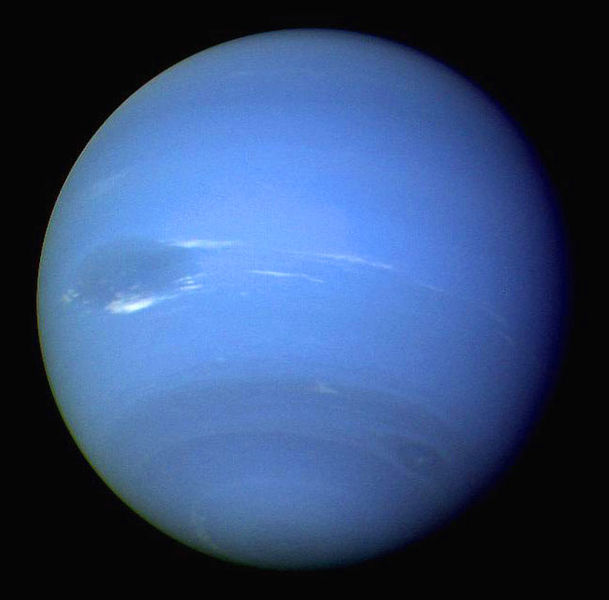
The Grand Tour was a phenomenal success
Initially, NASA conceived of the Voyager mission in the 1960s as a planetary Grand Tour to study the outer planets. The fact that all four outer planets would be, temporarily, within one quadrant of the solar system around the decade of the 1980s inspired the idea. However, funding difficulties intervened, and for a time it appeared the Grand Tour would never be realized.
Ultimately, Voyager 2’s launch took advantage not only of this particular configuration of planets, but also of a new technique called a gravity assist. By using the gravity of planets for propulsion and direction, this technique let the craft visit all four outer planets (Jupiter, Saturn, Uranus and Neptune), while requiring a minimal amount of propellant and less time traveling between planets.
The plan hinged on whether Voyager 1 would be able to perform a successful flyby of Saturn’s large and intriguing moon Titan. Of course Voyager 1 succeeded, and Voyager 2 got the go-ahead to travel on toward Uranus and Neptune, ultimately realizing the vision of the planetary Grand Tour.
Voyager 2 remains the only craft from Earth to have visited Uranus and Neptune.
Bottom line: The phenomenal Voyager 2 spacecraft launched on August 20, 1977. It ultimately visited all four outer planets – Jupiter, Saturn, Uranus and Neptune – and remains the only craft from Earth to have done so.
Read more: Voyager 2 sends back insights on interstellar space
The post Voyager 2 spacecraft launched 49 years ago today first appeared on EarthSky.
from EarthSky https://ift.tt/hiwnzKE
Voyager 2 launched 49 years ago
NASA launched the phenomenal Voyager 2 space probe to the outer solar system on August 20, 1977. Voyager 2 went up some weeks before its twin craft, Voyager 1, which moved faster and eventually passed it.
Later, Voyager 1 became the first spacecraft to leave the solar system in August 2012. It is now the most distant human-made object from Earth. In fact, on November 18, 2026, Voyager 1 spacecraft will be 16,094,799,096 miles (25,902,068,356 kilometers) away from Earth. That’s the distance light travels in 24 hours, also known as one light-day.
Voyager 2 left the solar system in November 2018. So both Voyagers are now in interstellar space. Voyager 2 was left flying solo for seven months in 2020 while repairs were made to the radio antenna that commands it. The only radio antenna that can command the space probe – the Deep Space Station 43 (DSS43) antenna in Canberra, Australia – was then offline during the repairs. After the completion of the repairs, communications were restored.
Today, transmissions from Voyager 2 are faint and travel a long distance. But the craft still transmits and receives data via NASA’s Deep Space Network. Scientists believe it will be able to continue communications through 2027.
Where are Voyager 1 and 2 now?
Voyager 2 is the only spacecraft to visit all 4 gas giant planets
The Grand Tour was a phenomenal success
Initially, NASA conceived of the Voyager mission in the 1960s as a planetary Grand Tour to study the outer planets. The fact that all four outer planets would be, temporarily, within one quadrant of the solar system around the decade of the 1980s inspired the idea. However, funding difficulties intervened, and for a time it appeared the Grand Tour would never be realized.
Ultimately, Voyager 2’s launch took advantage not only of this particular configuration of planets, but also of a new technique called a gravity assist. By using the gravity of planets for propulsion and direction, this technique let the craft visit all four outer planets (Jupiter, Saturn, Uranus and Neptune), while requiring a minimal amount of propellant and less time traveling between planets.
The plan hinged on whether Voyager 1 would be able to perform a successful flyby of Saturn’s large and intriguing moon Titan. Of course Voyager 1 succeeded, and Voyager 2 got the go-ahead to travel on toward Uranus and Neptune, ultimately realizing the vision of the planetary Grand Tour.
Voyager 2 remains the only craft from Earth to have visited Uranus and Neptune.
Bottom line: The phenomenal Voyager 2 spacecraft launched on August 20, 1977. It ultimately visited all four outer planets – Jupiter, Saturn, Uranus and Neptune – and remains the only craft from Earth to have done so.
Read more: Voyager 2 sends back insights on interstellar space
The post Voyager 2 spacecraft launched 49 years ago today first appeared on EarthSky.
from EarthSky https://ift.tt/hiwnzKE

Aucun commentaire:
Enregistrer un commentaire