
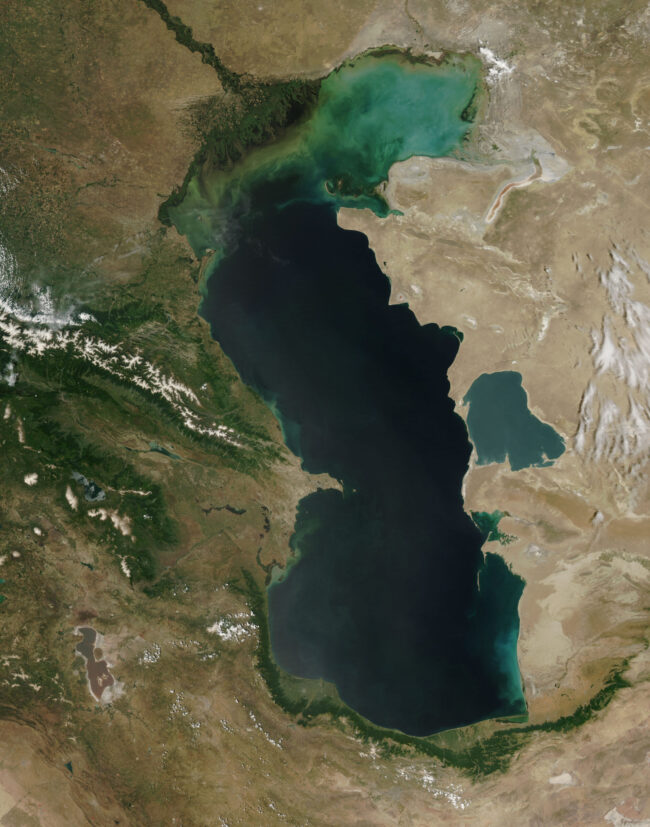
The Caspian Sea – Earth’s largest inland sea – is shrinking
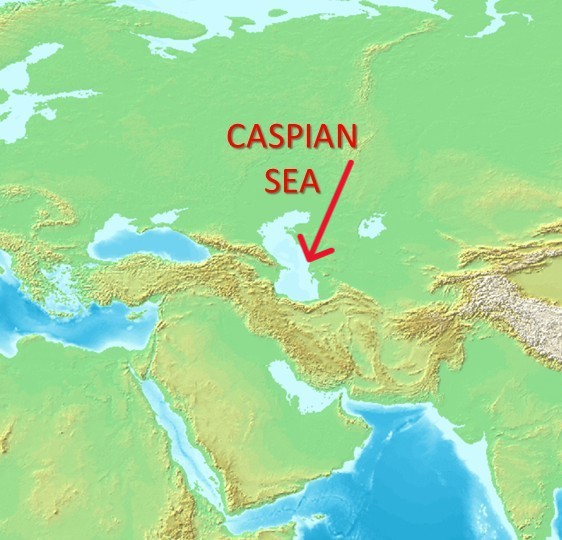
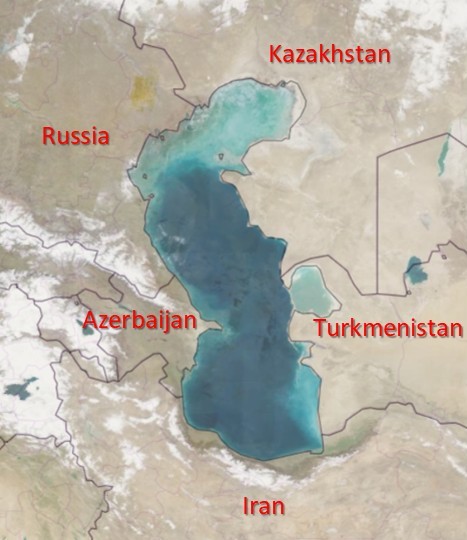
The Caspian Sea is the world’s largest inland sea when measured by surface area. It spans 143,200 square miles (371,000 square km), or about the size of Japan. And it sits on the boundary of Asia and Europe, with five countries sharing its borders: Russia and Azerbaijan on the European side and Iran, Turkmenistan and Kazakhstan on the Asian side.
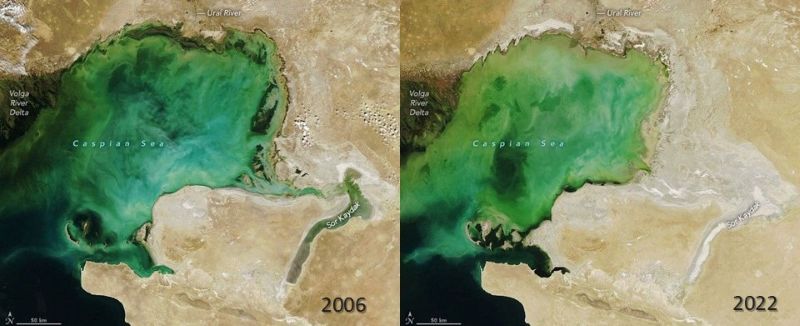
But the Caspian Sea is shrinking. The sea has been receding since the 1990s in fact, especially in its northern regions, but the reasons for this have poorly understood. Now, a new study by an international team of researchers has taken a closer look at the stresses this important body of water is under. They found that the Caspian Sea’s decline is largely being driven by reduced river inflow, especially from Russia’s Volga river. And both climate change and human activity appear to blame.
The American Geophysical Union said on June 18, 2026, that:
saving it will require international action.
The researchers published their peer-reviewed study in the journal Earth’s Future on June 5, 2026.
A better understanding of an unfolding disaster
Even though the Caspian Sea has been shrinking since the 1990s, the reasons behind the water drying up have not been well understood. So an international team of researchers, led by Jesse Duku of UC Irvine, looked at satellite observations, river flow records and climate data for a better understanding.
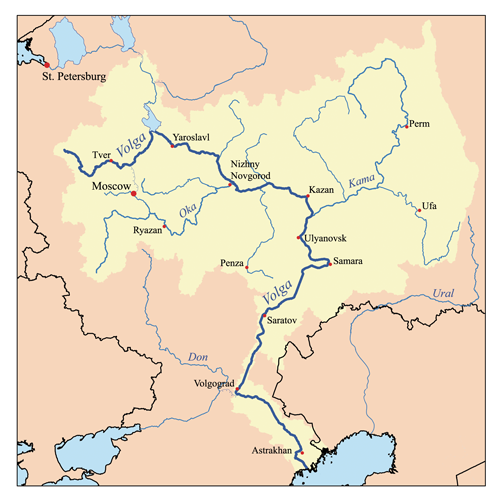
They found that precipitation across the region has remained largely unchanged since the early 1990s. However, evaporation from the sea’s surface has increased. But this only accounts for about 37% to 40% of the observed water loss. Instead, the biggest change has been a decline in river inflow. In particular, Russia’s Volga River – which supplies most of the Caspian Sea’s freshwater – has experienced a substantial decrease in inflow.
And, according to the study, the total inflow from the sea’s five major rivers fell significantly between 1991 and 2020. The researchers said the findings point to not just climate influences but to human activities. In fact, they found that water consumption and river regulation seem to be playing a larger role than scientists previously recognized.
How much water is the Caspian Sea losing? Why is that important?
Since the mid-1990s, the Caspian Sea has lost about 5.5% of its surface area. That equals roughly 630 cubic kilometers (over 150 cubic miles) of water. And scientists project the sea could fall an additional 26 to 46 feet (8 to 14 meters) by 2100. The northern part of the Caspian Sea is already naturally shallow. And this is the region that has been especially vulnerable to falling water levels.
The researchers detected rising concentrations of chlorophyll-a in the northern Caspian. Scientists use this form of chlorophyll to measure the amount of algae and cyanobacteria, and the measurements suggest the waters are feeling an increase in ecological stress.
The Caspian Sea supports more than 850 endemic species, or species that are only found there. The species include the critically endangered Caspian seal and several species of sturgeon. Those sturgeon are the source of 90% of the world’s black caviar. Declining water levels also threaten wetlands, fish spawning grounds and coastal ecosystems.
But the impacts extend beyond wildlife. The Caspian Sea is vital for fisheries, trade and industry across the region. Lower water levels can disrupt ports and shipping routes. The study also said:
In addition, the Caspian Sea is a major hotspot for the oil and gas industry, where approximately 1 million tons of oil are estimated to leak into the sea annually. These combined pressures raise concerns about how hydrological shifts and human activities may influence water quality and ecosystem functioning.
The study’s authors warned that without coordinated management among the five nations bordering the sea, the region could face growing environmental and economic challenges.
How does this compare to the Aral Sea?
In the study, the authors compare the shrinking of the Caspian Sea to the Aral Sea. The Aral Sea is another large inland body of water in Central Asia. The Aral Sea once covered about 26,000 square miles (68,000 square km), making it the world’s 4th-largest lake. But beginning in the 1960s, Soviet irrigation projects diverted much of the water from the rivers that fed it. As a result, the Aral Sea lost about 90% of its volume over the following decades and split into several smaller lakes.
The Caspian Sea’s situation is not as severe. It remains far larger than the Aral Sea ever was, and scientists do not expect it to disappear. But both water bodies share a common challenge: reduced river inflow. In the Caspian Sea, declining flows from the Volga River and other tributaries, combined with rising evaporation linked to a warming climate, are contributing to falling water levels. Researchers said the comparison serves as a warning that human management of water resources can have long-lasting consequences for inland seas and the communities that depend on them.
They concluded that preventing further decline will require greater cooperation among Azerbaijan, Iran, Kazakhstan, Russia and Turkmenistan. Improved water management, better data sharing and policies that protect river inflows could help preserve the sea’s ecosystems and economies for future generations.
Bottom line: A new study finds that the Caspian Sea’s decline is being driven by both climate change and human activity. Reduced river inflow, especially from the Volga River, appears to be a major factor behind the shrinking of Earth’s largest inland sea.
Read more: Will Lake Mead – largest US reservoir – reach record lows?
The post The Caspian Sea – Earth’s largest inland sea – is shrinking first appeared on EarthSky.
from EarthSky https://ift.tt/d6aiuWz
The Caspian Sea – Earth’s largest inland sea – is shrinking
The Caspian Sea is the world’s largest inland sea when measured by surface area. It spans 143,200 square miles (371,000 square km), or about the size of Japan. And it sits on the boundary of Asia and Europe, with five countries sharing its borders: Russia and Azerbaijan on the European side and Iran, Turkmenistan and Kazakhstan on the Asian side.
But the Caspian Sea is shrinking. The sea has been receding since the 1990s in fact, especially in its northern regions, but the reasons for this have poorly understood. Now, a new study by an international team of researchers has taken a closer look at the stresses this important body of water is under. They found that the Caspian Sea’s decline is largely being driven by reduced river inflow, especially from Russia’s Volga river. And both climate change and human activity appear to blame.
The American Geophysical Union said on June 18, 2026, that:
saving it will require international action.
The researchers published their peer-reviewed study in the journal Earth’s Future on June 5, 2026.
A better understanding of an unfolding disaster
Even though the Caspian Sea has been shrinking since the 1990s, the reasons behind the water drying up have not been well understood. So an international team of researchers, led by Jesse Duku of UC Irvine, looked at satellite observations, river flow records and climate data for a better understanding.
They found that precipitation across the region has remained largely unchanged since the early 1990s. However, evaporation from the sea’s surface has increased. But this only accounts for about 37% to 40% of the observed water loss. Instead, the biggest change has been a decline in river inflow. In particular, Russia’s Volga River – which supplies most of the Caspian Sea’s freshwater – has experienced a substantial decrease in inflow.
And, according to the study, the total inflow from the sea’s five major rivers fell significantly between 1991 and 2020. The researchers said the findings point to not just climate influences but to human activities. In fact, they found that water consumption and river regulation seem to be playing a larger role than scientists previously recognized.
How much water is the Caspian Sea losing? Why is that important?
Since the mid-1990s, the Caspian Sea has lost about 5.5% of its surface area. That equals roughly 630 cubic kilometers (over 150 cubic miles) of water. And scientists project the sea could fall an additional 26 to 46 feet (8 to 14 meters) by 2100. The northern part of the Caspian Sea is already naturally shallow. And this is the region that has been especially vulnerable to falling water levels.
The researchers detected rising concentrations of chlorophyll-a in the northern Caspian. Scientists use this form of chlorophyll to measure the amount of algae and cyanobacteria, and the measurements suggest the waters are feeling an increase in ecological stress.
The Caspian Sea supports more than 850 endemic species, or species that are only found there. The species include the critically endangered Caspian seal and several species of sturgeon. Those sturgeon are the source of 90% of the world’s black caviar. Declining water levels also threaten wetlands, fish spawning grounds and coastal ecosystems.
But the impacts extend beyond wildlife. The Caspian Sea is vital for fisheries, trade and industry across the region. Lower water levels can disrupt ports and shipping routes. The study also said:
In addition, the Caspian Sea is a major hotspot for the oil and gas industry, where approximately 1 million tons of oil are estimated to leak into the sea annually. These combined pressures raise concerns about how hydrological shifts and human activities may influence water quality and ecosystem functioning.
The study’s authors warned that without coordinated management among the five nations bordering the sea, the region could face growing environmental and economic challenges.
How does this compare to the Aral Sea?
In the study, the authors compare the shrinking of the Caspian Sea to the Aral Sea. The Aral Sea is another large inland body of water in Central Asia. The Aral Sea once covered about 26,000 square miles (68,000 square km), making it the world’s 4th-largest lake. But beginning in the 1960s, Soviet irrigation projects diverted much of the water from the rivers that fed it. As a result, the Aral Sea lost about 90% of its volume over the following decades and split into several smaller lakes.
The Caspian Sea’s situation is not as severe. It remains far larger than the Aral Sea ever was, and scientists do not expect it to disappear. But both water bodies share a common challenge: reduced river inflow. In the Caspian Sea, declining flows from the Volga River and other tributaries, combined with rising evaporation linked to a warming climate, are contributing to falling water levels. Researchers said the comparison serves as a warning that human management of water resources can have long-lasting consequences for inland seas and the communities that depend on them.
They concluded that preventing further decline will require greater cooperation among Azerbaijan, Iran, Kazakhstan, Russia and Turkmenistan. Improved water management, better data sharing and policies that protect river inflows could help preserve the sea’s ecosystems and economies for future generations.
Bottom line: A new study finds that the Caspian Sea’s decline is being driven by both climate change and human activity. Reduced river inflow, especially from the Volga River, appears to be a major factor behind the shrinking of Earth’s largest inland sea.
Read more: Will Lake Mead – largest US reservoir – reach record lows?
The post The Caspian Sea – Earth’s largest inland sea – is shrinking first appeared on EarthSky.
from EarthSky https://ift.tt/d6aiuWz

Aucun commentaire:
Enregistrer un commentaire