
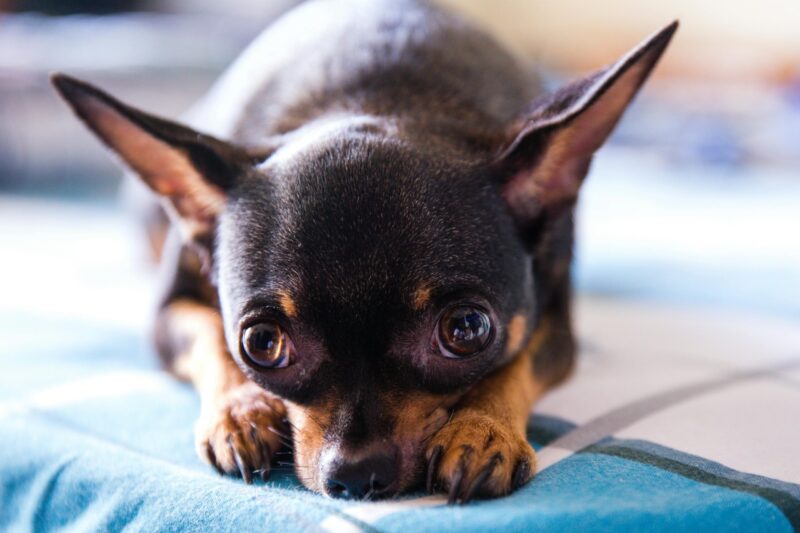
- Most dogs have some wolf ancestry because people cross-bred dogs with wolves after domestication.
- Many larger dogs and working dogs have more wolf ancestry, while some breeds have no detectable levels.
- Wolf genes help dogs adapt to different environments, but scientists are still studying how these genes relate to dog behavior.
The 2026 EarthSky lunar calendar makes a great gift. Get yours today!
Most dogs got another dose of wolf ancestry after domestication
About 20,000 years ago, humans domesticated a now-extinct population of gray wolves (Canis lupus). And that’s how Canis lupus familiaris came to be the dog breeds and mutts we know and love today. Scientists at the American Museum of Natural History said on November 23, 2025, that most dogs have some detectable level of post-domestication wolf ancestry. In other words, after humans domesticated dogs, they went on to cross-breed some dogs with wolves, presumably to develop new traits.
The scientists also said that 64.1% of modern dog breeds have wolf ancestry that humans introduced nearly a thousand (dog) generations ago. They obtained these results from a detailed study of 2,693 genomes of wolves, dog breeds and free-ranging village dogs.
The paper’s lead author, Audrey Lin of the American Museum of Natural History, said:
Modern dogs, especially pet dogs, can seem so removed from wolves, which are often demonized. But there are some characteristics that may have come from wolves that we greatly value in dogs today and that we choose to keep in their lineage. This is a study about dogs, but in a lot of ways, it’s telling us about wolves.
The researchers published their findings in the peer-reviewed journal Proceedings of the National Academy of Sciences on November 24, 2025.
Wolf ancestry levels vary across dogs
Until now, there had been very little information about the amount of wolf ancestry in modern dogs. Lin said:
Prior to this study, the leading science seemed to suggest that in order for a dog to be a dog, there can’t be very much wolf DNA present, if any. But we found if you look very closely in modern dog genomes, wolf is there. This suggests that dog genomes can ‘tolerate’ wolf DNA up to an unknown level and still remain the dogs we know and love.
The data revealed several patterns. For instance, the scientists found that larger dogs had higher wolf ancestry levels. However, there were exceptions: Neapolitan mastiff, bullmastiff and the St. Bernard had no detectable wolf genes. Other dogs with higher levels of wolf ancestry were working dogs like sled dogs, indigenous (or “pariah”) dogs and hunting dogs.
Meanwhile, terriers, gun dogs and scent hounds had the lowest amount of wolf ancestry.
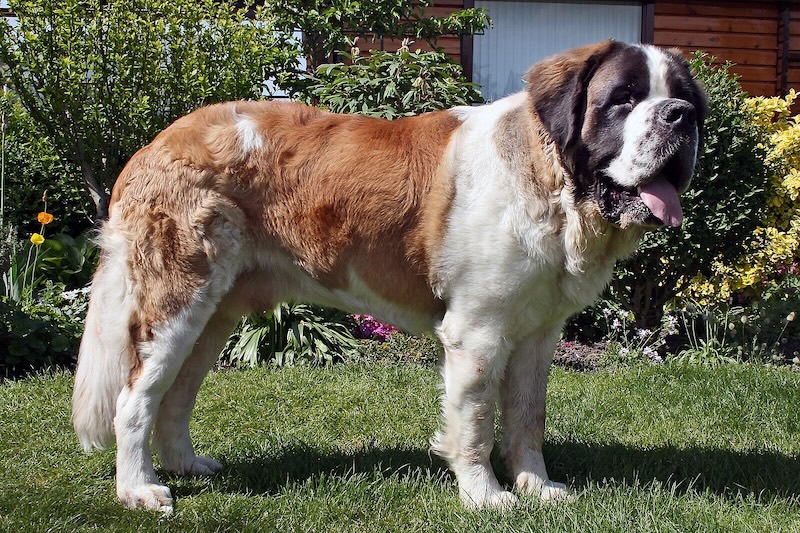
Even the Chihuahua has a bit of wolf
There are some dogs you would not expect to have wolf ancestry that do. The diminutive Chihuahua, for instance, has 0.2%.
Lin commented:
This completely makes sense to anyone who owns a chihuahua. And what we’ve found is that this is the norm — most dogs are a little bit wolfy.
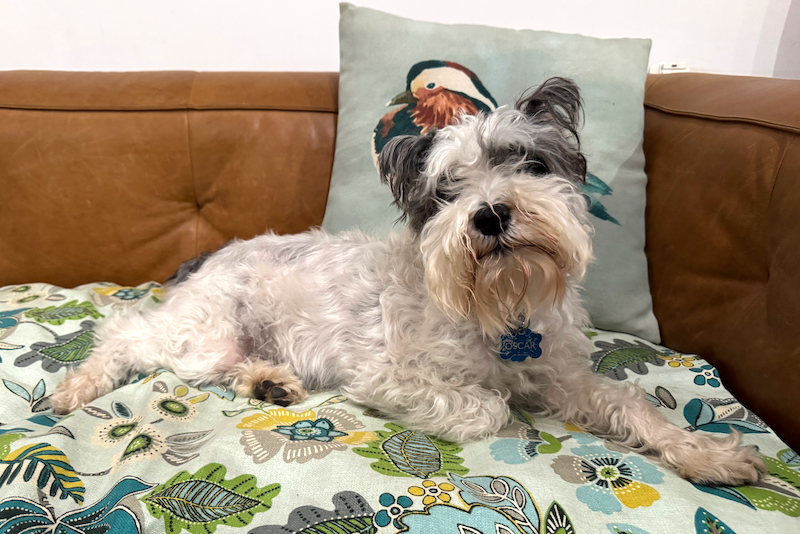
Some dogs have large amounts of wolf ancestry. For instance, Saarloos and Czechoslovakian wolfdogs have 23% to 40% wolf ancestry in their genomes. These breeds arose in the 1930s and 1950s, respectively.
In addition, the Anglo-French tricolor hound has unexpected levels of wolf ancestry in its genome, about 4.7% to 5.7%. This finding surprised the scientists.
Among other dogs with somewhat high wolf ancestry levels are the wolf-looking Tamaskan, a United Kingdom breed from the 1980s that originated from huskies, malamutes and other breeds. Also, the Shiloh shepherd, a variety of German shepherd bred in the United States in the latter half of the 20th century, has 2.7% wolf ancestry.
The advantages of wolf genes
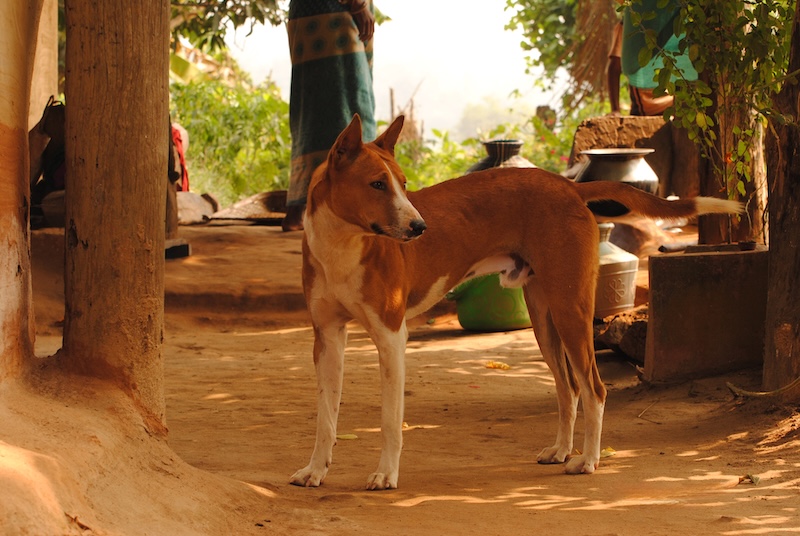
Wolf genes have given some dog breeds the ability to adapt to specific conditions. For instance, free-ranging village dogs, like the INDog, all of which have wolf ancestry, inherited the wolf’s exceptional olfactory receptor genes that enables them to sniff out human food waste.
Moreover, genes from Tibetan wolves give Tibetan mastiffs the capability to survive in low oxygen at high altitudes in the Tibetan Plateau and Himalayas.
Paper co-author Logan Kistler at the National Museum of Natural History said:
Dogs are our buddies, but apparently wolves have been a big part of shaping them into the companions we know and love today. Through the years, dogs have had to solve all kinds of evolutionary problems that come with living with humans, whether it’s surviving at high altitude, searching for their next meal as they freely roam a village, or protecting the herd, and it seems like they use wolf genes as part of a toolkit to continue their evolutionary success story.
Do wolf genes explain some traits we see in dogs?
In kennel clubs, dog personality traits are often compared to wolves. For instance, dogs that are eager to please, easy to train, affectionate, lively and courageous are associated with low wolf ancestry levels. On the other hand, some people regard independent, dignified, alert, reserved, loyal dogs that are suspicious of strangers as high wolf ancestry dogs.
However, people also associate both dog types with intelligence, obedience, dedication, calmness and cheerfulness, as well as being good with children.
The scientists said that such traits are based on how the dogs behave. They have not determined if those characteristics correlate with the level of wolf ancestry in the breeds. But, they said, they would like to investigate this in future research.
Bottom line: Scientists found that many dog breeds have some wolf DNA added after wolves were first domesticated into dogs about 20,000 years ago.
Source: A legacy of genetic entanglement with wolves shapes modern dogs
Via American Museum of Natural History
Read more: Are dogs a good judge of character? New study says maybe not
The post Most dogs still have a little wolf in them first appeared on EarthSky.
from EarthSky https://ift.tt/s6JbqQX
- Most dogs have some wolf ancestry because people cross-bred dogs with wolves after domestication.
- Many larger dogs and working dogs have more wolf ancestry, while some breeds have no detectable levels.
- Wolf genes help dogs adapt to different environments, but scientists are still studying how these genes relate to dog behavior.
The 2026 EarthSky lunar calendar makes a great gift. Get yours today!
Most dogs got another dose of wolf ancestry after domestication
About 20,000 years ago, humans domesticated a now-extinct population of gray wolves (Canis lupus). And that’s how Canis lupus familiaris came to be the dog breeds and mutts we know and love today. Scientists at the American Museum of Natural History said on November 23, 2025, that most dogs have some detectable level of post-domestication wolf ancestry. In other words, after humans domesticated dogs, they went on to cross-breed some dogs with wolves, presumably to develop new traits.
The scientists also said that 64.1% of modern dog breeds have wolf ancestry that humans introduced nearly a thousand (dog) generations ago. They obtained these results from a detailed study of 2,693 genomes of wolves, dog breeds and free-ranging village dogs.
The paper’s lead author, Audrey Lin of the American Museum of Natural History, said:
Modern dogs, especially pet dogs, can seem so removed from wolves, which are often demonized. But there are some characteristics that may have come from wolves that we greatly value in dogs today and that we choose to keep in their lineage. This is a study about dogs, but in a lot of ways, it’s telling us about wolves.
The researchers published their findings in the peer-reviewed journal Proceedings of the National Academy of Sciences on November 24, 2025.
Wolf ancestry levels vary across dogs
Until now, there had been very little information about the amount of wolf ancestry in modern dogs. Lin said:
Prior to this study, the leading science seemed to suggest that in order for a dog to be a dog, there can’t be very much wolf DNA present, if any. But we found if you look very closely in modern dog genomes, wolf is there. This suggests that dog genomes can ‘tolerate’ wolf DNA up to an unknown level and still remain the dogs we know and love.
The data revealed several patterns. For instance, the scientists found that larger dogs had higher wolf ancestry levels. However, there were exceptions: Neapolitan mastiff, bullmastiff and the St. Bernard had no detectable wolf genes. Other dogs with higher levels of wolf ancestry were working dogs like sled dogs, indigenous (or “pariah”) dogs and hunting dogs.
Meanwhile, terriers, gun dogs and scent hounds had the lowest amount of wolf ancestry.
Even the Chihuahua has a bit of wolf
There are some dogs you would not expect to have wolf ancestry that do. The diminutive Chihuahua, for instance, has 0.2%.
Lin commented:
This completely makes sense to anyone who owns a chihuahua. And what we’ve found is that this is the norm — most dogs are a little bit wolfy.
Some dogs have large amounts of wolf ancestry. For instance, Saarloos and Czechoslovakian wolfdogs have 23% to 40% wolf ancestry in their genomes. These breeds arose in the 1930s and 1950s, respectively.
In addition, the Anglo-French tricolor hound has unexpected levels of wolf ancestry in its genome, about 4.7% to 5.7%. This finding surprised the scientists.
Among other dogs with somewhat high wolf ancestry levels are the wolf-looking Tamaskan, a United Kingdom breed from the 1980s that originated from huskies, malamutes and other breeds. Also, the Shiloh shepherd, a variety of German shepherd bred in the United States in the latter half of the 20th century, has 2.7% wolf ancestry.
The advantages of wolf genes
Wolf genes have given some dog breeds the ability to adapt to specific conditions. For instance, free-ranging village dogs, like the INDog, all of which have wolf ancestry, inherited the wolf’s exceptional olfactory receptor genes that enables them to sniff out human food waste.
Moreover, genes from Tibetan wolves give Tibetan mastiffs the capability to survive in low oxygen at high altitudes in the Tibetan Plateau and Himalayas.
Paper co-author Logan Kistler at the National Museum of Natural History said:
Dogs are our buddies, but apparently wolves have been a big part of shaping them into the companions we know and love today. Through the years, dogs have had to solve all kinds of evolutionary problems that come with living with humans, whether it’s surviving at high altitude, searching for their next meal as they freely roam a village, or protecting the herd, and it seems like they use wolf genes as part of a toolkit to continue their evolutionary success story.
Do wolf genes explain some traits we see in dogs?
In kennel clubs, dog personality traits are often compared to wolves. For instance, dogs that are eager to please, easy to train, affectionate, lively and courageous are associated with low wolf ancestry levels. On the other hand, some people regard independent, dignified, alert, reserved, loyal dogs that are suspicious of strangers as high wolf ancestry dogs.
However, people also associate both dog types with intelligence, obedience, dedication, calmness and cheerfulness, as well as being good with children.
The scientists said that such traits are based on how the dogs behave. They have not determined if those characteristics correlate with the level of wolf ancestry in the breeds. But, they said, they would like to investigate this in future research.
Bottom line: Scientists found that many dog breeds have some wolf DNA added after wolves were first domesticated into dogs about 20,000 years ago.
Source: A legacy of genetic entanglement with wolves shapes modern dogs
Via American Museum of Natural History
Read more: Are dogs a good judge of character? New study says maybe not
The post Most dogs still have a little wolf in them first appeared on EarthSky.
from EarthSky https://ift.tt/s6JbqQX

Aucun commentaire:
Enregistrer un commentaire