
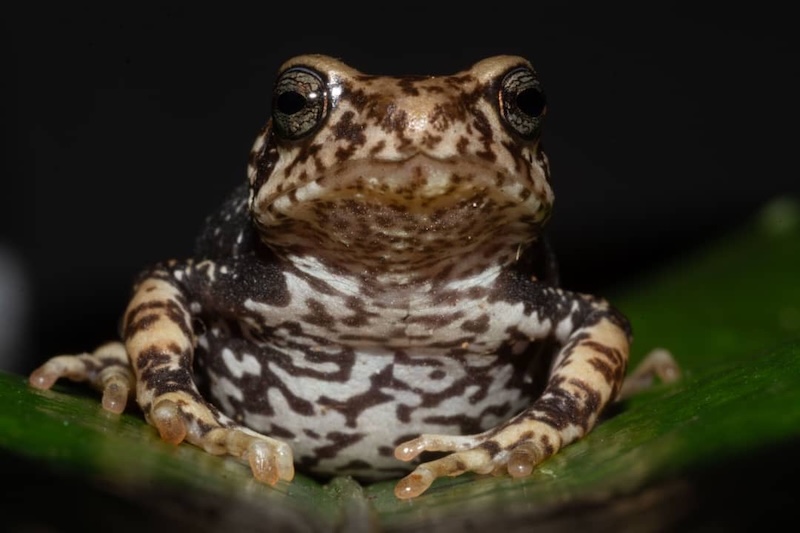
- Scientists discovered three new tree-dwelling toad species in Tanzania’s Eastern Arc Mountains that give birth to live young, skipping the tadpole stage.
- This rare reproductive strategy, seen in less than 1% of frog species, allows them to reproduce away from water.
- Researchers used DNA analysis of preserved specimens, some over 120 years old, to identify the new species, which now face threats from habitat loss and climate change.
Some frogs skip the tadpole stage
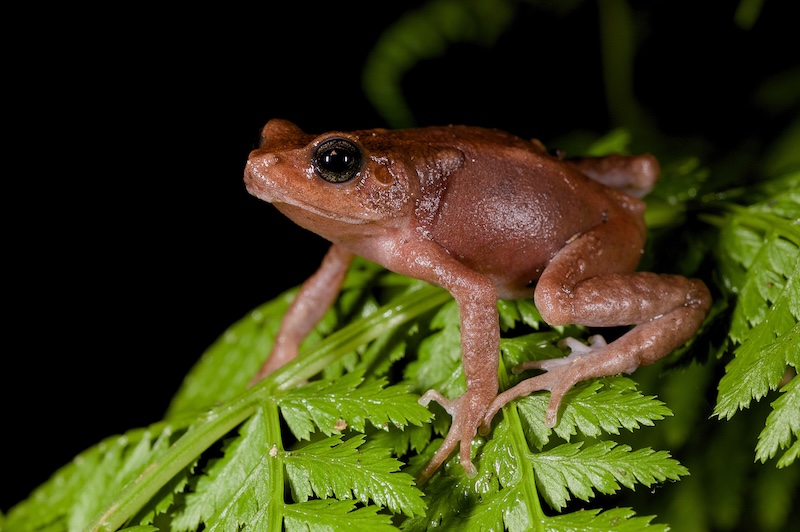
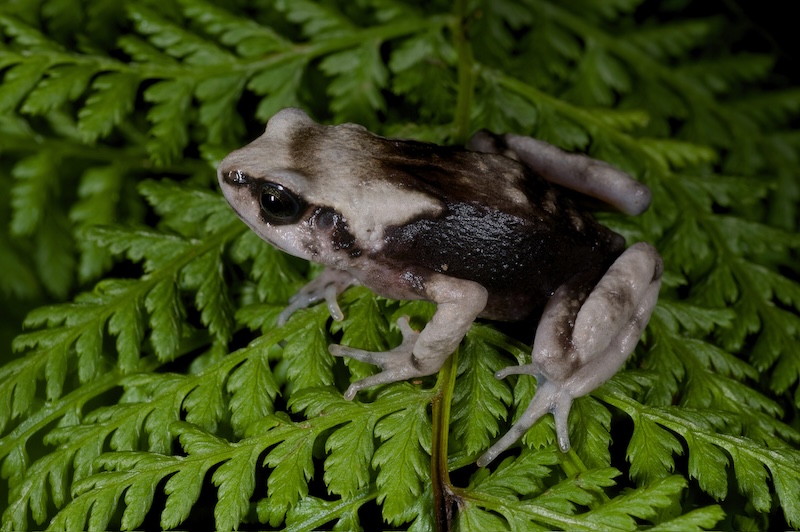
Scientists have discovered three new tree-dwelling toad species in the mountain forests of Tanzania, Africa. On November 6, 2025, researchers from the University of Copenhagen said that these toads bypass the tadpole stage and give birth to live toadlets. This reproductive strategy, which occurs in only 1% of frog species, enables these creatures to breed away from water.
Mark Scherz, at the Natural History Museum Denmark, is a co-author of a paper on this discovery. He said:
It’s common knowledge that frogs grow from tadpoles; it’s one of the classic metamorphosis paradigms in biology. But the nearly 8,000 frog species actually have a wide variety of reproductive modes, many of which don’t closely resemble that famous story.
In addition, Christoph Liedtke at the Spanish National Research Council, another paper co-author, added:
Live bearing is exceptionally rare among frogs and toads, practiced by less than 1% of frogs species, making these new species exceptionally interesting.
The researchers published their findings in the peer-reviewed journal Vertebrate Zoology on November 6, 2025.
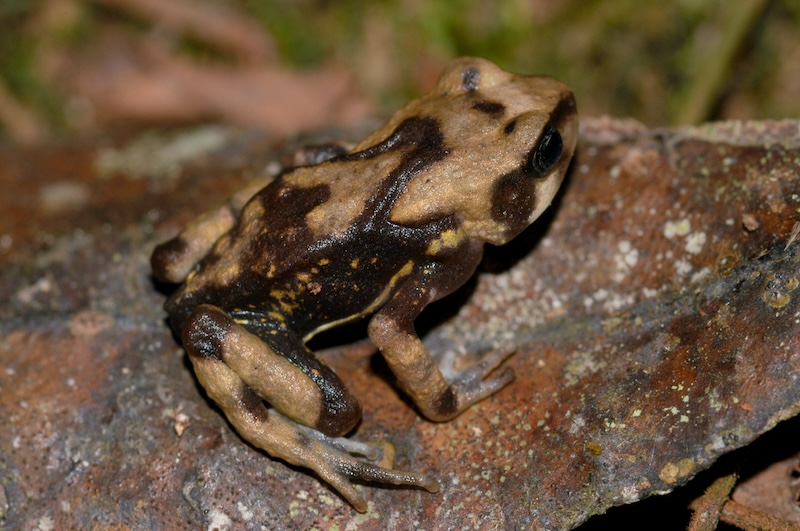
Pregnant toads
Did you know that toads are a type of frog? Most frogs lay eggs in water. Then, the eggs hatch to release tadpoles that swim in water like fish, breathing through their gills. But that phase does not last long, however. In fact, they eventually develop legs, lose their tails and can leave the water as air-breathing frogs.
The three new toad species belong to a group of African toads called Nectophrynoides, or just “tree toads.” They are found in the lush forests of the Eastern Arc Mountains in Tanzania.
However, a few frog species bypass the tadpole stage altogether. For instance, in female tree toads, egg fertilization occurs internally. The embryos develop inside their bodies, and they subsequently give birth to fully developed tiny toads. It’s an evolutionary adaptation that allows them to thrive in trees, away from bodies of water.
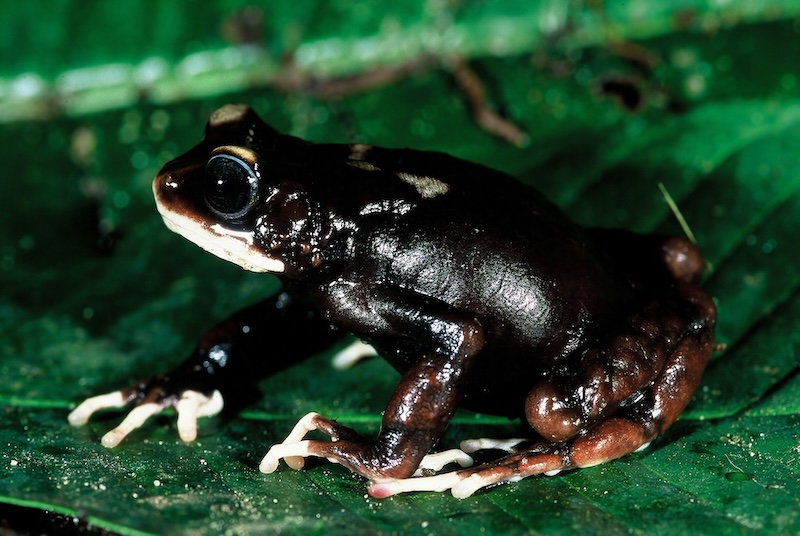
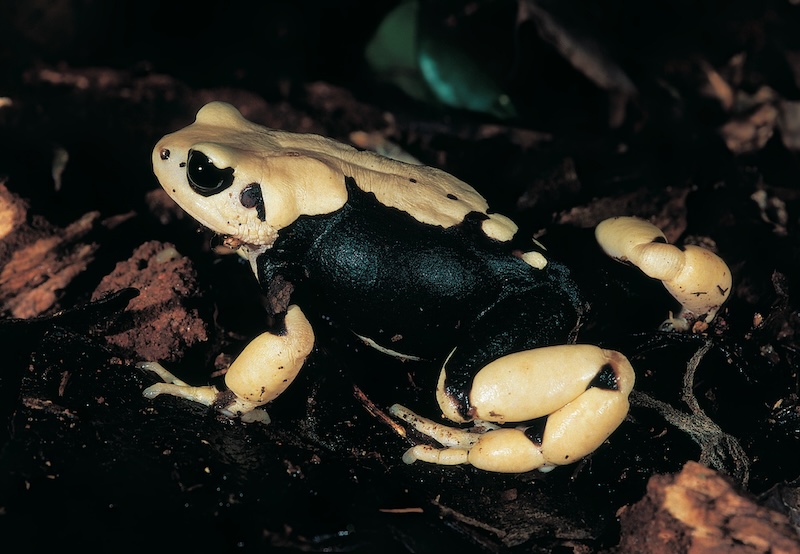
Using DNA analysis of preserved specimens to discover new toad species
Historically, scientists first learned of live-bearing tree frogs in 1905, when a German researcher, Gustav Tornier, presented a study of a toad species from Tanzania, Africa. At the time, it was the only known frog with this mode of reproduction. But now, researchers have also found similar reproductive strategies in frogs from South America and Southeast Asia.
Tornier’s frog collection is preserved at the Museum für Naturkunde in Berlin. In this new study, the scientists analyzed the DNA of these and other specimens.
Alice Petzold of the University of Potsdam is a paper co-author. She commented:
Some of these specimens were collected over 120 years ago. Our museomics work was able to reveal exactly which populations those old specimens belonged to, giving us a lot more confidence for future work on these toads.
Furthermore, the paper’s lead author, Christian Thrane at the University of Copenhagen, added:
Phylogenetic [study of evolutionary history and relationship between species] work from a few years ago had already let us know there was previously unrecognized diversity among these toads. But by traveling to different natural history museums and examining hundreds of preserved toads, I was able to get a better idea of their morphological diversity, so we could describe these new species.
The toads’ habitat is under threat
The researchers said many live-bearing tree frogs live in small, fragmented environments. And their forest homes are being threatened by deforestation, mining and climate change.
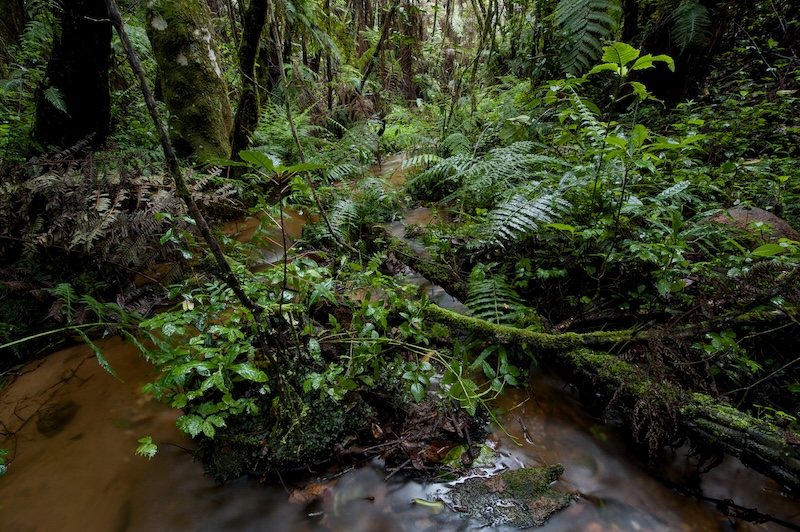
These three new species from the Eastern Arc Mountains of Tanzania are no exception. Indeed, they live in a biodiversity hotspot that is home to creatures found nowhere else on our planet.
Sadly, most tree toads are already on the brink of extinction, and their future is uncertain. John Lyakurwa, a paper co-author from the University of Dar es Salaam, Tanzania, warned:
The forests where these toads are known to occur are disappearing quickly.
Bottom line: Scientists have discovered three new tree-dwelling toad species in the mountain forests of Tanzania, Africa, that give birth to live young toadlets.
Read more: Mexican burrowing toad looks like a deflated balloon
The post Scientists discover toads that give birth to live young first appeared on EarthSky.
from EarthSky https://ift.tt/93HSW0C
- Scientists discovered three new tree-dwelling toad species in Tanzania’s Eastern Arc Mountains that give birth to live young, skipping the tadpole stage.
- This rare reproductive strategy, seen in less than 1% of frog species, allows them to reproduce away from water.
- Researchers used DNA analysis of preserved specimens, some over 120 years old, to identify the new species, which now face threats from habitat loss and climate change.
Some frogs skip the tadpole stage
Scientists have discovered three new tree-dwelling toad species in the mountain forests of Tanzania, Africa. On November 6, 2025, researchers from the University of Copenhagen said that these toads bypass the tadpole stage and give birth to live toadlets. This reproductive strategy, which occurs in only 1% of frog species, enables these creatures to breed away from water.
Mark Scherz, at the Natural History Museum Denmark, is a co-author of a paper on this discovery. He said:
It’s common knowledge that frogs grow from tadpoles; it’s one of the classic metamorphosis paradigms in biology. But the nearly 8,000 frog species actually have a wide variety of reproductive modes, many of which don’t closely resemble that famous story.
In addition, Christoph Liedtke at the Spanish National Research Council, another paper co-author, added:
Live bearing is exceptionally rare among frogs and toads, practiced by less than 1% of frogs species, making these new species exceptionally interesting.
The researchers published their findings in the peer-reviewed journal Vertebrate Zoology on November 6, 2025.
Pregnant toads
Did you know that toads are a type of frog? Most frogs lay eggs in water. Then, the eggs hatch to release tadpoles that swim in water like fish, breathing through their gills. But that phase does not last long, however. In fact, they eventually develop legs, lose their tails and can leave the water as air-breathing frogs.
The three new toad species belong to a group of African toads called Nectophrynoides, or just “tree toads.” They are found in the lush forests of the Eastern Arc Mountains in Tanzania.
However, a few frog species bypass the tadpole stage altogether. For instance, in female tree toads, egg fertilization occurs internally. The embryos develop inside their bodies, and they subsequently give birth to fully developed tiny toads. It’s an evolutionary adaptation that allows them to thrive in trees, away from bodies of water.
Using DNA analysis of preserved specimens to discover new toad species
Historically, scientists first learned of live-bearing tree frogs in 1905, when a German researcher, Gustav Tornier, presented a study of a toad species from Tanzania, Africa. At the time, it was the only known frog with this mode of reproduction. But now, researchers have also found similar reproductive strategies in frogs from South America and Southeast Asia.
Tornier’s frog collection is preserved at the Museum für Naturkunde in Berlin. In this new study, the scientists analyzed the DNA of these and other specimens.
Alice Petzold of the University of Potsdam is a paper co-author. She commented:
Some of these specimens were collected over 120 years ago. Our museomics work was able to reveal exactly which populations those old specimens belonged to, giving us a lot more confidence for future work on these toads.
Furthermore, the paper’s lead author, Christian Thrane at the University of Copenhagen, added:
Phylogenetic [study of evolutionary history and relationship between species] work from a few years ago had already let us know there was previously unrecognized diversity among these toads. But by traveling to different natural history museums and examining hundreds of preserved toads, I was able to get a better idea of their morphological diversity, so we could describe these new species.
The toads’ habitat is under threat
The researchers said many live-bearing tree frogs live in small, fragmented environments. And their forest homes are being threatened by deforestation, mining and climate change.
These three new species from the Eastern Arc Mountains of Tanzania are no exception. Indeed, they live in a biodiversity hotspot that is home to creatures found nowhere else on our planet.
Sadly, most tree toads are already on the brink of extinction, and their future is uncertain. John Lyakurwa, a paper co-author from the University of Dar es Salaam, Tanzania, warned:
The forests where these toads are known to occur are disappearing quickly.
Bottom line: Scientists have discovered three new tree-dwelling toad species in the mountain forests of Tanzania, Africa, that give birth to live young toadlets.
Read more: Mexican burrowing toad looks like a deflated balloon
The post Scientists discover toads that give birth to live young first appeared on EarthSky.
from EarthSky https://ift.tt/93HSW0C

Aucun commentaire:
Enregistrer un commentaire