See the best deep-sky photos of September 2025 here
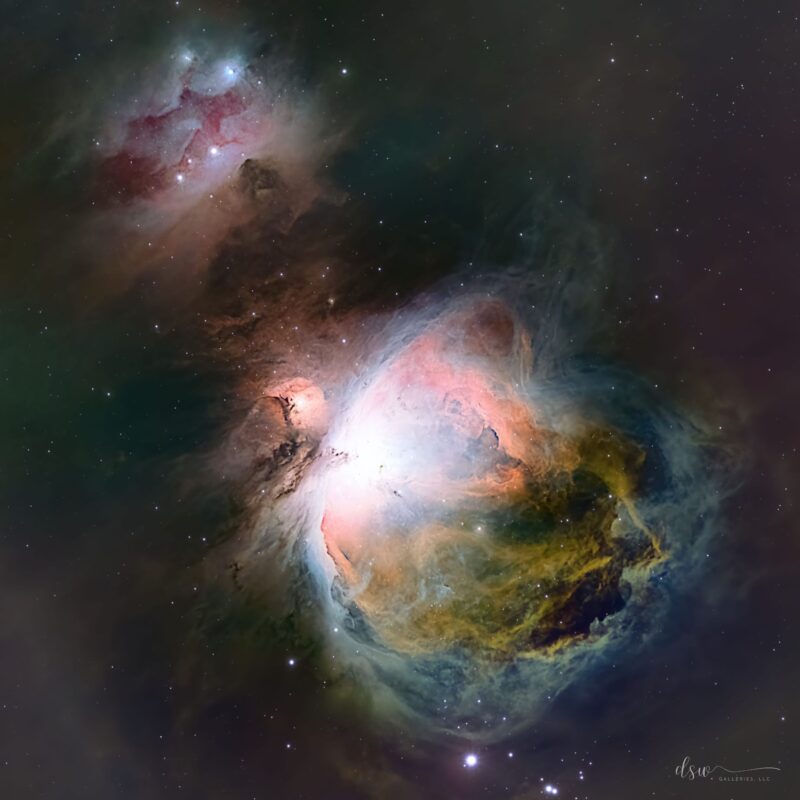
View at EarthSky Community Photos. | Jeremy Likness in Newport, Oregon, captured the Orion Nebula on September 25, 2025. Jeremy wrote: “Shot maybe my most detailed version of Orion’s sword over the past 2 nights. This is the Great Orion Nebula (M42), De Mairan’s Nebula (M43) and the Running Man Nebula (NGC 1977).” Thank you, Jeremy! See more deep-sky photos from September 2025 below.
Stunning deep-sky photos from our community
The EarthSky community has many talented astrophotographers who capture stunning images of the deep sky. We gathered some of our favorite deep-sky photos we received in September 2025 for you to enjoy. Do you have some of your own images to share? You can submit them to us here. We love to see them!
Deep-sky photos of diffuse nebulae
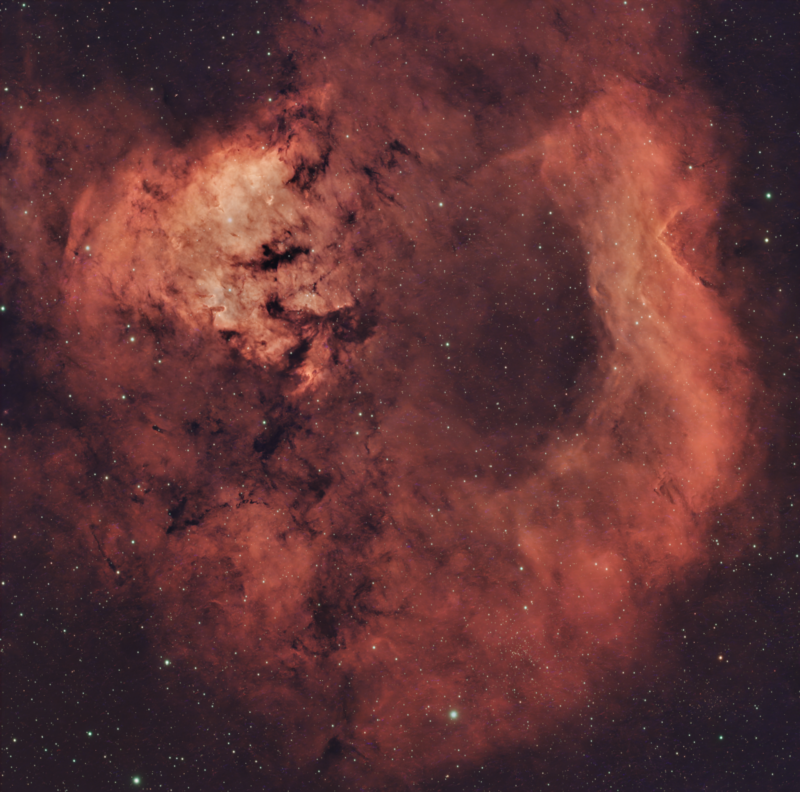
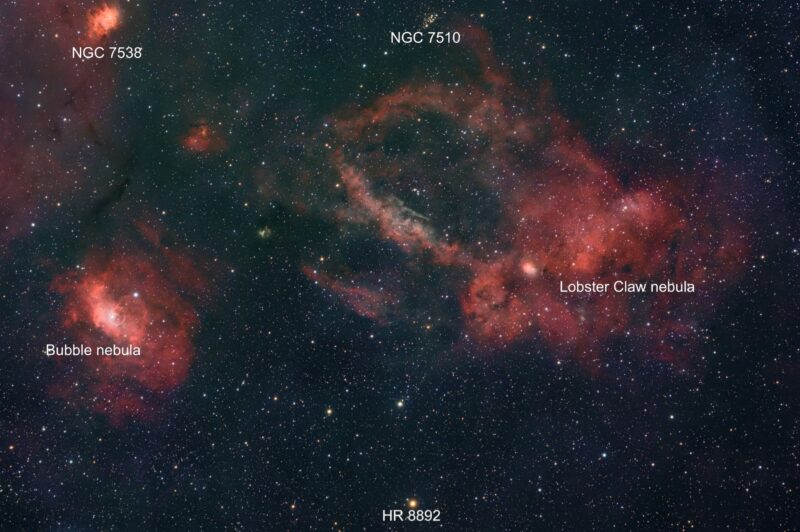
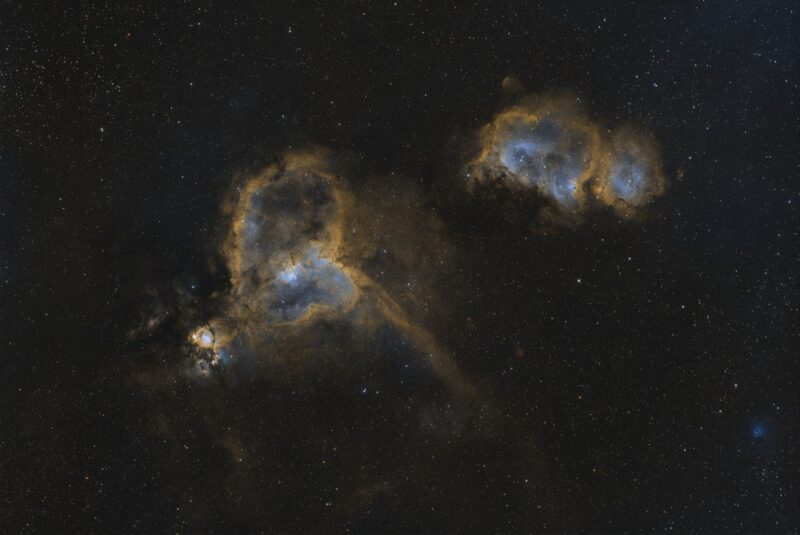
View at EarthSky Community Photos. | Kartik Kota in Wales, United Kingdom, captured nebulae NGC 7822 and Sharpless 171 on September 5, 2025. Kartik wrote: “This nebula is a vast cosmic cloud and a star-forming region in Cepheus, about 3,000 light-years away. It’s where massive stars carve intricate shapes into the surrounding gas and dust. In my image, I tried to bring out both the fine filamentary detail of the ionized gases and the deep contrast between the dark nebula and the bright emission regions.” Thank you, Kartik!View at EarthSky Community Photos. | EarthSky’s own Marcy Curran in Cheyenne, Wyoming, captured the Lobster Claw and Bubble nebulae on September 18, 2025. Marcy wrote: “The Lobster Claw is an emission nebula located in the constellation Cassiopeia, approximately 11,050 light-years from Earth. Its intricate shape is illuminated by a young, massive star at its center. The Bubble Nebula is an emission nebula in Cassiopeia, created by the stellar wind of a massive star located about 7,100 light-years away. A few other items of interest are also labeled.” Thank you, Marcy!View at EarthSky Community Photos. | Andrew Stone in Cave Creek, Arizona, captured the Pacman Nebula in Cassiopeia on September 23, 2025. Andrew wrote: “This is my first image with over 14 hours of data.” Thank you, Andrew!View at EarthSky Community Photos. | Ernest Jacobs in Eden, New York, captured the Heart and Soul nebulae in Cassiopeia on September 8, 2025. Ernest wrote: “I think the Soul Nebula (also called the Embryo Nebula) looks like a stampeding buffalo when oriented this way. I may be biased as I live near Buffalo, New York.” Thank you, Ernest!
Dark nebulae
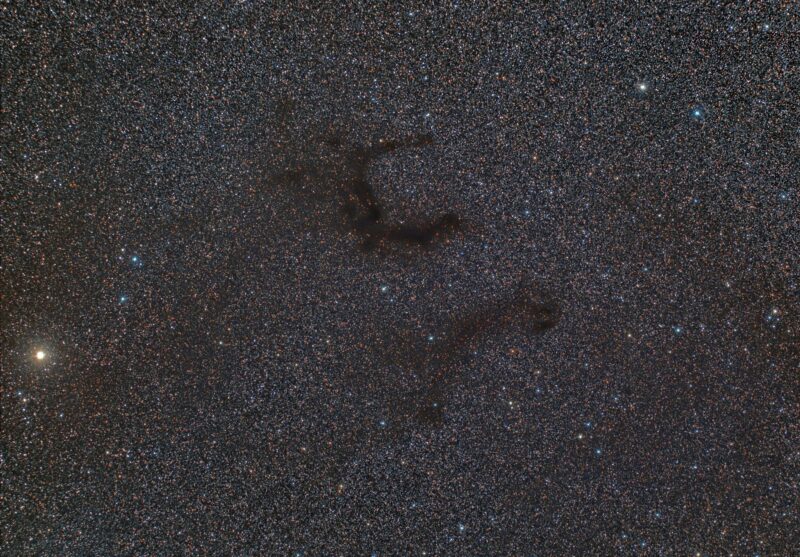
View at EarthSky Community Photos. | Egidio Vergani in Colonnata, Carrara, Italy, captured the E Nebula in Aquila on September 17, 2025. Egidio wrote: “The E Nebula is formed by 2 dark nebulae. Barnard 143 is the darker of the 2 nebulae. Its most visible part consists of 3 bars that form a sort of C-shape. Barnard 142 is located just south of B143. Dust covers thousands of stars, whose light makes the characteristic E-shape visible. It is approximately 2,000 light-years away from Earth.” Thank you, Egidio!
Deep-sky photos of planetary nebulae
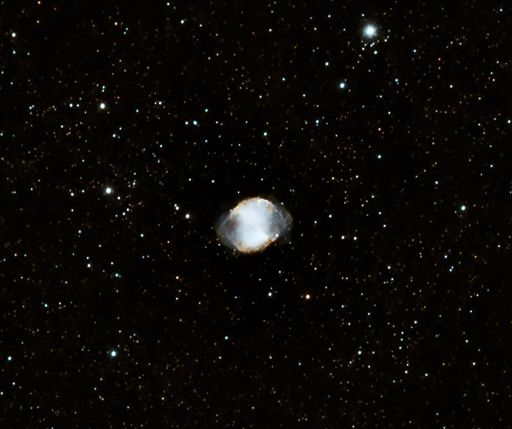
View at EarthSky Community Photos. | Andy Dungan near Cotopaxi, Colorado, captured Messier 76, the Little Dumbbell Nebula in Perseus, on September 2, 2025. Andy wrote: “This is a relatively small object especially considering it is a Messier object. It is truly amazing what we can take pics of from earth!” Thank you, Andy!View at EarthSky Community Photos. | Stéphane Picard in Quispamsis, New Brunswick, Canada, captured the Dumbbell Nebula in Vulpecula on September 16, 2025. He wrote: “The Dumbbell Nebula is a planetary nebula caused by a dying star almost 10,000 years ago. It is ionized gas from the stars escaping the outer shell. M27 is about 1,350 light-years away and measures nearly 1.5 light-years across.” Thank you, Stéphane!
Supernovae remnants
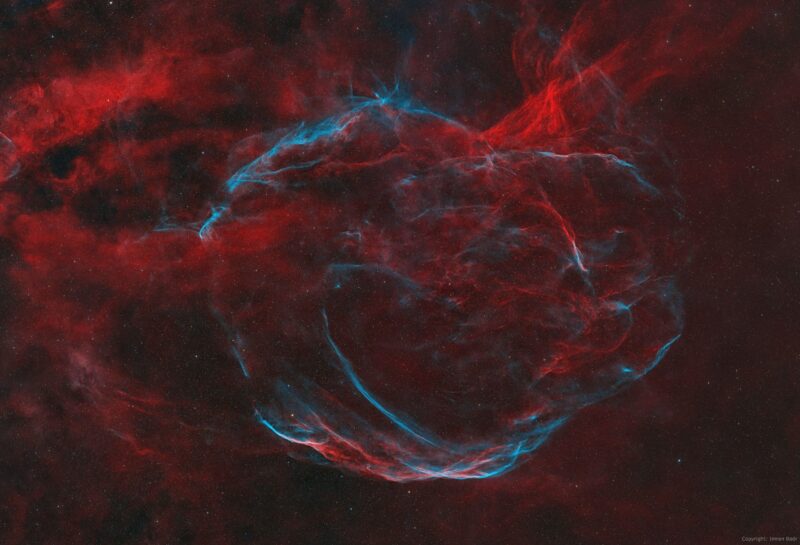
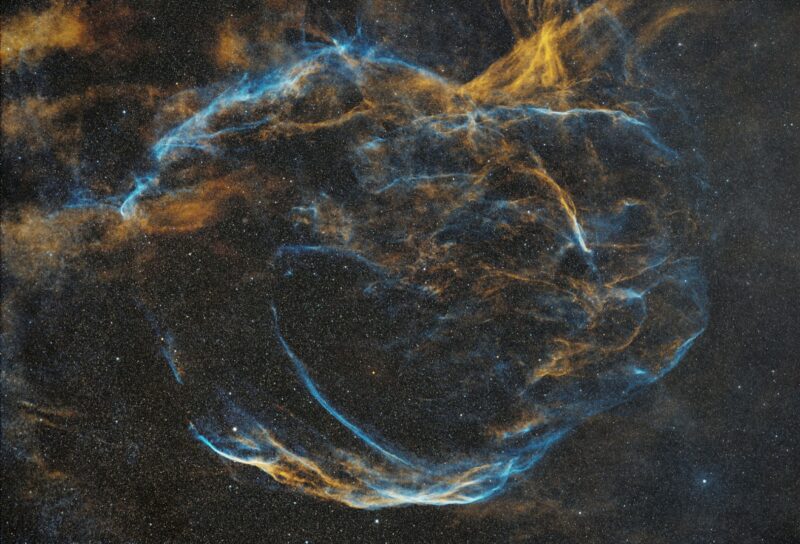
View at EarthSky Community Photos. | Imran Badr in San Jose, California, captured supernova remnant SNR G65.3+5.7 on September 1, 2025. Imran wrote: “It is a vast but very faint supernova remnant located in the constellation Cygnus. It has low surface brightness against a crowded star field. First identified in 1977 and spanning roughly 230 light-years in diameter, it’s around 27,500 years old. It rivals the Veil Nebula in apparent size but is far more difficult to observe due to its faintness. I captured around 169 hours of data across 4 panels from May to September 2025 from my backyard.” Thank you, Imran!View at EarthSky Community Photos. | Steven Bellavia in Livingston Manor, New York, captured supernova remnant SNR G65.3+5.7 on September 20, 2025. Steven wrote: “Supernova remnants form when a large star ends its life in a violent explosion. About 300 of these remnants are currently known in our galaxy.” Thank you, Steven!
A globular cluster
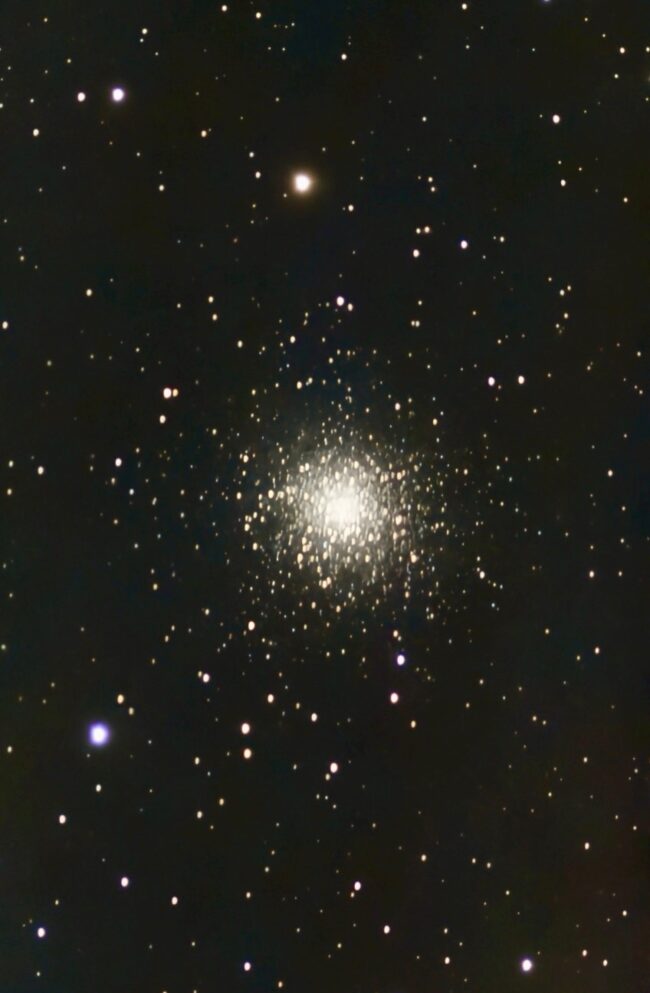
View at EarthSky Community Photos. | Stephen Montag in Livingston, New Jersey, captured Messier 13, in the constellation Hercules, on September 11, 2025. Stephen wrote: “The Great Hercules Cluster consists of hundreds of thousands of stars. It lies approximately 22,000 light-years from Earth. So the image is how it existed during our last glacial ice age, when vast sheets of ice covered much of North America.” Thank you, Stephen!
Bottom line: Enjoy this gallery of deep-sky photos for September 2025 from our EarthSky community. If you have a great photo to share, send it in, too. We love to see them!
View at EarthSky Community Photos. | Jeremy Likness in Newport, Oregon, captured the Orion Nebula on September 25, 2025. Jeremy wrote: “Shot maybe my most detailed version of Orion’s sword over the past 2 nights. This is the Great Orion Nebula (M42), De Mairan’s Nebula (M43) and the Running Man Nebula (NGC 1977).” Thank you, Jeremy! See more deep-sky photos from September 2025 below.
Stunning deep-sky photos from our community
The EarthSky community has many talented astrophotographers who capture stunning images of the deep sky. We gathered some of our favorite deep-sky photos we received in September 2025 for you to enjoy. Do you have some of your own images to share? You can submit them to us here. We love to see them!
Deep-sky photos of diffuse nebulae
View at EarthSky Community Photos. | Kartik Kota in Wales, United Kingdom, captured nebulae NGC 7822 and Sharpless 171 on September 5, 2025. Kartik wrote: “This nebula is a vast cosmic cloud and a star-forming region in Cepheus, about 3,000 light-years away. It’s where massive stars carve intricate shapes into the surrounding gas and dust. In my image, I tried to bring out both the fine filamentary detail of the ionized gases and the deep contrast between the dark nebula and the bright emission regions.” Thank you, Kartik!View at EarthSky Community Photos. | EarthSky’s own Marcy Curran in Cheyenne, Wyoming, captured the Lobster Claw and Bubble nebulae on September 18, 2025. Marcy wrote: “The Lobster Claw is an emission nebula located in the constellation Cassiopeia, approximately 11,050 light-years from Earth. Its intricate shape is illuminated by a young, massive star at its center. The Bubble Nebula is an emission nebula in Cassiopeia, created by the stellar wind of a massive star located about 7,100 light-years away. A few other items of interest are also labeled.” Thank you, Marcy!View at EarthSky Community Photos. | Andrew Stone in Cave Creek, Arizona, captured the Pacman Nebula in Cassiopeia on September 23, 2025. Andrew wrote: “This is my first image with over 14 hours of data.” Thank you, Andrew!View at EarthSky Community Photos. | Ernest Jacobs in Eden, New York, captured the Heart and Soul nebulae in Cassiopeia on September 8, 2025. Ernest wrote: “I think the Soul Nebula (also called the Embryo Nebula) looks like a stampeding buffalo when oriented this way. I may be biased as I live near Buffalo, New York.” Thank you, Ernest!
Dark nebulae
View at EarthSky Community Photos. | Egidio Vergani in Colonnata, Carrara, Italy, captured the E Nebula in Aquila on September 17, 2025. Egidio wrote: “The E Nebula is formed by 2 dark nebulae. Barnard 143 is the darker of the 2 nebulae. Its most visible part consists of 3 bars that form a sort of C-shape. Barnard 142 is located just south of B143. Dust covers thousands of stars, whose light makes the characteristic E-shape visible. It is approximately 2,000 light-years away from Earth.” Thank you, Egidio!
Deep-sky photos of planetary nebulae
View at EarthSky Community Photos. | Andy Dungan near Cotopaxi, Colorado, captured Messier 76, the Little Dumbbell Nebula in Perseus, on September 2, 2025. Andy wrote: “This is a relatively small object especially considering it is a Messier object. It is truly amazing what we can take pics of from earth!” Thank you, Andy!View at EarthSky Community Photos. | Stéphane Picard in Quispamsis, New Brunswick, Canada, captured the Dumbbell Nebula in Vulpecula on September 16, 2025. He wrote: “The Dumbbell Nebula is a planetary nebula caused by a dying star almost 10,000 years ago. It is ionized gas from the stars escaping the outer shell. M27 is about 1,350 light-years away and measures nearly 1.5 light-years across.” Thank you, Stéphane!
Supernovae remnants
View at EarthSky Community Photos. | Imran Badr in San Jose, California, captured supernova remnant SNR G65.3+5.7 on September 1, 2025. Imran wrote: “It is a vast but very faint supernova remnant located in the constellation Cygnus. It has low surface brightness against a crowded star field. First identified in 1977 and spanning roughly 230 light-years in diameter, it’s around 27,500 years old. It rivals the Veil Nebula in apparent size but is far more difficult to observe due to its faintness. I captured around 169 hours of data across 4 panels from May to September 2025 from my backyard.” Thank you, Imran!View at EarthSky Community Photos. | Steven Bellavia in Livingston Manor, New York, captured supernova remnant SNR G65.3+5.7 on September 20, 2025. Steven wrote: “Supernova remnants form when a large star ends its life in a violent explosion. About 300 of these remnants are currently known in our galaxy.” Thank you, Steven!
A globular cluster
View at EarthSky Community Photos. | Stephen Montag in Livingston, New Jersey, captured Messier 13, in the constellation Hercules, on September 11, 2025. Stephen wrote: “The Great Hercules Cluster consists of hundreds of thousands of stars. It lies approximately 22,000 light-years from Earth. So the image is how it existed during our last glacial ice age, when vast sheets of ice covered much of North America.” Thank you, Stephen!
Bottom line: Enjoy this gallery of deep-sky photos for September 2025 from our EarthSky community. If you have a great photo to share, send it in, too. We love to see them!




Aucun commentaire:
Enregistrer un commentaire