
Watch a live cam of hummingbirds visiting feeders. Right now, the fall hummingbird migration is in progress across North America. Read on for info on how you can help these weary travelers.
Fall hummingbird migration is happening now!
As summer continues her graceful exit, one of nature’s smallest long-distance travelers is already taking wing for warmer southern climates. The fall hummingbird migration is underway in North America. The mass movement is typically in swing by late August – though the males may make an earlier start – and it continues into late October and beyond.
During those usually temperate months, the skies over every U.S. state and Canadian province become a nectar-fueled highway for tiny bejeweled avians. And they’ll be making a lot of stops at colorful flowering plants and bird feeders along the way.
A long and tiring journey for these miniscule flyers
For some of these small wanderers, the journey will take them hundreds or thousands of miles from the wilds of Canada, south across the United States and finally into Mexico and Central America. A few of the most daring hummers will take a perilous nonstop flight across the Gulf of Mexico to reach their winter homes.
As reports from birdwatchers across the continent gathered by Hummingbird Central show, the small birds turn up almost everywhere in North America. While some locations have hummers all year, for most locations the stay is only seasonal.
According to research published in 2016, an individual ruby-throated hummingbird was recorded traveling 3,082 miles (4,960 km) during its fall migration. Ruby-throated hummers on average migrate around 1,400 miles (2,250 km) each way during their flight to better weather.
They perform most of that journey in short hops with lingering stopovers to eat. But when the birds reach the Gulf of Mexico, they must make the approximately 600-mile (1,000-km) water crossing in a single flight. Only a few of the ruby-throated hummers are brave or strong enough to try the route in autumn. The rest typically follow the Texas-Mexico coastline south around the Gulf.
Three avenues open for fall hummingbird migration
Besides the ruby-throated hummer, there are several other common hummingbird species. Most, but not all, of those species migrate with the seasons. In general, North America can be divided into three distinct migratory pathways.
Eastern States: Ruby-throated hummingbirds are found only east of the Rocky Mountains. They’re seen throughout that region, and for most of the eastern half of North America, the ruby-throated hummer is the only species commonly seen.
Middle States: However, the center of the continent, an area from about Central Texas west to the Rockies, is home to several species: the black-chinned, the rufous, the broad-tail, the Calliope and Allen’s hummingbirds. The Calliope’s range is somewhat northerly.
Western States: The area west of the Rocky Mountains is also home to a variety of hummingbirds. Anna’s hummingbirds are year-long residents that don’t migrate. Sharing their range are the Allen’s, the black-chinned, the Costa’s, the blue-throated, the rufous and the broad-tailed hummingbirds.
Humans can lend traveling hummers a helping hand
According to JourneyNorth.com, hummingbirds double their weight as they prepare for their long-distance journeys southward. To do that, they need abundant food sources. They also need habitat. Humans can provide both, says migration expert Julian Avery of Penn State:
Studies show that providing food has myriad effects on birds’ decisions, behaviors and reproduction. One significant finding is that winter bird feeding increases individual survival rates, can encourage birds to lay eggs earlier in the year, and can also improve nestling survival.
The most popular way of attracting hummers is using hummingbird feeders. HummingbirdCentral.com offers tips for placing them and a sugar-water recipe that mimics the calorie content of nectar. They also offer advice for avoiding pathogens and for keeping away unwanted visitors, like bees.
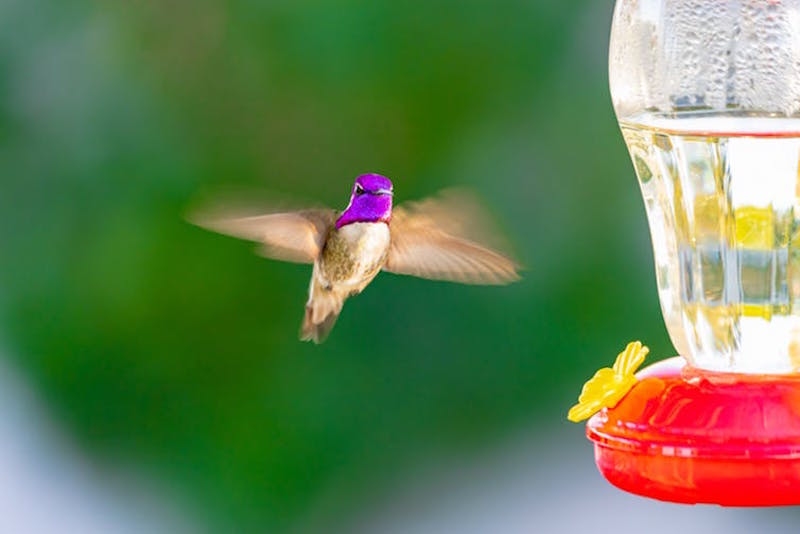
Native plant gardens boost success during fall hummingbird migration
The more ecologically minded might want to fill their yards and gardens with hummingbird-friendly plants. The right landscaping can make a yard attractive to hummers, but it depends on what region. The Missouri Prairie Association offers tips for the middle region of the country at GrowNative.org.
The California Native Plant Society has hummer-friendly garden advice for those west of the Rockies. Those living in the eastern half of the country will find appropriate hummingbird plants for the garden at Penn State’s Center for Pollinator Research.
In general, the tiny travelers are attracted to plants with red, orange and yellow flowers. Nectar is a prime source of calories for hummers. But they are also omnivores who consume any insect they can catch. Any plant that provides home for bugs will also provide shelter and food for hummingbirds.
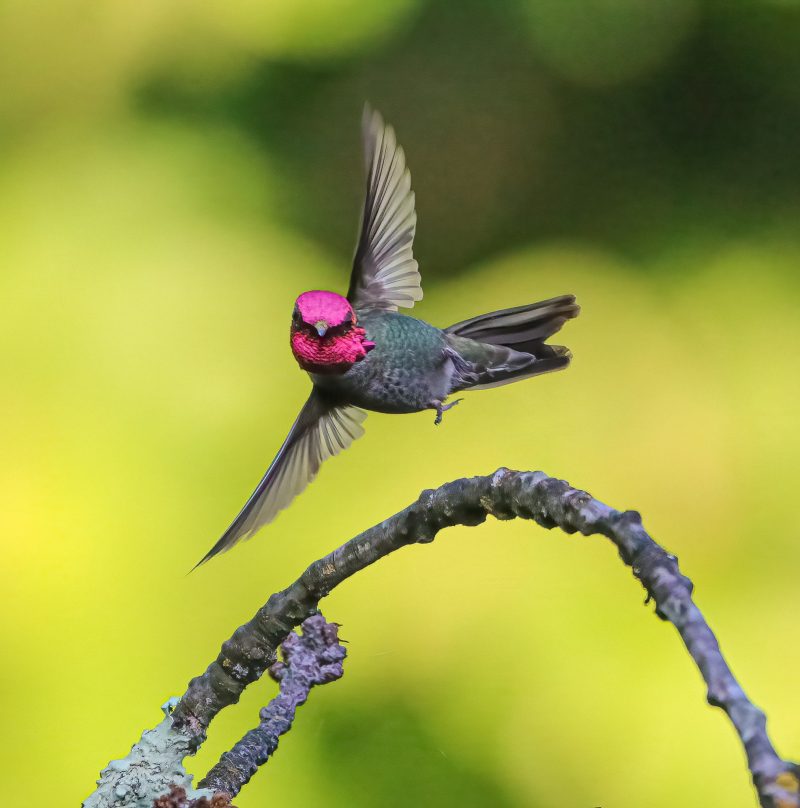
Tracking the mass movement for science!
There are some issues to consider when feeding wild birds. In an article from The Conversation, Avery discusses them in depth:
There is still much to learn about the risks and benefits of feeding birds, particularly through large integrated national citizen science networks like Project FeederWatch. But we now have enough information to promote healthy interactions that can inspire future generations to care about conservation.
In addition to using Project FeederWatch, seasonal birdwatchers can report their sightings to HummingbirdCentral.com or to JourneyNorth.org.
Bottom line: The fall hummingbird migration in North America typically lasts from August through October. You can spot the tiny birds in every U.S. state and Canadian province as they travel south.
Read more: Top tips for feeding wild birds
The post Fall hummingbird migration in progress across North America first appeared on EarthSky.
from EarthSky https://ift.tt/gbaqFmK
Watch a live cam of hummingbirds visiting feeders. Right now, the fall hummingbird migration is in progress across North America. Read on for info on how you can help these weary travelers.
Fall hummingbird migration is happening now!
As summer continues her graceful exit, one of nature’s smallest long-distance travelers is already taking wing for warmer southern climates. The fall hummingbird migration is underway in North America. The mass movement is typically in swing by late August – though the males may make an earlier start – and it continues into late October and beyond.
During those usually temperate months, the skies over every U.S. state and Canadian province become a nectar-fueled highway for tiny bejeweled avians. And they’ll be making a lot of stops at colorful flowering plants and bird feeders along the way.
A long and tiring journey for these miniscule flyers
For some of these small wanderers, the journey will take them hundreds or thousands of miles from the wilds of Canada, south across the United States and finally into Mexico and Central America. A few of the most daring hummers will take a perilous nonstop flight across the Gulf of Mexico to reach their winter homes.
As reports from birdwatchers across the continent gathered by Hummingbird Central show, the small birds turn up almost everywhere in North America. While some locations have hummers all year, for most locations the stay is only seasonal.
According to research published in 2016, an individual ruby-throated hummingbird was recorded traveling 3,082 miles (4,960 km) during its fall migration. Ruby-throated hummers on average migrate around 1,400 miles (2,250 km) each way during their flight to better weather.
They perform most of that journey in short hops with lingering stopovers to eat. But when the birds reach the Gulf of Mexico, they must make the approximately 600-mile (1,000-km) water crossing in a single flight. Only a few of the ruby-throated hummers are brave or strong enough to try the route in autumn. The rest typically follow the Texas-Mexico coastline south around the Gulf.
Three avenues open for fall hummingbird migration
Besides the ruby-throated hummer, there are several other common hummingbird species. Most, but not all, of those species migrate with the seasons. In general, North America can be divided into three distinct migratory pathways.
Eastern States: Ruby-throated hummingbirds are found only east of the Rocky Mountains. They’re seen throughout that region, and for most of the eastern half of North America, the ruby-throated hummer is the only species commonly seen.
Middle States: However, the center of the continent, an area from about Central Texas west to the Rockies, is home to several species: the black-chinned, the rufous, the broad-tail, the Calliope and Allen’s hummingbirds. The Calliope’s range is somewhat northerly.
Western States: The area west of the Rocky Mountains is also home to a variety of hummingbirds. Anna’s hummingbirds are year-long residents that don’t migrate. Sharing their range are the Allen’s, the black-chinned, the Costa’s, the blue-throated, the rufous and the broad-tailed hummingbirds.
Humans can lend traveling hummers a helping hand
According to JourneyNorth.com, hummingbirds double their weight as they prepare for their long-distance journeys southward. To do that, they need abundant food sources. They also need habitat. Humans can provide both, says migration expert Julian Avery of Penn State:
Studies show that providing food has myriad effects on birds’ decisions, behaviors and reproduction. One significant finding is that winter bird feeding increases individual survival rates, can encourage birds to lay eggs earlier in the year, and can also improve nestling survival.
The most popular way of attracting hummers is using hummingbird feeders. HummingbirdCentral.com offers tips for placing them and a sugar-water recipe that mimics the calorie content of nectar. They also offer advice for avoiding pathogens and for keeping away unwanted visitors, like bees.
Native plant gardens boost success during fall hummingbird migration
The more ecologically minded might want to fill their yards and gardens with hummingbird-friendly plants. The right landscaping can make a yard attractive to hummers, but it depends on what region. The Missouri Prairie Association offers tips for the middle region of the country at GrowNative.org.
The California Native Plant Society has hummer-friendly garden advice for those west of the Rockies. Those living in the eastern half of the country will find appropriate hummingbird plants for the garden at Penn State’s Center for Pollinator Research.
In general, the tiny travelers are attracted to plants with red, orange and yellow flowers. Nectar is a prime source of calories for hummers. But they are also omnivores who consume any insect they can catch. Any plant that provides home for bugs will also provide shelter and food for hummingbirds.
Tracking the mass movement for science!
There are some issues to consider when feeding wild birds. In an article from The Conversation, Avery discusses them in depth:
There is still much to learn about the risks and benefits of feeding birds, particularly through large integrated national citizen science networks like Project FeederWatch. But we now have enough information to promote healthy interactions that can inspire future generations to care about conservation.
In addition to using Project FeederWatch, seasonal birdwatchers can report their sightings to HummingbirdCentral.com or to JourneyNorth.org.
Bottom line: The fall hummingbird migration in North America typically lasts from August through October. You can spot the tiny birds in every U.S. state and Canadian province as they travel south.
Read more: Top tips for feeding wild birds
The post Fall hummingbird migration in progress across North America first appeared on EarthSky.
from EarthSky https://ift.tt/gbaqFmK

Aucun commentaire:
Enregistrer un commentaire