
Science matters. Wonder matters. You matter. Join our 2025 Donation Campaign today.
Vega shines brightly on May evenings
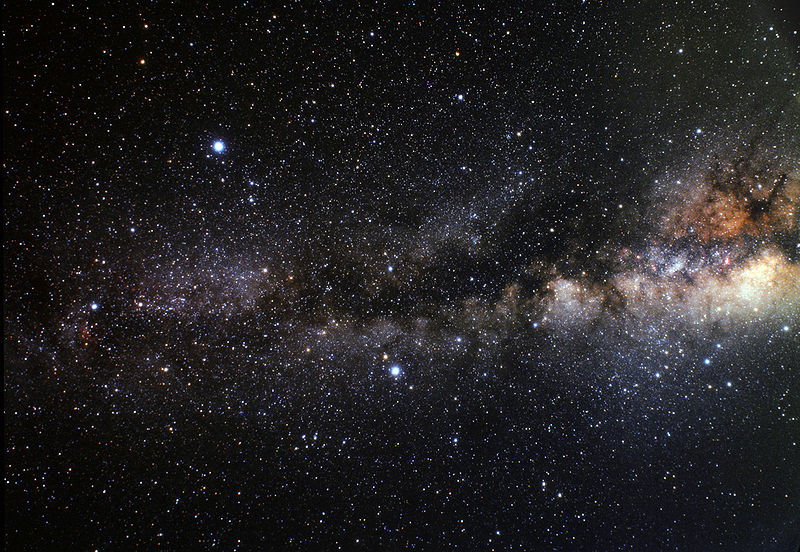
Look for Vega tonight. It’s the 5th brightest star in our sky. If you’re in the Northern Hemisphere, you’ll find beautiful, bluish Vega easily, simply by looking northeastward at mid-evening in May. Vega is so bright that you can see it on a moonlit night.
From far south in the Southern Hemisphere, you’ll see Vega until late at night in May. That’s because Vega is located so far north on the sky’s dome. Vega will reach its high point for the night around three to four hours after midnight, at which time people in the Southern Hemisphere can see Vega in their northern sky. As seen from mid-northern latitudes, Vega shines high overhead at this early morning hour.
Because it’s the brightest star in the constellation Lyra the Harp, Vega is sometimes called the Harp Star. Like all stars, Vega rises some four minutes earlier each day as Earth moves around the sun. So, Vega will adorn our evening sky throughout the summer and fall.
And it’s also part of the Summer Triangle. That’s an asterism made of the three bright stars Vega, Altair and Deneb.
Vega is visible most nights from mid-northern latitudes
Although Vega is considered a late spring or summer star, it’s so far north on the sky’s dome that – from mid-latitudes in the Northern Hemisphere – you can find it at some time during the night, nearly every night of the year.
Observers in the Northern Hemisphere typically begin noticing Vega in the evening around May, when this star comes into view in the northeast in mid-evening. Throughout northern summer, Vega shines brightly in the east in the evening. It’s high overhead on northern autumn evenings, and in the northwest by December evenings.
Enjoying EarthSky so far? Sign up for our free daily newsletter today!
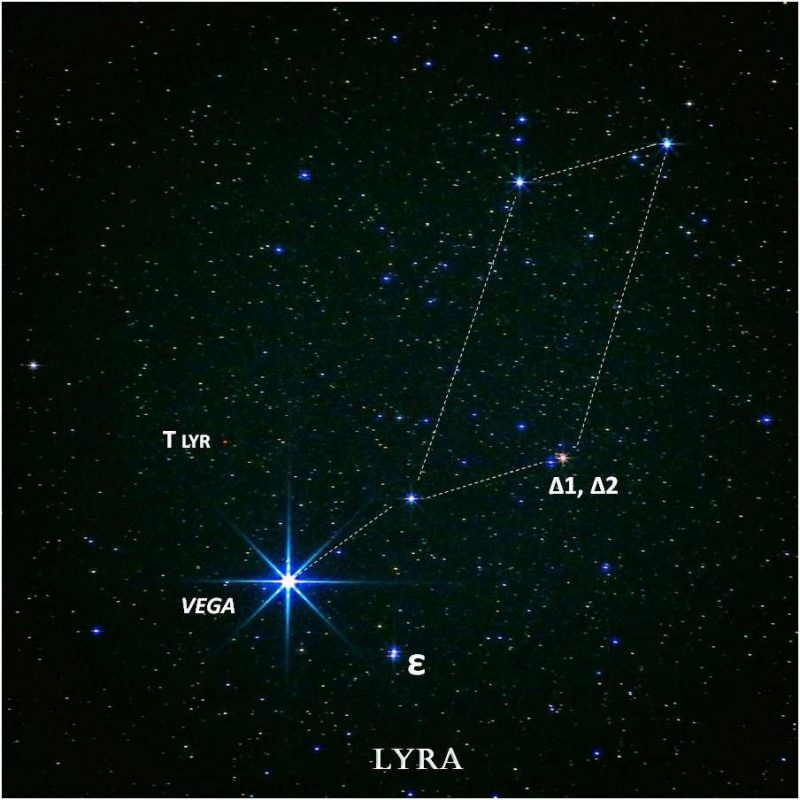
Bottom line: If you’re in the Northern Hemisphere, Vega is easy to identify in its constellation Lyra at this time of year. Just look northeast in the evening hours for a bright, bluish star above the northeastern horizon.
The post Vega is a bright bluish star on May evenings first appeared on EarthSky.
from EarthSky https://ift.tt/5I67Xwz
Science matters. Wonder matters. You matter. Join our 2025 Donation Campaign today.
Vega shines brightly on May evenings
Look for Vega tonight. It’s the 5th brightest star in our sky. If you’re in the Northern Hemisphere, you’ll find beautiful, bluish Vega easily, simply by looking northeastward at mid-evening in May. Vega is so bright that you can see it on a moonlit night.
From far south in the Southern Hemisphere, you’ll see Vega until late at night in May. That’s because Vega is located so far north on the sky’s dome. Vega will reach its high point for the night around three to four hours after midnight, at which time people in the Southern Hemisphere can see Vega in their northern sky. As seen from mid-northern latitudes, Vega shines high overhead at this early morning hour.
Because it’s the brightest star in the constellation Lyra the Harp, Vega is sometimes called the Harp Star. Like all stars, Vega rises some four minutes earlier each day as Earth moves around the sun. So, Vega will adorn our evening sky throughout the summer and fall.
And it’s also part of the Summer Triangle. That’s an asterism made of the three bright stars Vega, Altair and Deneb.
Vega is visible most nights from mid-northern latitudes
Although Vega is considered a late spring or summer star, it’s so far north on the sky’s dome that – from mid-latitudes in the Northern Hemisphere – you can find it at some time during the night, nearly every night of the year.
Observers in the Northern Hemisphere typically begin noticing Vega in the evening around May, when this star comes into view in the northeast in mid-evening. Throughout northern summer, Vega shines brightly in the east in the evening. It’s high overhead on northern autumn evenings, and in the northwest by December evenings.
Enjoying EarthSky so far? Sign up for our free daily newsletter today!
Bottom line: If you’re in the Northern Hemisphere, Vega is easy to identify in its constellation Lyra at this time of year. Just look northeast in the evening hours for a bright, bluish star above the northeastern horizon.
The post Vega is a bright bluish star on May evenings first appeared on EarthSky.
from EarthSky https://ift.tt/5I67Xwz

Aucun commentaire:
Enregistrer un commentaire