
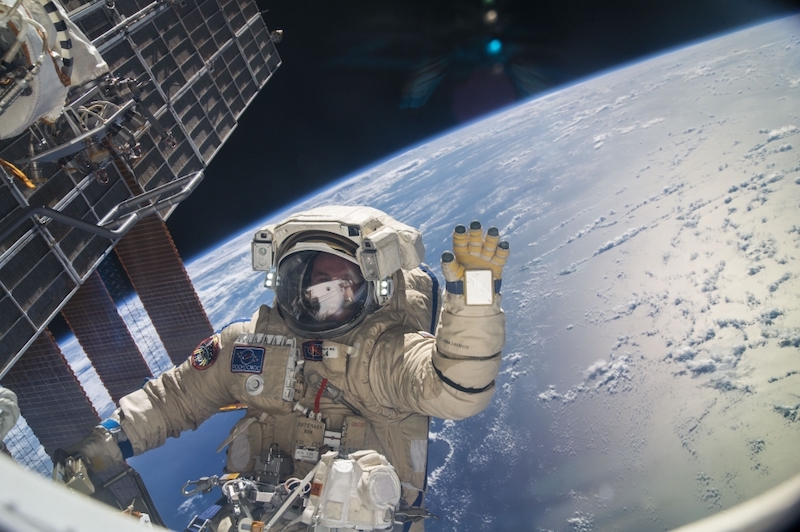
Our constant human presence in space hits 25 years
In 2025, we celebrate the 25-year mark of humans inhabiting space nonstop. The NASA History Office said:
Anybody born after October 30, 2000, has never known a day without a human presence in space.
On October 31, 2000, the first crew launched to the International Space Station. For a quarter of a century, at least a few humans have been in space every single day. How did we get here? And what comes next?

First people in space
The space race between the U.S. and Soviet Union began in the 1950s with the launch of satellites, the development of rockets and even animal missions to space. But the first human to go to space was cosmonaut Yuri Gagarin. On April 12, 1961, he orbited Earth one time, which lasted 108 minutes. The second person in space was Alan Shepard, rocketing aboard the Mercury spacecraft Freedom 7 on May 5, 1961, for a 15-minute suborbital flight.
It wasn’t until the next year, on February 20, 1962, that the first American orbited Earth. That was John Glenn, and he circled Earth three times. Finally, the first woman in space was cosmonaut Valentina Tereshkova in 1963. She orbited Earth 48 times for nearly three days.

Humans on the moon
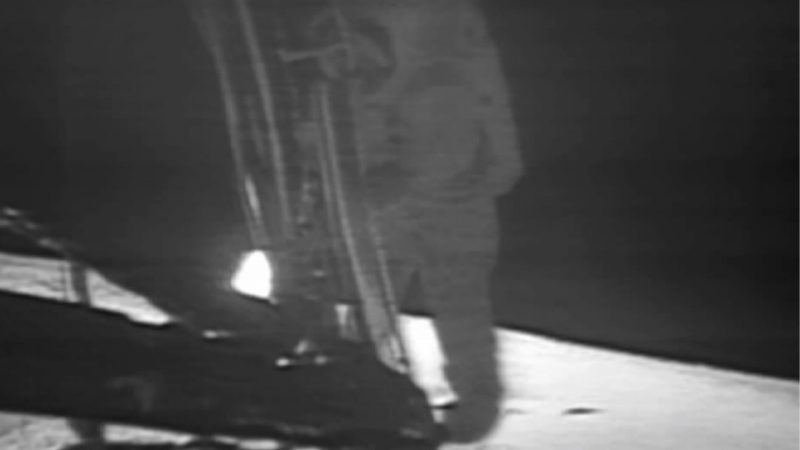
The first person to step foot on the moon was Neil Armstrong on July 20, 1969. He was followed by 11 more people who all walked on the moon between 1969 and 1972. But, while those who were born after October 30, 2000, have never had a day without a human in space, those born after December 14, 1972, have never had a human on the moon in their lifetime.
Our human presence in space aboard space stations
Before the International Space Station began its continuous occupation in 2000, we had the Mir space station. Mir began operations under the Soviet Union back in 1986. Later – after the fall of the Soviet Union – the Russian Federation operated it until its fiery end in the South Pacific in 2001. While the overlap of the International Space Station occupation in 2000 and the end of Mir would suggest our continuous human presence in space is longer than 25 years, the Mir space station had some gaps in occupancy. Cosmonauts were on Mir for 12 1/2 years of its 15-year lifespan.
But Mir and the ISS are not the only space stations to have orbited Earth. Currently, if you see a bright light slowly traversing the sky, there’s a chance it could be China’s space station, Tiangong. Tiangong began orbiting Earth in 2021. It should have a lifespan of 10 to 15 years. And, if you want to see it for yourself when it passes overhead, visit Heavens-above.com to find the next pass for your area.

The end of the space station
NASA does not plan to leave the space station in orbit forever. Its lifetime is limited by primary structures – modules, radiators and trusses – that can’t be repaired or replaced. At the moment, NASA is prepared to bring the space station down in 2031. It would be guided to a fiery demise, as it deorbits through Earth’s atmosphere. The goal would be to place it in the Pacific Ocean near what’s called Point Nemo, the point in Earth’s oceans farthest from land.
But even then, it doesn’t mean our continuous habitation of space is over. Tiangong will still be orbiting Earth. Plus, multiple other space stations are in the works through both private and government groups. For example, the lunar Gateway is NASA’s plan for the first space station orbiting the moon. And of course there are plans to return to the moon with Artemis, along with talk of eventually reaching Mars. So it is likely that our presence in space will continue into the foreseeable future.
Bottom line: In 2025, we celebrate the 25-year anniversary of our constant human presence in space. Ever since the first crew launched to the International Space Station in 2000, at least a few humans have been in space every day.
Read more: Are alien microbes hitching a ride on the International Space Station?
The post Our constant human presence in space nears 25 years first appeared on EarthSky.
from EarthSky https://ift.tt/NBh4JAm
Our constant human presence in space hits 25 years
In 2025, we celebrate the 25-year mark of humans inhabiting space nonstop. The NASA History Office said:
Anybody born after October 30, 2000, has never known a day without a human presence in space.
On October 31, 2000, the first crew launched to the International Space Station. For a quarter of a century, at least a few humans have been in space every single day. How did we get here? And what comes next?
First people in space
The space race between the U.S. and Soviet Union began in the 1950s with the launch of satellites, the development of rockets and even animal missions to space. But the first human to go to space was cosmonaut Yuri Gagarin. On April 12, 1961, he orbited Earth one time, which lasted 108 minutes. The second person in space was Alan Shepard, rocketing aboard the Mercury spacecraft Freedom 7 on May 5, 1961, for a 15-minute suborbital flight.
It wasn’t until the next year, on February 20, 1962, that the first American orbited Earth. That was John Glenn, and he circled Earth three times. Finally, the first woman in space was cosmonaut Valentina Tereshkova in 1963. She orbited Earth 48 times for nearly three days.
Humans on the moon
The first person to step foot on the moon was Neil Armstrong on July 20, 1969. He was followed by 11 more people who all walked on the moon between 1969 and 1972. But, while those who were born after October 30, 2000, have never had a day without a human in space, those born after December 14, 1972, have never had a human on the moon in their lifetime.
Our human presence in space aboard space stations
Before the International Space Station began its continuous occupation in 2000, we had the Mir space station. Mir began operations under the Soviet Union back in 1986. Later – after the fall of the Soviet Union – the Russian Federation operated it until its fiery end in the South Pacific in 2001. While the overlap of the International Space Station occupation in 2000 and the end of Mir would suggest our continuous human presence in space is longer than 25 years, the Mir space station had some gaps in occupancy. Cosmonauts were on Mir for 12 1/2 years of its 15-year lifespan.
But Mir and the ISS are not the only space stations to have orbited Earth. Currently, if you see a bright light slowly traversing the sky, there’s a chance it could be China’s space station, Tiangong. Tiangong began orbiting Earth in 2021. It should have a lifespan of 10 to 15 years. And, if you want to see it for yourself when it passes overhead, visit Heavens-above.com to find the next pass for your area.
The end of the space station
NASA does not plan to leave the space station in orbit forever. Its lifetime is limited by primary structures – modules, radiators and trusses – that can’t be repaired or replaced. At the moment, NASA is prepared to bring the space station down in 2031. It would be guided to a fiery demise, as it deorbits through Earth’s atmosphere. The goal would be to place it in the Pacific Ocean near what’s called Point Nemo, the point in Earth’s oceans farthest from land.
But even then, it doesn’t mean our continuous habitation of space is over. Tiangong will still be orbiting Earth. Plus, multiple other space stations are in the works through both private and government groups. For example, the lunar Gateway is NASA’s plan for the first space station orbiting the moon. And of course there are plans to return to the moon with Artemis, along with talk of eventually reaching Mars. So it is likely that our presence in space will continue into the foreseeable future.
Bottom line: In 2025, we celebrate the 25-year anniversary of our constant human presence in space. Ever since the first crew launched to the International Space Station in 2000, at least a few humans have been in space every day.
Read more: Are alien microbes hitching a ride on the International Space Station?
The post Our constant human presence in space nears 25 years first appeared on EarthSky.
from EarthSky https://ift.tt/NBh4JAm

Aucun commentaire:
Enregistrer un commentaire