Astro quiz: How much do you know about the night sky?
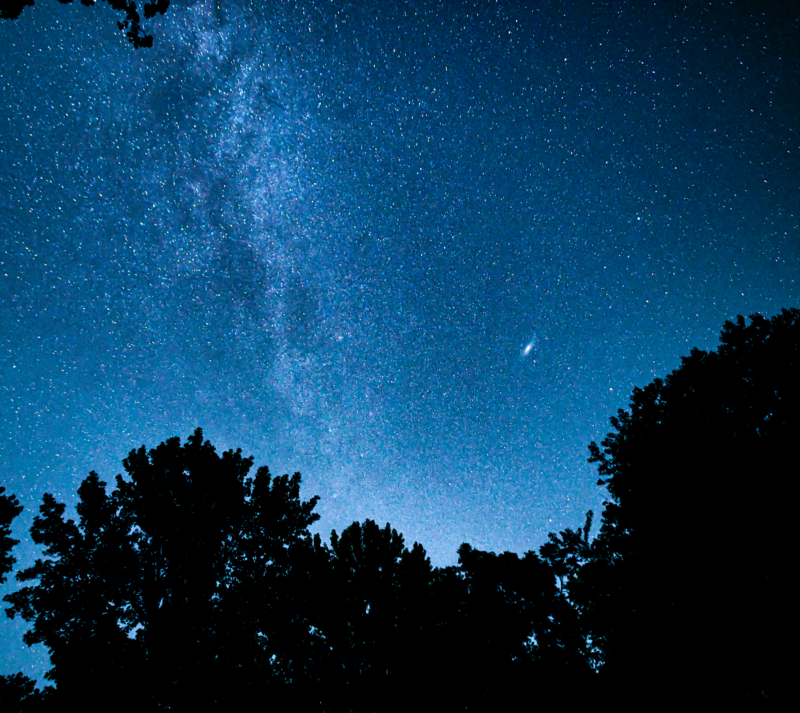
View at EarthSky Community Photos. | Chuck Reinhart in Vincennes, Indiana, captured this view of the sky on September 13, 2023. Thanks, Chuck! There are 2 galaxies in this image. Can you name them? Read the rest of the astro quiz below, and find the answers at the bottom.
Play the astro quiz!
How much do you know about the night sky? Test yourself with this quick quiz. Some of the answers may be easy, while others might leave you in the dark. If you get stuck, the answers are at the bottom. Have fun!
Question 1
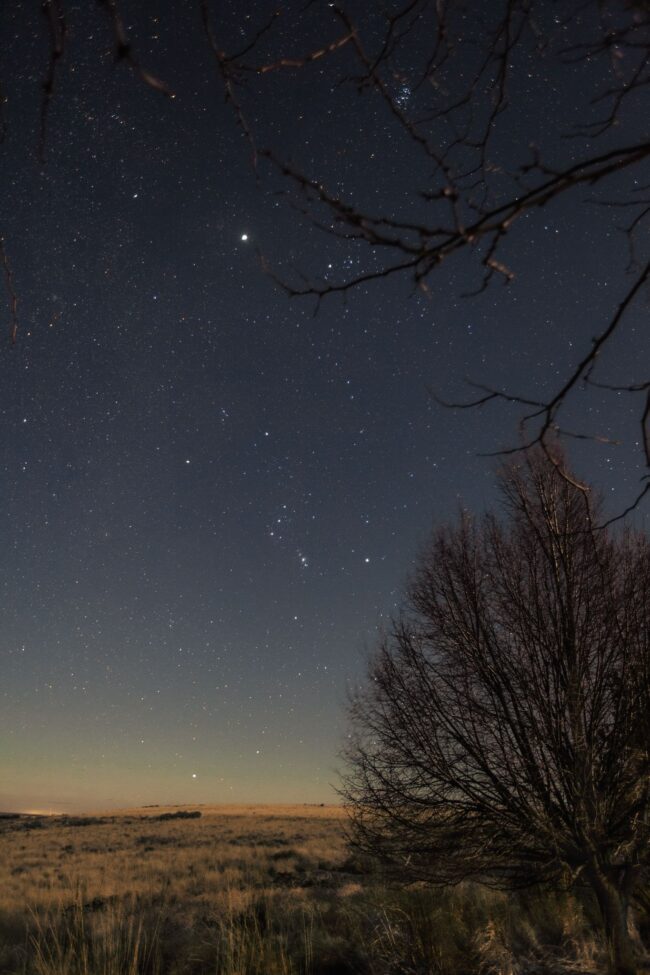
View at EarthSky Community Photos. | Susan Jensen in Odessa, Washington, captured this starry scene on December 8, 2024. Thanks, Susan! Take a look at the stars near the middle of the image. Can you name this famous constellation?
Questions 2
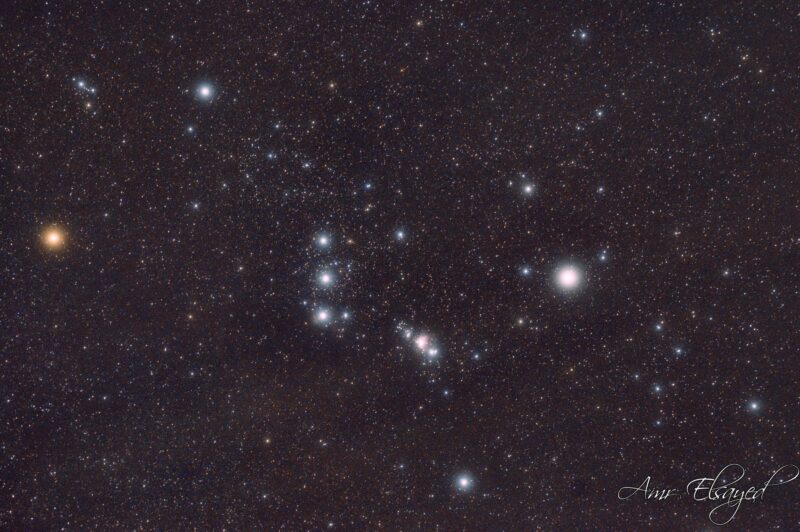
View at EarthSky Community Photos. | Now let’s see just how well you know the constellation that’s also in the image above. Amr Elsayed in Fayoum, Egypt, captured this image on December 6, 2024. Thanks, Amr! A) What’s the nickname for the 3 bright stars in a line? B) What’s the reddish-orangish star at left called? C) What’s the name of the large-looking star at center right? And finally, you can see a second, smaller row of 3 stars near the center that represents a sword, and the middle star appears as a pinkish glow. D) What’s this object’s name?
Question 3
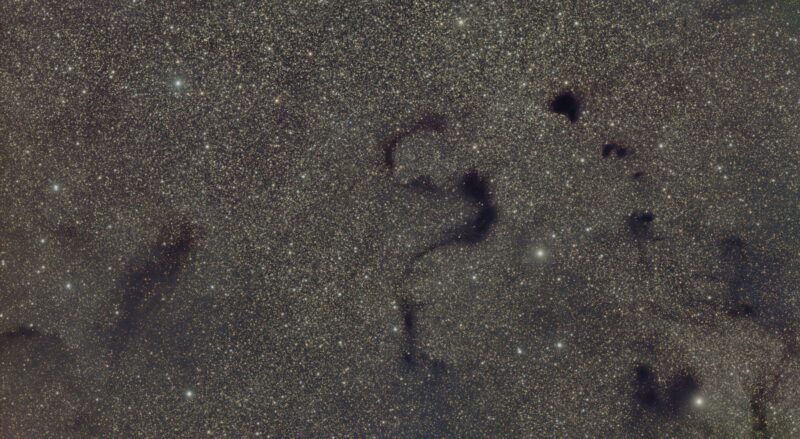
View at EarthSky Community Photos. | Thomas Sorensen took this image from Tremonton, Utah, on March 25, 2025. Thanks, Thomas! This image shows some Milky Way stars’ light being blocked by a thick collection of gas and dust shaped like a snake or letter S. What is the name for objects like this?
Question 4
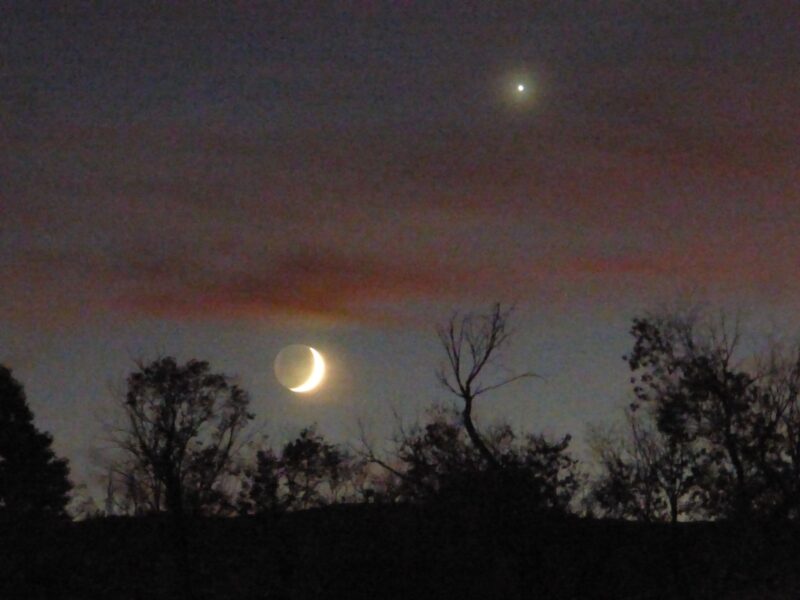
View at EarthSky Community Photos. | Amheric Hall in Reno, Nevada, captured the moon and a bright planet on November 4, 2024. Thanks, Amheric! This planet is brighter than all other planets in Earth’s sky. In fact, it’s so bright you can even spot it in the daytime. What planet is it?
Question 5
View at EarthSky Community Photos. | Jeff Grubbs in Elgin, Arizona, captured these star trails on May 22, 2025. Thanks, Jeff! Over the course of a night, the stars in the Northern Hemisphere’s sky all seem to rotate about one star in the constellation Ursa Minor. What’s the name of the star?
Question 6
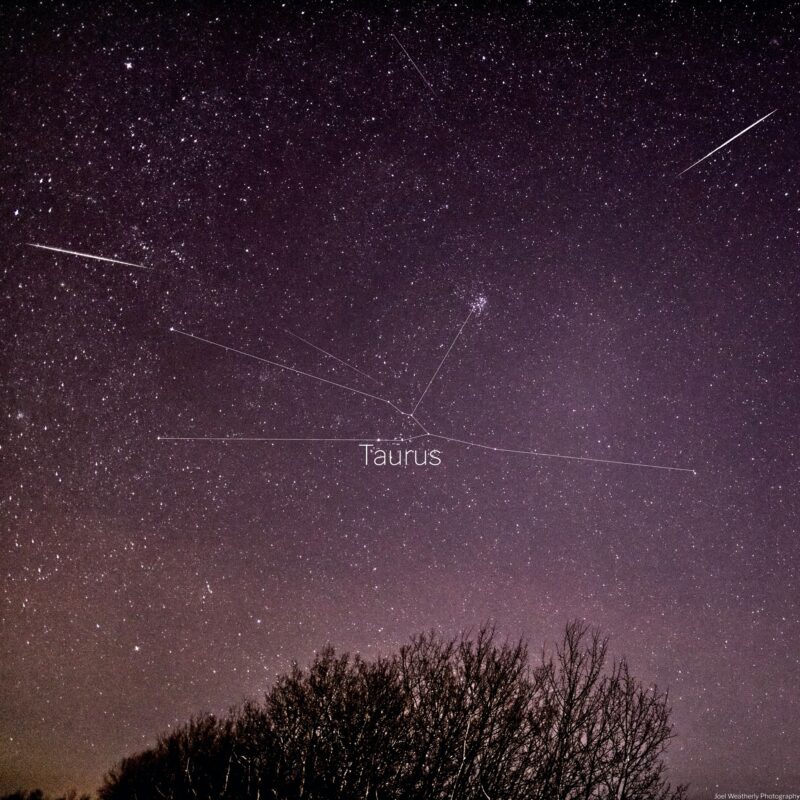
View at EarthSky Community Photos. | Joel Weatherly in Edmonton, Canada, captured the constellation Taurus the Bull on November 11, 2020, during the Northern Taurid meteor shower. Thanks, Joel! Taurus is home to 2 famous star clusters. One is the V-shape at the center of this image, and the other is the misty patch above it. Can you name these 2 clusters?
Question 7
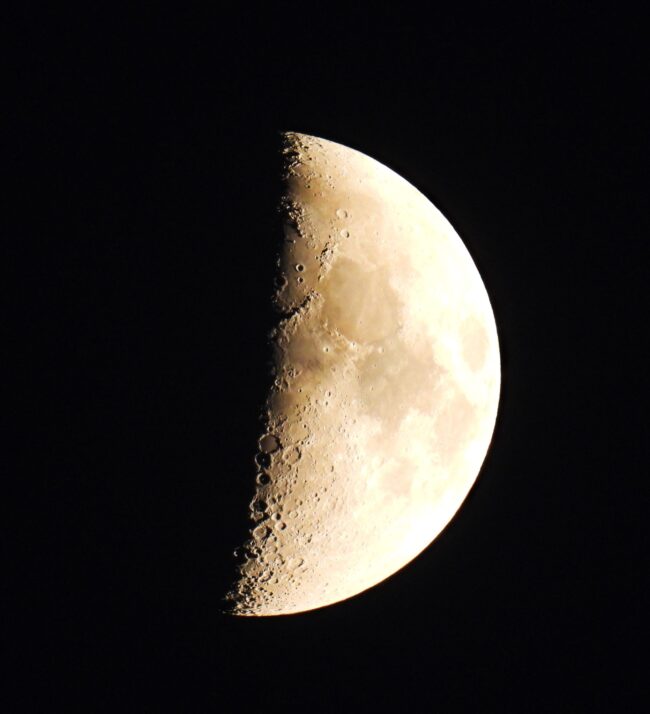
View at EarthSky Community Photos. | Nanci McCraine in Dryden, New York, captured the first quarter moon on September 10, 2024. Thanks, Nanci! The line that divides day and night on the moon is the best place to see lunar craters and mountains in graphic relief. What’s the name of that line?
Question 8
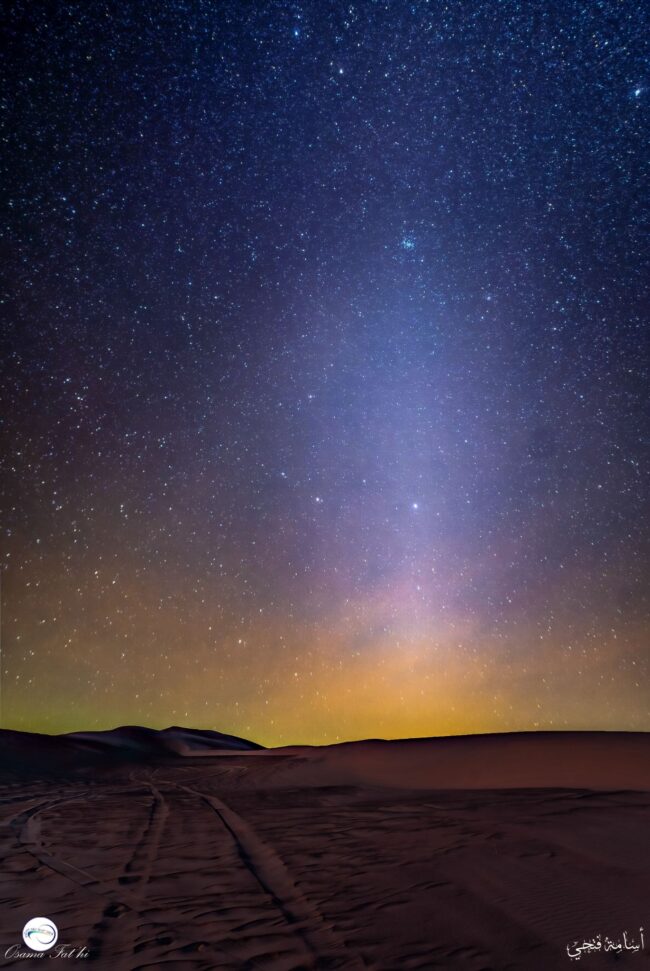
View at EarthSky Community Photos. | Osama Fathi in the Western Desert of Egypt captured this image on October 7, 2022. Thanks, Osama! Astronomers once thought that pyramidal cone of light extending upward from the horizon is dust leftover from the formation of our solar system. Now they think it’s likely dust that’s escaped from storms on Mars. You can best see it in the spring and fall. What is its name?
Question 9
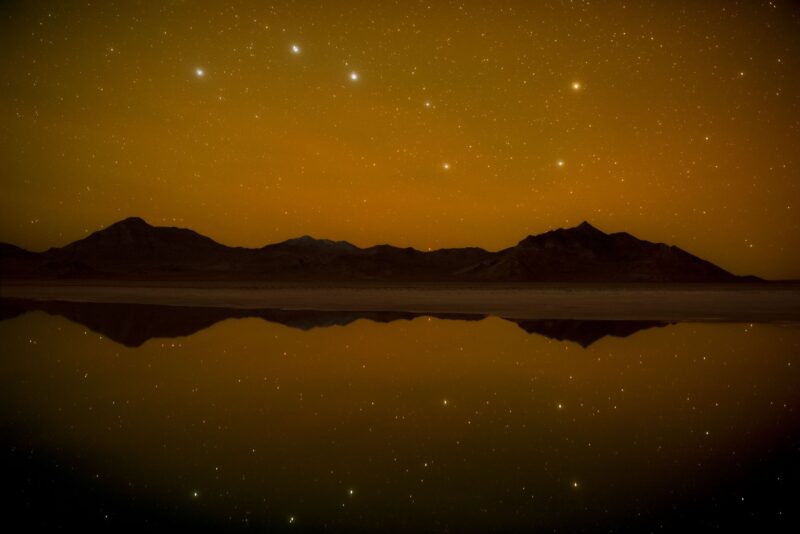
View at EarthSky Community Photos. | Marc Toso captured this image from the Bonneville Salt Flats in Utah on October 28, 2021. Thanks, Marc! Most people can identify these stars as the Big Dipper. But these stars are just a portion of a larger constellation. What’s the name of the constellation that contains the stars of the Big Dipper?
Question 10
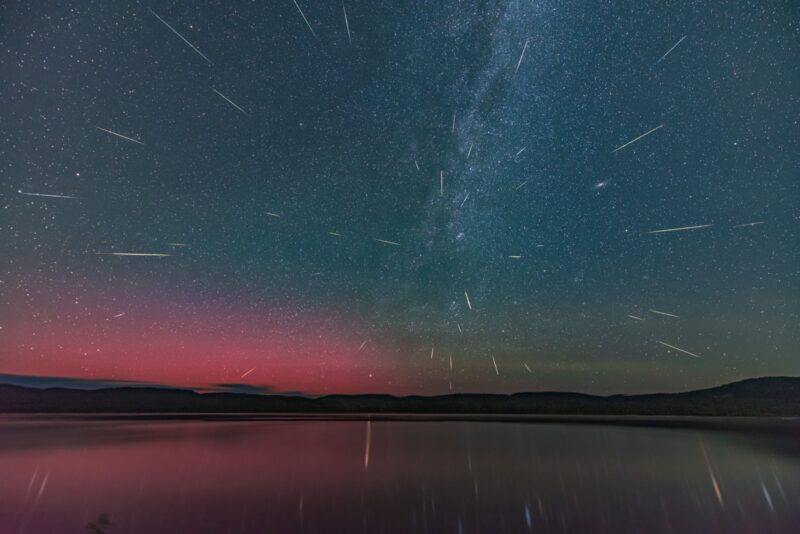
View at EarthSky Community Photos. | David Cox from Deep River, Ontario, Canada, shared this composite image of Perseid meteors and the aurora. Thanks, David! If you trace the meteors from a meteor shower backward, they all seem to come from one location. What is that point in the sky called?
Astro quiz answers
Top image: The large, starry, cloudy swath is our Milky Way galaxy. The bright, oval fuzzy patch at the right is our nearest large spiral galaxy, Andromeda.
View at EarthSky Community Photos. | Chuck Reinhart in Vincennes, Indiana, captured this view of the sky on September 13, 2023. Thanks, Chuck! There are 2 galaxies in this image. Can you name them? Read the rest of the astro quiz below, and find the answers at the bottom.
Play the astro quiz!
How much do you know about the night sky? Test yourself with this quick quiz. Some of the answers may be easy, while others might leave you in the dark. If you get stuck, the answers are at the bottom. Have fun!
Question 1
View at EarthSky Community Photos. | Susan Jensen in Odessa, Washington, captured this starry scene on December 8, 2024. Thanks, Susan! Take a look at the stars near the middle of the image. Can you name this famous constellation?
Questions 2
View at EarthSky Community Photos. | Now let’s see just how well you know the constellation that’s also in the image above. Amr Elsayed in Fayoum, Egypt, captured this image on December 6, 2024. Thanks, Amr! A) What’s the nickname for the 3 bright stars in a line? B) What’s the reddish-orangish star at left called? C) What’s the name of the large-looking star at center right? And finally, you can see a second, smaller row of 3 stars near the center that represents a sword, and the middle star appears as a pinkish glow. D) What’s this object’s name?
Question 3
View at EarthSky Community Photos. | Thomas Sorensen took this image from Tremonton, Utah, on March 25, 2025. Thanks, Thomas! This image shows some Milky Way stars’ light being blocked by a thick collection of gas and dust shaped like a snake or letter S. What is the name for objects like this?
Question 4
View at EarthSky Community Photos. | Amheric Hall in Reno, Nevada, captured the moon and a bright planet on November 4, 2024. Thanks, Amheric! This planet is brighter than all other planets in Earth’s sky. In fact, it’s so bright you can even spot it in the daytime. What planet is it?
Question 5
View at EarthSky Community Photos. | Jeff Grubbs in Elgin, Arizona, captured these star trails on May 22, 2025. Thanks, Jeff! Over the course of a night, the stars in the Northern Hemisphere’s sky all seem to rotate about one star in the constellation Ursa Minor. What’s the name of the star?
Question 6
View at EarthSky Community Photos. | Joel Weatherly in Edmonton, Canada, captured the constellation Taurus the Bull on November 11, 2020, during the Northern Taurid meteor shower. Thanks, Joel! Taurus is home to 2 famous star clusters. One is the V-shape at the center of this image, and the other is the misty patch above it. Can you name these 2 clusters?
Question 7
View at EarthSky Community Photos. | Nanci McCraine in Dryden, New York, captured the first quarter moon on September 10, 2024. Thanks, Nanci! The line that divides day and night on the moon is the best place to see lunar craters and mountains in graphic relief. What’s the name of that line?
Question 8
View at EarthSky Community Photos. | Osama Fathi in the Western Desert of Egypt captured this image on October 7, 2022. Thanks, Osama! Astronomers once thought that pyramidal cone of light extending upward from the horizon is dust leftover from the formation of our solar system. Now they think it’s likely dust that’s escaped from storms on Mars. You can best see it in the spring and fall. What is its name?
Question 9
View at EarthSky Community Photos. | Marc Toso captured this image from the Bonneville Salt Flats in Utah on October 28, 2021. Thanks, Marc! Most people can identify these stars as the Big Dipper. But these stars are just a portion of a larger constellation. What’s the name of the constellation that contains the stars of the Big Dipper?
Question 10
View at EarthSky Community Photos. | David Cox from Deep River, Ontario, Canada, shared this composite image of Perseid meteors and the aurora. Thanks, David! If you trace the meteors from a meteor shower backward, they all seem to come from one location. What is that point in the sky called?
Astro quiz answers
Top image: The large, starry, cloudy swath is our Milky Way galaxy. The bright, oval fuzzy patch at the right is our nearest large spiral galaxy, Andromeda.



Aucun commentaire:
Enregistrer un commentaire